Digital printing is revolutionizing the manufacturing sector for global buyers. Many manufacturers are eager to explore what are the benefits of digital printing in manufacturing. This technology offers numerous advantages that enhance production processes and improve end-product quality.
For instance, digital printing allows for short runs without significant setup costs. Buyers can order customized products swiftly. This flexibility helps manufacturers respond to market demands quickly. Additionally, digital printing minimizes waste, as only the required amount of materials is used. The precision of this technology can significantly reduce errors during production.
However, challenges persist. Not all manufacturers have adopted this technology. There are concerns about initial investment costs and training staff. Despite these obstacles, the benefits of digital printing in manufacturing are compelling. It is essential for industry leaders to evaluate these aspects carefully. Embracing this technology could lead to a competitive edge in an ever-changing market.
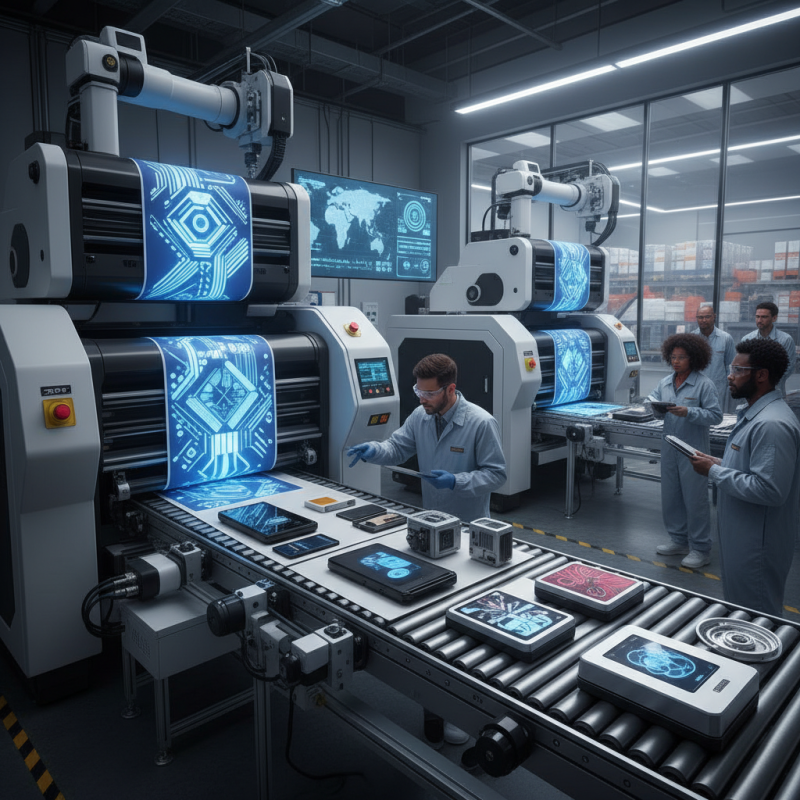
Digital printing in manufacturing offers significant advantages for global buyers. One key benefit is
customization.
It allows companies to create unique products tailored to specific market needs. With digital printing,
manufacturers can produce small batches without high setup costs. This flexibility helps in quickly
adapting to changing consumer preferences.
Another important aspect is speed. Digital printing
reduces lead times dramatically. Products can go from design to production in days,
not weeks. This agility helps businesses respond rapidly to trends, gaining a competitive edge. However,
the quality of digital prints can vary based on equipment and materials, so it’s essential to research
prior to implementation.
Tips: Focus on selecting reliable suppliers and
invest in quality control. Regularly review print samples to ensure consistency. Experiment with different
materials to find what best meets your needs. Understanding the nuances of digital printing can enhance
your manufacturing processes significantly. Balancing speed and quality can be challenging, but it’s
crucial for long-term success.
In the realm of manufacturing, digital printing offers substantial cost efficiency compared to traditional printing methods. One significant advantage is the reduction in setup costs. With digital processes, the need for extensive printing plates and manual adjustments is eliminated. This can lead to lower production costs, particularly for small orders. Additionally, digital printing requires fewer raw materials, reducing waste and saving money.
Tips: Consider evaluating your project needs. If your orders are small or variable, digital printing is a smart choice. Carefully assess your budget and production timeline.
Another cost-saving aspect is the speed of production. Digital printers operate without the delays often seen in traditional printing. Faster turnaround times enable manufacturers to respond quickly to market demands. This agility not only improves cash flow but also enhances customer satisfaction. However, it is essential to remember that while digital printing reduces initial costs, the long-term value still depends on several factors.
Tips: Research the best digital press for your needs. Investing in quality equipment can yield better results. Always plan ahead for your projects to avoid unexpected expenses.
This chart illustrates the benefits of digital printing in manufacturing for global buyers, showcasing key factors such as cost efficiency, speed, quality, flexibility, and waste reduction, each measured on a scale of 0 to 100%.
Digital printing is revolutionizing manufacturing, particularly for global buyers. One of its key advantages is enhanced customization. Buyers can now receive products tailored specifically to their needs. According to a recent study by Smithers Pira, the digital printing market is projected to grow by more than 7% annually, highlighting its increasing relevance.
Customization options are extensive. Companies can produce small batch runs without significant cost increases. This flexibility encourages innovation and fosters unique designs. Buyers can quickly adapt their orders as market demands shift. Additionally, testimonials from industry leaders indicate that digital printing speeds up the design-to-production process. However, this rapid change can lead to supply chain complexities. Manufacturers must balance speed with quality and consistency.
Data also suggests that 29% of companies that utilize digital printing report significant increases in customer satisfaction due to personalized products. Yet, reliance on technology can lead to challenges in workforce training. Companies should ensure their staff is equipped to handle advanced digital equipment effectively. Digital printing's potential is vast, but businesses must navigate these challenges to fully leverage its benefits.
| Benefit | Description | Impact on Global Buyers |
|---|---|---|
| Enhanced Customization | Provides the ability to produce unique, personalized products according to buyer specifications. | Increases buyer satisfaction and engagement through tailor-made solutions. |
| Reduced Lead Times | Allows for quicker production of custom items without lengthy setup times. | Enables faster market entry and responsiveness to trends for global buyers. |
| Lower Minimum Order Quantities | Facilitates small-batch production without excessive costs. | Allows buyers to test new products or markets without large investments. |
| Cost Efficiency | Reduces waste and diminishes the need for inventory storage. | Enables global buyers to optimize budget allocation and reduce excess stock. |
| Sustainability | Utilizes eco-friendly inks and processes while minimizing waste generation. | Attracts environmentally conscious buyers looking for sustainable options. |
| Advanced Technology | Incorporates cutting-edge printing technologies for high-quality outputs. | Delivers superior products, enhancing brand reputation among global customers. |
Digital printing has transformed manufacturing, particularly for global buyers. This technology demonstrates remarkable speed and flexibility, catering to rapid market demands. A recent report from Smithers Pira reveals that digital printing is expected to grow at a compound annual growth rate of 13% until 2027. These figures highlight the increasing reliance on digital solutions to meet immediate customer needs.
With digital printing, manufacturers can produce customized products at an unprecedented pace. For instance, on-demand printing allows for small runs of products without long setup times. Data indicates that lead times can shrink from weeks to just days. This capability enables brands to react swiftly to market trends and consumer preferences. However, embracing this technology also presents challenges. Many manufacturers struggle with quality consistency, and investments in new equipment can be daunting.
Flexibility is another key benefit. Digital printing permits modifications without extensive retooling. A survey by the International Data Corporation found that 70% of manufacturers value this flexibility when adapting to consumer feedback. Yet, the gap between innovating and managing production costs remains a concern. As global buyers continue to place orders at a rapid pace, the industry must also address the growing need for sustainable practices. Balancing speed, quality, and eco-friendliness is an ongoing dialogue in the sector.
Digital printing is transforming the manufacturing sector. Its environmental impact is notable. Unlike traditional printing, digital printing uses less ink and generates less waste. This method significantly reduces solvent emissions. According to a study by Smithers Pira, digital printing can cut waste material by about 30%. That’s a substantial benefit for global buyers seeking sustainable practices.
Sustainability is at the core of digital printing. The technology allows for shorter production runs, minimizing overproduction. This helps reduce carbon footprints and conserve resources. A report from InfoTrends indicates that companies adopting digital printing see a decrease in energy consumption by approximately 40%. However, many manufacturers still hesitate to fully embrace this shift. Some cite higher initial costs as a barrier.
Moreover, proper disposal of printing materials remains a concern. While digital printing is less wasteful, residues still need to be managed responsibly. Buyers should ask suppliers about their waste management strategies. Transparency in this area is crucial for ensuring true sustainability. The journey towards greener manufacturing is ongoing, and digital printing is a significant step forward.
Digital printing has transformed manufacturing by ensuring quality consistency. In a recent report, 75% of manufacturers cited improved accuracy and detail as key advantages. This technique minimizes errors, leading to products that meet precise specifications. The ability to produce intricate designs without compromising quality has become essential in a competitive marketplace.
Technological advances in digital printing enhance production speed and flexibility. According to industry data, productivity can increase by up to 50% with these innovations. Advanced color management and rapid prototyping are vital. However, some manufacturers struggle to adapt to these technologies, resulting in inconsistent outcomes. Analyses show that 30% of companies fail to fully leverage digital printing capabilities.
As global buyers seek reliable manufacturing processes, quality consistency will remain paramount. The increasing reliance on digital printing represents both an opportunity and a challenge. Without proper integration and training, businesses may experience setbacks. Embracing these advancements requires ongoing evaluation and adaptation to maintain competitive advantage.
: Digital printing reduces setup costs and eliminates the need for extensive printing plates. It’s cheaper for small orders.
Digital printers offer faster turnaround times, enabling quick responses to market demands. This boosts cash flow.
Digital printing uses less ink and generates less waste than traditional methods. It reduces solvent emissions significantly.
It allows for shorter production runs, minimizing overproduction and reducing carbon footprints. This conserves essential resources.
Yes, while less wasteful, residues from digital printing need responsible disposal. Inquire about suppliers’ waste management strategies.
Evaluate project needs, budget, and production timelines carefully. Investing in quality equipment can yield better long-term results.
Yes, some manufacturers hesitate due to perceived higher initial costs. Reflection on long-term value is essential.
Companies may see about a 40% decrease in energy use, according to reports. This is beneficial for overall sustainability.
No, many hesitate due to various factors, including costs. The shift towards digital is ongoing but requires commitment and assessment.
It's crucial for assessing true sustainability. Buyers should ensure suppliers are open about their waste management practices.
Digital printing has emerged as a transformative force in the manufacturing sector, offering numerous advantages for global buyers. One of the key benefits of digital printing in manufacturing is its cost efficiency compared to traditional methods, allowing for lower production costs and reduced inventory. Furthermore, digital printing enhances customization options, enabling buyers to tailor products to their specific needs, thereby increasing customer satisfaction and market competitiveness.
Speed and flexibility are other significant advantages, as digital printing allows for rapid production and easy adjustments to meet fluctuating demand. This technology also promotes environmental sustainability by minimizing waste and energy consumption. Finally, advancements in digital printing technology ensure quality consistency, making it a reliable choice for manufacturers. Overall, what are the benefits of digital printing in manufacturing? They encompass cost savings, customization, agility, sustainability, and high-quality output, all vital for modern global buyers.

Magly Printer