Choosing China printing equipment requires more than comparing prices and attractive product photos. The correct machine must match the material, surface condition, production volume, and final application. Paper absorbs ink differently from coated metal. Glass requires strong adhesion and controlled curing. Flexible film may stretch, wrinkle, or react badly to heat. These details affect print quality before production begins.
This guide explains how to select printing equipment for different materials through practical evaluation. It considers ink compatibility, printing speed, resolution, curing methods, feeding systems, and maintenance access. UV printers may suit rigid boards, acrylic, wood, and some metals. Textile printers need suitable inks, fabric handling, and reliable color control. Industrial inkjet systems can support larger workflows, but only when their printheads and drying systems match the chosen substrate.
In factory assessments, I recommend requesting real material samples, not only standard test sheets. Ask suppliers to print on your actual paper, film, glass, or fabric. Check adhesion after drying, color consistency, edge sharpness, and resistance to handling. Also review operator training, spare-part availability, warranty terms, and service response times. A low purchase price can become expensive when downtime continues.
No guide is perfect. Material batches change, and laboratory results may not represent daily production. That is why measured testing matters. Reliable decisions combine supplier expertise, documented machine specifications, independent verification, and honest attention to limitations. The best equipment is not always the fastest. It is the machine that performs consistently, safely, and economically with your materials.
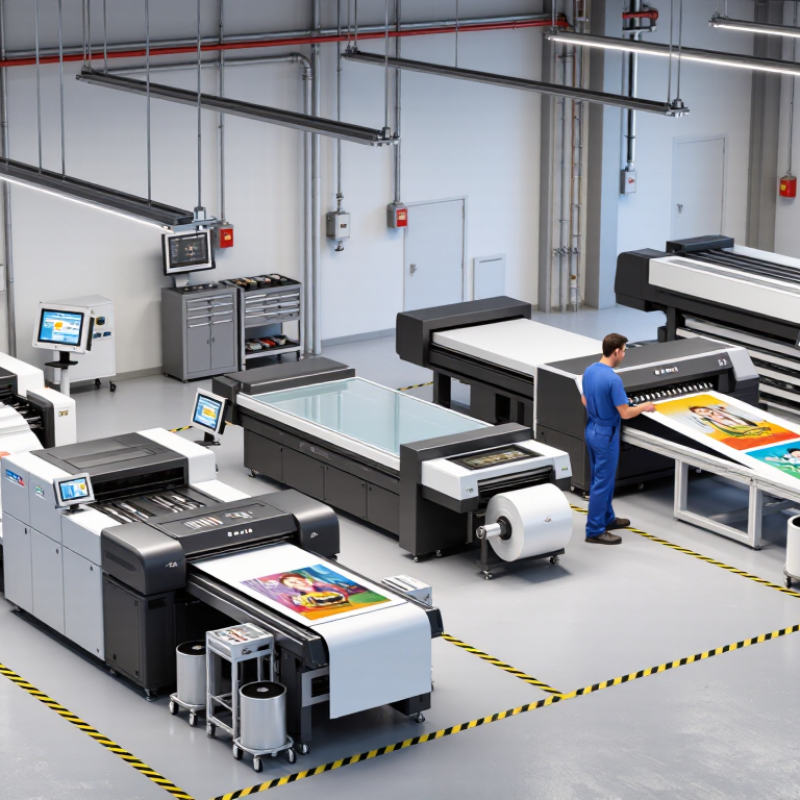
How to Choose China Printing Equipment for Any Material?
Material analysis should guide the equipment decision, not the machine’s advertised speed. Start with surface energy, thickness, flexibility, moisture resistance, and heat tolerance. Paper absorbs ink differently from coated film, glass, metal, or rigid plastic. A rough board may need stronger ink adhesion and controlled pressure. A thin film may require low-tension transport and careful drying. Measure before buying. It is easy to underestimate this step.
Printing requirements must then become measurable settings. Define resolution, color accuracy, production volume, drying time, and finishing needs. According to Smithers’ Future of Digital Print for Packaging to 2027, digital packaging print was valued at about US$22 billion in 2022 and is expected to approach US$30 billion by 2027. This growth reflects demand for shorter runs and variable designs, but it does not make every digital system suitable for every substrate. FESPA’s 2023 Print Census also reported that most surveyed printers expected turnover growth, increasing pressure for flexible, reliable workflows. Test real samples in China before signing a purchase agreement. Check ink adhesion after bending, rubbing, humidity exposure, and washing when relevant. Ask for documented test conditions. Lab results can still miss factory dust, operator changes, or seasonal humidity. That is the uncomfortable part. A slower machine with stable output may outperform a faster machine that rejects ten percent of each batch.
Identify the material’s properties and match them with the required printing conditions.
Absorbent materials such as paper and textiles usually require controlled ink penetration, while non-absorbent materials such as plastic film, glass, and metal need strong adhesion, surface treatment, or specialized curing. Flexible materials also require inks and equipment that can withstand bending without cracking.
Choosing printing equipment starts with the material, not the machine price. Paper and cardboard usually suit offset or digital inkjet systems. Inkjet works well for short runs and variable designs. Corrugated boards need controlled ink absorption and fast drying. Otherwise, edges may look fuzzy.
Flexible films require inks with strong adhesion and suitable curing. UV printing can handle many non-porous surfaces, including glass, metal, wood, and acrylic. A flatbed system helps maintain accurate positioning on rigid sheets. Textiles need different treatment. Direct-to-fabric printing suits some fibers, while sublimation works better with polyester materials. Ceramics may require screen printing or specialized digital equipment. The surface changes everything.
Tips: Test real samples before purchasing. Check adhesion, color consistency, drying time, and scratch resistance. Ask for technical data, maintenance requirements, and operator training. A small sample can reveal a costly mistake. Do not trust appearance alone. A bright print may still peel after handling. In practical trials, I would also test curved edges, dust exposure, and repeated cleaning. These details are easy to overlook. Even experienced buyers sometimes focus too heavily on speed. A slower machine may deliver more reliable output and less waste. That trade-off deserves honest review.
Choosing China printing equipment for any material requires more than comparing purchase prices. The specification sheet should show print width, resolution, drop size, curing method, power demand, and supported media thickness. I also check whether the stated speed applies to draft mode or production quality. That difference can change a daily schedule.
Capacity must match real working conditions. Estimate average orders, peak seasons, setup time, cleaning, and operator breaks. A machine rated for 500 square meters monthly may struggle with dense graphics or frequent color changes. Ask for measured output samples, not only catalog figures. Request a short test using your actual material, such as coated paper, rigid board, fabric, or flexible film. Watch for banding, ink adhesion, drying time, and edge accuracy.
Compatibility is often underestimated. Confirm software formats, color-management options, printhead availability, ventilation needs, and electrical requirements. The equipment should also fit your loading path and workshop temperature range. I once focused on resolution and overlooked media handling space. Installation became slower than expected. That mistake showed me why floor plans and workflow checks matter. Review maintenance access, training support, warranty terms, and replacement-part lead times in writing. Verify safety documentation and local compliance requirements before payment. A careful comparison may feel slower, but it exposes weaknesses before they become production costs.
| Equipment Type | Best-Fit Materials | Typical Print Width | Typical Production Capacity | Common Ink or Toner System | Surface Compatibility | Key Specification to Compare | Main Advantages | Important Limitations |
|---|---|---|---|---|---|---|---|---|
| Roll-to-Roll Solvent Printer | Self-adhesive vinyl, PVC banner, coated polyester, flexible signage film | 1.3–3.2 m | Approximately 20–100 m²/h, depending on resolution and print mode | Solvent or eco-solvent ink | Flexible and coated roll media | Ink droplet size, nozzle configuration, drying system, take-up tension control, maximum roll weight | Durable outdoor graphics, good adhesion on vinyl-based media, suitable for long roll jobs | Requires ventilation; solvent output may need drying and curing time |
| UV Roll-to-Roll Printer | Flexible PVC, synthetic paper, coated films, backlit media, wallpaper | 1.6–3.2 m | Approximately 25–100 m²/h | UV-curable ink | Flexible roll materials with a controlled surface tension | UV lamp power, ink flexibility, curing uniformity, media thickness range, winding accuracy | Immediate curing, strong surface resistance, broad media compatibility, low drying time | Some UV inks can crack when heavily stretched; lamp heat may affect sensitive films |
| Flatbed UV Printer | Rigid PVC, acrylic, foam board, corrugated plastic, glass, wood, metal sheets | Common bed sizes: 1.22 × 2.44 m or 2.5 × 3.1 m | Approximately 20–80 m²/h, depending on passes and white ink usage | UV-curable ink, often with white and varnish channels | Rigid sheets and selected three-dimensional objects | Table size, maximum substrate thickness, vacuum zones, head height, white-ink circulation | Direct printing on rigid materials, fast curing, white ink and varnish effects | Higher investment and material loading requirements; not ideal for very high-volume roll work |
| UV DTF Transfer Printer | Curved or irregular hard goods such as coated metal, glass, ceramics, acrylic, and plastic | Usually 0.3–0.6 m roll width | Approximately 8–30 m²/h, including film handling and transfer steps | UV-curable color, white, varnish, and adhesive layers | Hard, smooth, clean surfaces that can accept a transfer film | Transfer-layer adhesion, film width, lamination accuracy, ink flexibility, curing control | Decorates objects that are difficult to position on a flatbed; supports detailed short-run work | Not suitable for fabric; surface preparation and manual application can affect consistency |
| Direct-to-Garment Printer | Cotton and cotton-rich T-shirts, hoodies, tote bags, and other flat garments | Typical platen areas: 0.35 × 0.45 m to 0.4 × 0.6 m | Approximately 15–50 light garments/h; dark garments are generally slower because of white ink | Water-based pigment ink, commonly with white ink | Flat, pretreated textile surfaces | Platen size, white-ink circulation, pretreatment method, curing temperature, garment thickness range | Soft-hand photographic prints, economical for personalized and short-run apparel | Requires pretreatment and heat curing; performance varies with fabric composition and weave |
| Direct-to-Film Transfer Printer | Polyester, cotton, blends, nylon, canvas, uniforms, and workwear | Usually 0.3–0.6 m film width | Approximately 5–30 linear m/h, depending on width, resolution, and powdering workflow | Water-based pigment ink with hot-melt adhesive powder | Many fabric types after film transfer and heat pressing | Film width, powder application consistency, drying temperature, white-ink stability, transfer peel performance | Wide textile compatibility, strong opacity, suitable for logos and variable graphics | Requires powder handling, drying, and a separate heat-press or transfer stage |
| Dye-Sublimation Printer | Polyester fabric, coated polyester panels, flags, sportswear, soft signage | 0.6–3.2 m | Approximately 20–150 m²/h, depending on transfer or direct-to-textile workflow | Dye-sublimation ink | White or light polyester and polyester-coated substrates | Color consistency, paper or textile path, heater control, take-up system, maximum roll diameter | Bright colors, wash-resistant textile results, suitable for continuous fabric production | Generally unsuitable for cotton and dark materials; requires heat transfer or controlled heating |
| Screen Printing Press | Cotton garments, paper, cardboard, plastics, glass, metal, and promotional products | Print areas commonly 0.3 × 0.4 m to 0.8 × 1.1 m per station | Approximately 200–1,000 pieces/h, depending on automation, colors, and curing | Water-based, plastisol, solvent-based, or UV screen ink | Flat or suitably fixtured surfaces | Number of stations, maximum frame size, registration accuracy, squeegee pressure, curing capacity | Excellent opacity, durable solid colors, efficient for large repeat orders | Setup and screen preparation take time; less economical for highly variable full-color artwork |
| Digital Textile Printer | Polyester, cotton, viscose, silk, wool blends, and coated textiles, depending on ink type | 1.6–3.2 m | Approximately 30–200 m²/h, depending on ink chemistry and color density | Reactive, acid, pigment, or disperse dye ink | Textiles matched to the selected ink chemistry and finishing process | Ink type, pretreatment, steaming or curing method, fabric feeding accuracy, color-management system | Variable-data printing, detailed patterns, reduced plate inventory, suitable for sampling and on-demand production | Some ink types require washing, steaming, or other post-treatment equipment |
| Sublimation Heat Press | Printed sublimation paper, polyester garments, coated mugs, panels, and promotional items | Flat presses: approximately 0.4 × 0.6 m to 1.6 × 3.2 m; calendar presses support wider rolls | Approximately 20–100 m²/h for roll systems; lower for manual flat presses | Used with sublimation transfer prints | Polyester or polymer-coated surfaces | Temperature uniformity, pressure control, heating area, dwell-time accuracy, cooling and calender speed | Transfers sublimation designs with strong color penetration and good wash resistance | Cannot directly print onto most natural fibers or untreated non-polymer surfaces |
| Digital Label and Packaging Press | Self-adhesive label stock, coated paper, synthetic film, folding carton materials | Common web widths: 0.2–0.5 m | Approximately 15–60 m/min, depending on substrate and finishing requirements | Water-based, UV, or dry-toner system | Engineered paper and film substrates within the press’s approved thickness range | Web tension, substrate thickness, color registration, curing or fusing speed, inline finishing options | Fast variable-data production, short runs, versioning, and reduced plate setup | Substrate coatings and finishing compatibility must be tested before production |
| Laser Engraver and Marker | Wood, acrylic, paper, leather, anodized metal, coated metal, glass, and selected plastics | Common working areas: 0.3 × 0.2 m to 1.3 × 0.9 m | Varies widely by material, laser power, artwork, and engraving depth | Laser energy rather than ink or toner | Rigid sheets, small objects, and selected coated surfaces | Laser wavelength, rated power, bed size, focal control, exhaust system, material safety settings | Permanent marking, cutting, personalization, and no ink-drying requirement | Not suitable for every plastic or coated material; fumes and fire-safety controls are essential |
Choosing China printing equipment for different materials starts with the ink system. The surface may be paper, film, metal, glass, or coated board. Each material accepts ink differently. Water-based ink can suit absorbent paper, while UV or solvent-based systems may work better on non-porous surfaces. Always check adhesion after curing. A simple fingernail test can reveal weak bonding.
Drying method affects speed, color stability, and production safety. Air drying may be enough for porous stock, but it can slow the line. UV curing hardens ink quickly, while hot-air drying removes moisture or solvent gradually. Measure the substrate temperature, not only the dryer setting. Thin film can curl under excessive heat. I once approved a test too quickly, and the printed surface later showed blocking when stacked.
Print quality needs more than a sharp sample. Inspect small text, solid color areas, gradients, and fine lines under consistent lighting. Compare several test sheets after drying, not immediately after printing. Check color difference, rub resistance, registration, and surface gloss. Ask the supplier for material-specific test results and maintenance records. Keep samples from every trial. They make future decisions more reliable. No machine handles every material perfectly. Careful testing still matters most.
How to Choose China Printing Equipment for Any Material?
A low machine price can hide expensive operational risks. When evaluating China printing equipment, verify supplier support before discussing discounts. Ask for documented response times, installation procedures, operator training, and spare-parts availability. A reliable supplier should explain who handles calibration, software updates, and remote troubleshooting. Get these commitments in writing.
Testing services deserve equal attention. Send actual materials, including coated film, corrugated board, metal sheets, or textured paper. Request printed samples at production speed, not only showroom speed. Check adhesion, color stability, drying time, registration, odor, and scratch resistance. Smithers valued the global digital packaging print market at about 22 billion US dollars in 2023. Its forecast shows strong growth through 2028. Material compatibility will become more important, not less.
Calculate total cost over three to five years. Include freight, installation, training, electricity, ink or toner, maintenance, rejected sheets, and downtime. FESPA’s 2023 Print Census found that 72% of respondents expected business growth, while many also planned further investment. Growth can expose weak service quickly. A missing sensor may stop production for days. That cost rarely appears in the quotation. I would also request references from users printing similar materials. A polished sample can mislead. Test again, and keep one failed sample for honest comparison.
Start with surface energy, thickness, flexibility, moisture resistance, and heat tolerance. Paper absorbs ink differently from glass or metal. Measure the material before comparing machine speeds. Test it.
Offset or digital inkjet systems often suit paper and cardboard. Inkjet supports short runs and variable designs. Corrugated board needs controlled absorption and fast drying. Otherwise, edges may become fuzzy.
Choose ink with strong adhesion and suitable curing. Use low-tension transport for thin film. Check whether heat causes curling. A bright sample can still peel later.
UV systems can suit glass, metal, wood, and acrylic. Flatbed equipment helps position rigid sheets accurately. Test curved edges and surface cleanliness. Dust changes results.
Direct-to-fabric printing suits some fibers. Sublimation usually works better with polyester materials. Ceramics may need screen printing or specialized digital equipment. The surface changes everything.
Print real samples and inspect them after curing. Try bending, rubbing, humidity exposure, and washing when relevant. A simple fingernail test can reveal weak bonding. Test it again after stacking.
Air drying may suit porous materials but can slow production. UV curing hardens ink quickly. Hot-air drying removes moisture or solvent gradually. Measure substrate temperature, not only dryer settings.
Inspect small text, solid colors, gradients, fine lines, registration, gloss, and rub resistance. Compare several sheets under consistent lighting. Check them after drying. Not immediately.
No. A slower machine may produce steadier output and less waste. Track rejected sheets, drying time, and color consistency. A fast machine with ten percent waste may perform worse. That trade-off deserves honest review.
Choosing suitable printing equipment begins with understanding the material’s surface, flexibility, absorbency, thickness, and heat sensitivity, as well as the required image quality, production speed, and application. To learn how to select printing equipment for different materials, compare technologies according to their strengths: some are better for rigid surfaces, while others handle flexible, textured, porous, or heat-sensitive materials more effectively. The equipment should also match the required format, workload, automation level, and material compatibility.
A careful evaluation should include print resolution, color consistency, ink adhesion, drying or curing methods, maintenance needs, and operating capacity. Consider whether the ink system is appropriate for the material and whether the drying process can prevent smearing, distortion, or surface damage. Before purchasing, request material testing, sample production, technical guidance, training, spare parts availability, and after-sales support. Finally, compare the total cost, including equipment, inks, energy, maintenance, labor, and potential downtime, rather than focusing only on the initial price.

Magly Printer