How Much Does Industrial Digital Printing Cost in 2026?

Time:2026-05-31 Author:Henry
0%

As businesses evolve, the demand for efficient and high-quality printing solutions continues to rise. Many companies now turn to digital printing for its flexibility and precision. However, questions about cost linger. How much does industrial digital printing cost? This question is becoming increasingly relevant as we approach 2026.

Understanding the pricing structure of industrial digital printing requires a deep dive into various influencing factors. Equipment choices, material quality, and production volume play crucial roles in determining overall expenses. A basic setup might appear affordable, but hidden costs can emerge. These include maintenance, training, and potential upgrades.

Beyond the numbers, reflecting on the impact of costs is essential. Companies must weigh their printing needs against budget constraints. As new technologies advance, prices may shift. Therefore, staying informed about trends and changes in the industry will help businesses make better financial decisions. Ultimately, grasping how much industrial digital printing costs will empower organizations to invest strategically for the future.
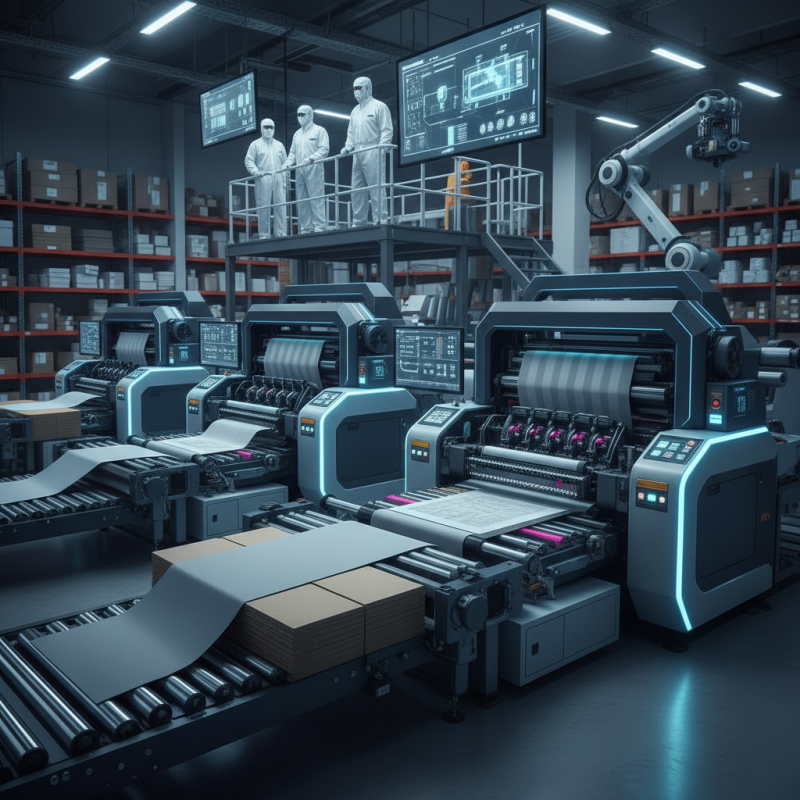
How Much Does Industrial Digital Printing Cost in 2026?

Overview of Industrial Digital Printing Costs in 2026

In 2026, the landscape of industrial digital printing will see notable shifts in costs. Factors influencing these costs include technology advancements, material prices, and production scale. Businesses may find that initial investment remains high but promises long-term savings through efficiency.

Digital printing offers flexibility and speed. However, costs can vary widely. Smaller companies might struggle with the high prices of equipment and maintenance. Larger firms, on the other hand, may benefit from economies of scale. It's essential for businesses to weigh their options carefully.

Moreover, as sustainability becomes crucial, the cost of eco-friendly materials will likely rise. This focus on sustainability reflects market demand. Companies must adapt, but they should also consider the implications of such changes. Balancing cost reduction with quality remains a challenge. In the end, the decisions made today will shape their financial landscape for years to come.

How Much Does Industrial Digital Printing Cost in 2026? - Overview of Industrial Digital Printing Costs in 2026

Printing Technology Cost per Unit ($) Setup Cost ($) Average Speed (m²/h) Common Applications
Inkjet Printing 0.50 3000 50 Textiles, Signage
Laser Printing 0.80 5000 30 Packaging, Labels
UV Printing 1.00 4000 20 Decorative Items, Displays
Dye Sublimation 1.20 3500 45 Apparel, Home Decor
Electrostatic Printing 0.70 2500 60 Books, Cards

Key Factors Influencing Costs in Industrial Digital Printing

Industrial digital printing is rapidly evolving. However, understanding the key factors influencing costs remains crucial for businesses. In 2026, the average cost of industrial digital printing is projected to range between $0.05 and $0.15 per square foot, depending on the complexity of the project and technology used.

One significant factor affecting costs is the type of substrate. Different materials, such as paper, plastics, or textiles, require various inks and processing methods. Studies indicate that the choice of substrate can increase costs by 20% to 30%. Additionally, the printing technology itself plays a vital role. High-speed printers tend to have higher initial costs but lower per-unit costs over time due to efficiency.

Another aspect to consider is labor. Skilled operators are necessary to ensure quality results. According to industry reports, labor costs can account for 20% to 40% of the overall production costs. The ongoing training and expertise required in digital printing technologies may also lead to fluctuating expenses. These variables make it essential for companies to continuously evaluate their strategies and adapt to market changes.

Comparison of Digital Printing Costs Across Different Industries

In 2026, the industrial digital printing landscape will show diverse costs across various sectors. Reports suggest that the packaging industry will continue to dominate, with costs averaging around $2.50 per square meter. Label production, specifically, may offer efficiencies that lower costs to about $1.80 per square meter. These price points highlight significant advancements in technology and materials, yet they also raise questions about sustainability and production waste.

The textiles sector will likely experience a different pricing dynamic. Here, costs might rise to approximately $3.00 per square meter due to specialized inks and substrates. This is a stark reminder that while digital printing saves time and reduces inventory, these benefits often come at a higher expense. Moreover, environmental considerations are prompting many companies to rethink their investments.

Automotive industries present another layer of complexity. Digital printing in this field may cost upwards of $4.00 per square meter. The emphasis on customization and rapid prototyping is driving prices higher. It suggests a balancing act between innovation and feasibility. Not every business can adopt these techniques without scrutinizing their return on investment. Data shows that understanding these costs across industries will be vital for informed decision-making in this evolving marketplace.

How Much Does Industrial Digital Printing Cost in 2026?

This chart compares the estimated costs of industrial digital printing across various industries in 2026. The costs are measured in USD per square meter. As digital printing technology evolves, these costs reflect the anticipated shifts in pricing for different applications.

Projected Market Growth and Its Impact on Pricing Structures

The industrial digital printing market is set for significant growth by 2026. This trend will influence pricing structures, making it crucial for businesses to understand the implications. As more companies adopt digital printing, competition increases. This competition can lead to fluctuations in prices, as providers strive to offer better rates.

In addition, technological advancements will continue to shape the market. New innovations can reduce production costs and improve efficiency. However, not all businesses will keep pace with these developments. Some may struggle with integrating new technologies, which could impact their pricing. As a result, there will be a notable disparity in costs among providers.

Customers should be aware of these dynamics when budgeting for industrial digital printing. Prices may vary significantly based on technology used and supplier capabilities. Businesses must also consider potential future trends. Continued growth in this sector might uncouthly push some to rethink their printing solutions. This reflection is essential for staying competitive and ensuring cost-effectiveness.

Case Studies of Cost Variations in Real-World Applications

As industrial digital printing evolves, understanding cost variations in real-world applications is crucial. The Digital Printing Market Analysis conducted by Smithers Pira in 2021 revealed that, by 2026, operational costs could range significantly based on application type. For instance, high-volume textile printing can average around $0.50 per square meter, while specialty packaging may soar to $5.00 per square meter. This discrepancy showcases how market demands influence expenses.

A closer look at case studies reveals operational inefficiencies impacting costs. In the automotive sector, a leading manufacturer faced production delays due to outdated technology. They attributed a 30% increase in per-unit costs to these complications. Another example is a company focused on bespoke signage. They reported that manual processes added up to 40% to their overall costs compared to fully automated systems. These insights underscore the need for continual investment in technology to maintain competitiveness.

Real-world cases highlight the necessity of adapting to market needs and technological advancements. Each industry presents unique challenges, often resulting in unexpected price fluctuations. Businesses must reflect on their processes to identify areas for improvement and cost reduction while juggling the pressure of client expectations and market dynamics. Such reflections are vital to navigate the complexities of industrial digital printing costs in the approaching years.

FAQS

: What factors influence industrial digital printing costs in 2026?

: Key factors include technology advancements, material prices, and production scale.

How does the size of a company affect printing costs?

Smaller companies often face higher equipment costs, while larger firms benefit from economies of scale.

What is the average cost of industrial digital printing per square foot?

The average cost is projected to range between $0.05 and $0.15 per square foot.

How does the choice of substrate impact costs?

Different substrates can increase costs by 20% to 30% due to varied inks and processing methods.

What role do labor costs play in digital printing?

Labor costs can account for 20% to 40% of overall production costs, necessitating skilled operators.

Why is it important to continuously evaluate printing strategies?

Market changes can lead to fluctuating expenses, making ongoing evaluation essential for cost management.

Are eco-friendly materials more expensive?

Yes, the focus on sustainability may lead to increased costs for eco-friendly materials.

What are common operational inefficiencies in real-world applications?

Outdated technology and manual processes can significantly increase operational costs.

How can businesses maintain competitiveness in digital printing?

Continuous investment in technology and adapting to market needs are vital for competitiveness.

What challenges do companies face in balancing cost and quality?

Finding the right balance between reducing costs and maintaining quality can be very challenging.

Conclusion

In 2026, understanding how much does industrial digital printing cost will be crucial for businesses seeking to optimize their production processes. The costs are influenced by several key factors, including technology advancements, material prices, and production volumes. Different industries exhibit varying cost structures, with sectors like packaging and textiles often experiencing higher demand and, consequently, different pricing dynamics.

As the market for digital printing continues to grow, it is projected that pricing structures will evolve, influenced by increased competition and technological innovations. Case studies reveal significant cost variations in real-world applications, emphasizing the necessity for businesses to assess their specific needs and industry benchmarks. Overall, being informed about the costs associated with industrial digital printing in 2026 will enable companies to make strategic decisions for cost efficiency and adaptability.

Henry

Henry

Henry is a dedicated marketing professional with a profound expertise in the company's offerings. With years of experience in the industry, he possesses an impressive understanding of the market dynamics and consumer behaviors that drive success. Henry is committed to sharing his insights through......