The question of "why does printing quality decline over time" is a critical concern for many industries. A recent report from Smithers Pira indicates that the global printing industry is valued at over $800 billion. As technology advances, maintaining print integrity is vital. Over time, factors such as wear and tear of machinery, aging consumables, and environmental conditions can significantly impact output quality.
One study reveals that nearly 30% of printing companies face challenges related to equipment deterioration. Issues like clogged nozzles in inkjet printers or worn-out rollers in offset presses contribute to poor output. These problems highlight the need for regular maintenance and replacements, which are often overlooked.
Additionally, the impact of ink quality cannot be underestimated. Inks degrade over time, leading to inconsistent color reproduction. Furthermore, substrate interaction plays a role; paper can absorb moisture, which affects print adsorption. A thorough understanding of these factors is essential for industry professionals who seek to mitigate quality decline and ensure long-term customer satisfaction.
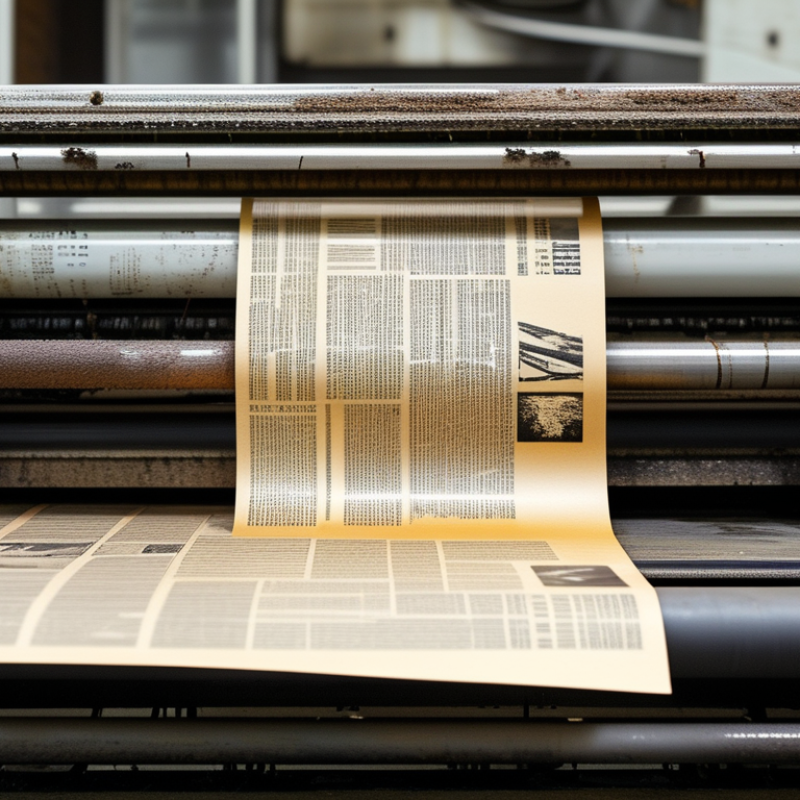
Printing quality can decline due to several factors. One major aspect is the
age of the printer. Over time, wear and tear can affect
print heads and rollers. Data from industry studies indicate that printers older than five years often produce
lower-quality prints. In fact, about 30% of users report issues like streaks and faded colors
in devices that have not been maintained.
Another crucial element is the type of ink and paper used. Inks can dry out, leading to clogging in the print head.
A report by a leading printing organization shows that using lower-quality paper can result in
ink bleeding, reducing sharpness. Regular maintenance can mitigate some issues, yet many users neglect this aspect. Studies
reveal that about 40% of printer owners do not perform routine checks on their machines,
which can exacerbate quality deterioration.
Environmental conditions also play a role. Humidity and temperature fluctuations can impact
both ink and paper quality. For instance, high humidity can cause paper to absorb moisture, leading to curling and misfeeds.
While many people overlook these details, they significantly influence long-term printing outcomes. Consequently, reflecting on
these factors is essential for preserving printing quality over time.
Printing quality can deteriorate over time due to several common factors. One significant cause is the
wear and tear of printer components. Overuse leads to
the degradation of print heads and rollers, which impacts how ink is applied to paper. Dust and debris can
accumulate, causing streaks or dots in printed images. Regular maintenance
is crucial, yet many users overlook it.
Another factor contributing to declining print quality is ink quality.
Expired or low-quality ink may produce faded colors. Mixing different ink types can also lead to poor results.
Users often assume all inks are compatible, but this isn’t true. Each type of ink has specific properties
that affect print outcomes.
Paper quality plays a vital role too. Using improper paper can lead to
smudging or misprints. Low-quality paper absorbs ink unevenly, distorting images. Additionally,
environmental conditions like humidity can affect how ink dries. Users should consider these elements for
improved output. Identifying and addressing these factors can enhance the printing experience. Yet, many
prints will inevitably fall short of expectations without regular attention and care.
The longevity of print quality largely depends on the type of ink or toner used. Different formulations affect how well prints withstand the test of time. For example, dye-based inks often produce vibrant colors but fade quickly when exposed to light. In contrast, pigment-based inks offer better durability and resistance to environmental factors.
Toner, used in laser printers, also plays a critical role. While it provides sharp text and images, certain toners can wear down over time. High temperatures in laser printers may lead to degradation of toner particles, resulting in smudged prints. This gradual decline in quality is often unnoticed until significant fading occurs.
It's essential to consider storage conditions as well. Humidity and temperature fluctuations can negatively impact both ink and toner. Ideal storage may not always be possible, leading to unforeseen consequences. Users should be mindful of these factors to maintain print quality effectively. Regular maintenance of printers and choosing the right ink or toner can help prolong the lifespan of printed materials.
Maintaining printer quality is more than just replacing ink cartridges. Regular printer maintenance plays a crucial role in sustaining print quality over time. The Imaging Industries Association reports that 60% of print quality issues stem from poorly maintained printers. This statistic emphasizes the need for proper care and attention.
Dust accumulation is a major culprit. Dust can obscure print heads and rollers, leading to streaky prints. Cleaning procedures should be part of a scheduled maintenance routine. Additionally, use of the wrong paper can impact performance. High-quality paper makes a significant difference. According to research by industry experts, using subpar paper can decrease clarity by up to 30%.
Neglecting routine maintenance can lead to larger, costly issues. As components wear down, the printer's function diminishes. In some cases, repairs may exceed the cost of a new device. That's a hard pill to swallow for many users. It’s clear that proactive maintenance is a small price to pay against the long-term quality of prints.
Over time, printing quality can decline significantly due to environmental factors. Moisture and heat are two key influences. High humidity can cause paper to warp, making ink spread unevenly. Excessive heat, on the other hand, can dry out ink too quickly. This leads to inadequate adherence and results in faded prints. These conditions may seem common but they have a profound impact on print quality.
To maintain optimal print quality, consider the storage environment for both inks and paper. Keep them in a cool, dry place. Avoid direct sunlight, as it can degrade materials. Regularly check humidity levels; aim for around 40-50% humidity. This reduces the risk of paper curling or ink bleeding.
Another crucial aspect is the printer maintenance routine. Dust and debris can accumulate inside printers, affecting output. Clean the printheads and rollers frequently. This simple habit can prevent many print quality issues. It requires minimal time but yields significant benefits. Understanding these environmental factors is essential. By taking proactive steps, you can enhance your print quality over time.
: The type of ink or toner significantly influences print longevity.
Dye-based inks are vibrant but fade quickly, while pigment-based inks are more durable.
Toner provides sharp images but can degrade over time, especially with high printer temperatures.
Humidity and temperature fluctuations can harm both ink and toner, affecting print quality.
Regular maintenance can prevent many print quality issues, with 60% stemming from neglect.
Dust can block print heads and rollers, causing streaky or unclear prints.
Yes, using high-quality paper can significantly enhance clarity compared to subpar options.
Ignoring maintenance can lead to serious issues, even costing more than a new printer.
Regular cleaning and checks should be part of a routine to keep prints quality high.
Many users overlook the importance of maintenance, impacting overall print quality.
The decline in printing quality over time can be attributed to several key factors. One major aspect is the composition and longevity of the ink and toner used. As these materials age, they can become less effective, leading to fading or inconsistent prints. Additionally, common causes of deteriorating print quality include printer wear and tear and neglect of proper maintenance practices, such as regular cleaning and timely cartridge replacement.
Furthermore, environmental influences like humidity and temperature can significantly impact print quality degradation. In understanding why does printing quality decline over time, it becomes clear that both the materials used and the conditions in which printers operate are crucial for maintaining optimal performance. Regular maintenance and awareness of surrounding conditions are essential to prolonging the lifespan and quality of printed materials.

Magly Printer