Is Digital Printing Best for Mass Production Needs?

Time:2026-06-01 Author:Aria
0%

In recent years, digital printing has gained significant attention in various industries. Its technology offers unique advantages in customization and efficiency. However, the question remains: is digital printing suitable for mass production? This inquiry is crucial for businesses aiming to optimize their production processes.

Digital printing is known for its ability to produce high-quality prints quickly. This makes it appealing for short runs and custom orders. Yet, when it comes to mass production needs, some challenges may arise. Understanding these challenges is essential for companies considering this method.

The cost-effectiveness of digital printing compared to traditional methods is often debated. For large volumes, traditional printing may still hold the upper hand. Businesses must evaluate their specific needs and potential limitations. Exploring the balance between quality, speed, and cost will help determine if digital printing meets mass production demands.
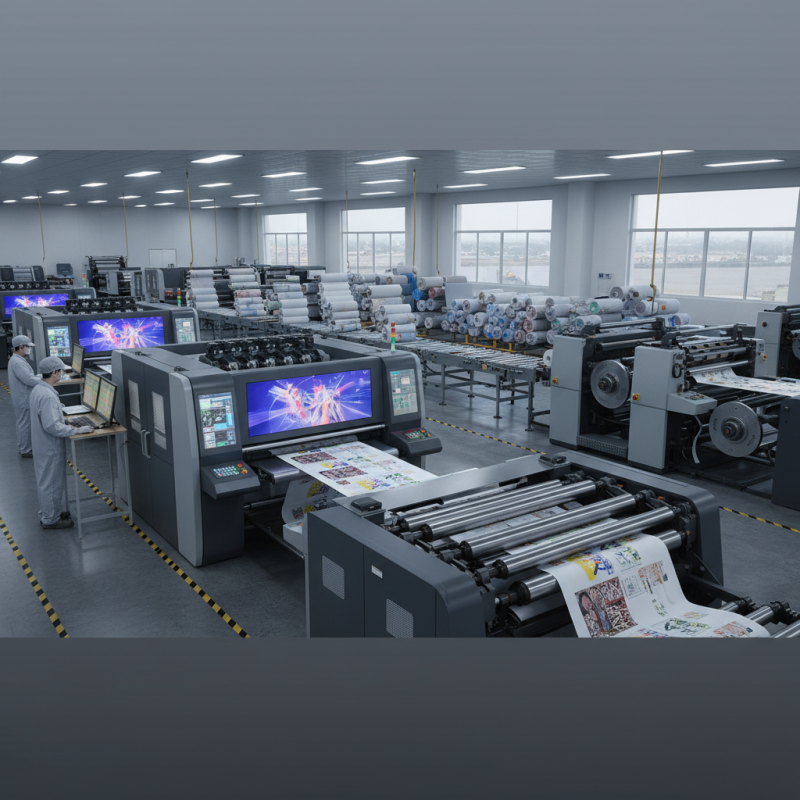
Is Digital Printing Best for Mass Production Needs?

Advantages of Digital Printing in Mass Production Settings

Digital printing is increasingly becoming the go-to solution for mass production. Its ability to print on a variety of substrates with precision is unmatched. According to a study by Smithers Pira, the digital printing market is expected to grow from $27 billion in 2020 to $40 billion by 2025. This rapid growth highlights the efficiency and effectiveness of digital printing for large-scale needs.

One significant advantage of digital printing is its short turnaround time. Production can begin immediately after design approval. In traditional printing, lengthy setup times can delay projects. Additionally, digital printing allows for easier customization. Companies can print variable data for different markets without incurring substantial extra costs. Research shows that brands that personalize their messaging see engagement rates increase by up to 20%.

Tip: When considering digital printing for mass production, assess your volume needs closely. If your projects require diverse designs regularly, digital printing may give you better ROI. Also, be mindful of color consistency; a comprehensive proofing process can help avoid potential issues.

Despite its many advantages, digital printing does have limitations. It may not be as cost-effective for very large runs compared to traditional methods. Also, the choice of materials can vary, which might affect production quality. Ensuring compatibility with your specific substrates is crucial.

Comparative Analysis: Digital vs. Traditional Printing Methods

Digital printing has surged in popularity, especially for businesses seeking efficiency. With the ability to produce high-quality prints on demand, digital methods offer flexibility. However, traditional printing still holds relevance, particularly for larger runs. It provides reduced costs per unit and can achieve a more vibrant color output through offset techniques.

The contrast lies in setup time and production capabilities. Digital printing often requires less time to set up, allowing for quicker turnaround and customization. But traditional printing benefits when dealing with extensive quantities. The machines are built to run large volumes, which can drive down per-piece costs significantly.

Despite the advantages of digital printing, it may lack consistency in large batches. Variations can occur as print runs extend. This raises questions about reliability for high-stakes projects. Traditional methods, while slower, tend to offer greater uniformity across prints. Understanding these distinctions is essential for businesses choosing the best method for their needs.

Market Trends: Growth of Digital Printing in Production Industries

Digital printing is on the rise in production industries. As manufacturers seek greater efficiency, digital options provide an attractive solution. This technique allows for rapid changes and customization, meeting the diverse demands of modern consumers. Industries, such as textiles and packaging, are seeing significant shifts. The ability to print on demand reduces waste and excess inventory.

Tips: Invest in training your team. Understanding digital printing technology is crucial. Consider the long-term benefits of adopting digital methods. Start with small-scale projects to evaluate effectiveness.

Market trends show that businesses are increasingly prioritizing sustainability. Digital printing often uses less energy and fewer resources. This shift not only meets regulatory standards but also aligns with consumer expectations. However, transitioning to digital printing is not without its challenges. Companies must address upfront costs and the learning curve associated. Balancing traditional methods with new technology can be a complex dance.

Tips: Assess your production needs carefully. Analyze current workflows when integrating digital printing. It's essential to remain flexible and open to adjustments as you evaluate outcomes.

Cost Efficiency: Analyzing Digital Printing's Impact on Production Expenses

Digital printing has transformed the way businesses approach mass production. Its versatility allows for quick changes in design. This adaptability can lead to significant savings on production expenses. However, the cost efficiency of digital printing isn't always straightforward. Initial equipment costs can be high, which may deter smaller companies.

The key advantage of digital printing lies in its ability to reduce waste. Traditional methods often involve creating large print runs, which can result in excess inventory. With digital printing, companies can print on demand. This means they only produce what is necessary, minimizing waste and storage costs. Yet, balancing between larger batches and on-demand printing requires careful planning and analysis.

While digital printing offers many benefits, it isn’t without challenges. The price per unit may be higher than traditional methods for large volumes. Companies must evaluate their production needs carefully. Adapting to this technology may require training staff and rethinking processes. This transformation can create resistance and confusion. However, when implemented effectively, the long-term savings can outweigh these initial hurdles.

Case Studies: Successful Digital Printing Applications in Mass Production

Digital printing is reshaping mass production across various industries. Its flexibility allows for quick adjustments without significant downtime. Many businesses have successfully integrated digital printing into their operations, showcasing its potential.

One notable application is in textiles. A manufacturer used digital printing for custom designs, reducing waste and stock issues. They could print on demand, catering to specific customer preferences. This agility improved their market responsiveness.

In packaging, digital printing has transformed how brands deliver products. A successful case involved short-run labels. The company reduced lead times drastically while maintaining quality. They found that customers appreciated the personalized touch.

**Tip:** Embrace digital printing's adaptability in your production line. It can empower small businesses to compete effectively.

However, there are challenges. Initial costs may be high. Some companies might struggle with integration into existing workflows. This can lead to uneven quality or delays during the transition phase. Continuous training and adaptation are vital for success.

**Tip:** Assess your team's readiness for new technology. Training can mitigate initial struggles and enhance overall productivity.

Ultimately, digital printing offers vast potential for companies open to innovation. Though it carries risks, the rewards can significantly outweigh them.

Is Digital Printing Best for Mass Production Needs? - Case Studies: Successful Digital Printing Applications in Mass Production

Application Industry Production Volume Benefits
Custom Packaging Consumer Goods 10,000 units/month High customization, reduced inventory costs
Personalized Greeting Cards Print Media 5,000 units/month Unique designs, rapid turnaround time
Apparel Printing Fashion 15,000 units/month Short run capabilities, on-demand fulfillment
Label Production Food & Beverage 20,000 units/month Cost-effective for small batches, fast design changes
Wall Graphics Retail & Hospitality 3,000 installations/month Vivid imagery, quick installation

FAQS

: What is one major advantage of digital printing in mass production?

: Digital printing offers short turnaround times, starting production immediately after design approval.

How does digital printing enhance customization?

It allows for variable data printing, enabling brands to tailor messages for different markets without extra costs.

Why is assessing volume needs important for digital printing?

Understanding volume helps determine if digital printing provides better ROI, especially for diverse designs.

What is a key factor to ensure quality in digital printing?

Maintaining color consistency through a comprehensive proofing process is crucial for avoiding production issues.

What sustainability advantage does digital printing offer?

Digital printing uses less energy and resources, aligning with modern consumer expectations for sustainability.

What challenges might companies face when transitioning to digital printing?

Upfront costs and a learning curve might deter businesses from adopting digital methods effectively.

How can businesses evaluate the effectiveness of digital printing?

Starting with small-scale projects allows businesses to analyze outcomes before committing to larger runs.

What is an important consideration when balancing printing methods?

Balancing traditional methods with digital printing requires flexibility and openness to adjustments based on results.

Why is training staff essential in adopting digital printing technology?

Understanding digital printing is crucial for maximizing its efficiency and overcoming initial challenges.

What potential drawback does digital printing have for large runs?

For very large volumes, the per unit cost may be higher than traditional printing methods.

Conclusion

The article examines whether digital printing is suitable for mass production by highlighting its advantages in various production settings. Digital printing offers flexibility, quick turnaround times, and the ability to produce customized designs without significant setup costs. In comparison to traditional printing methods, digital printing emerges as a more efficient choice, especially for short runs and personalized products.

Market trends indicate a growing adoption of digital printing within production industries, as evidenced by its cost efficiency and reduced waste. A thorough analysis of production expenses shows that digital printing can lead to lower overall costs, particularly when factoring in the benefits of fast production times and minimal inventory requirements. Through case studies of successful applications, the article demonstrates how digital printing technologies are increasingly meeting the demands of mass production needs.

Aria

Aria

Aria is a dedicated marketing professional with a deep passion for innovative strategies and a keen understanding of our company's product offerings. With a wealth of experience in the industry, Aria excels at crafting engaging content that highlights the unique features and benefits of our......