Why is Digital Printing Gaining Traction in Ceramic Decoration?

Time:2026-06-16 Author:Henry
0%

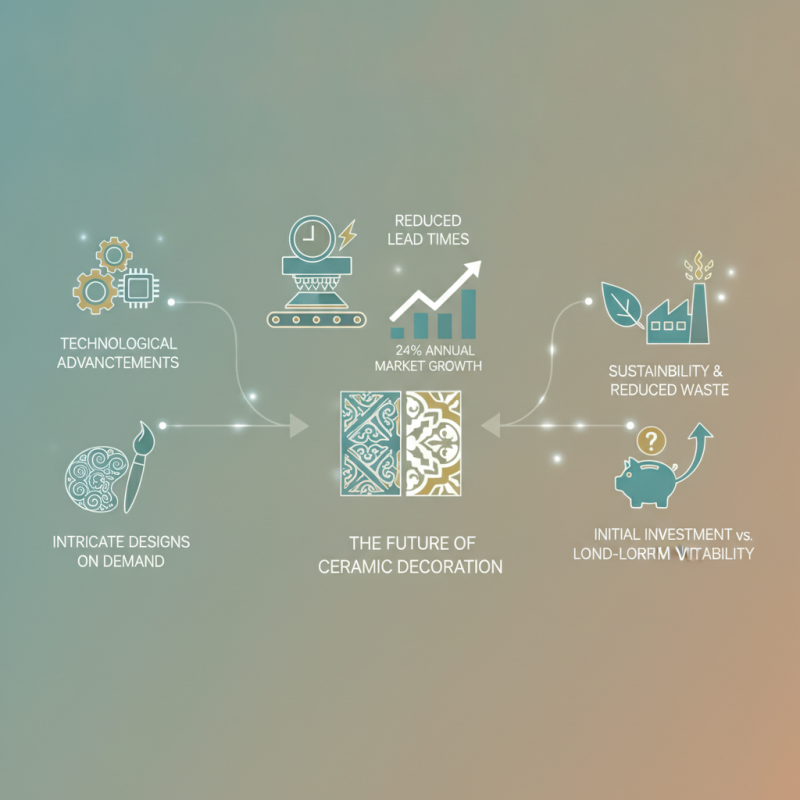
Digital printing is swiftly becoming a game changer in ceramic decoration. With advancements in technology, it offers unmatched flexibility. According to a recent report by Smithers Pira, the digital printing market for ceramics is expected to grow by 24% annually. This shift highlights why digital printing is popular in ceramic decoration.

Expert Marjorie Timmons emphasizes, “The ability to produce intricate designs on demand is revolutionizing the industry.” Traditional methods often limit creativity and speed. In contrast, digital printing allows for custom designs without long lead times. As manufacturers focus on sustainability, digital techniques reduce waste significantly. However, some may worry about the initial investment costs.

This blend of innovation and practicality raises questions about long-term viability. Are companies ready to adapt completely? As digital printing shapes the future, exploring its potential and challenges is essential. The industry must reflect on investments in technology alongside evolving consumer demands.
Why is Digital Printing Gaining Traction in Ceramic Decoration?

Current Trends in Ceramic Decoration Using Digital Printing

Digital printing is revolutionizing ceramic decoration, enabling more intricate designs and reducing lead times. Recent industry reports indicate that the global digital ceramic printing market is projected to reach USD 2.7 billion by 2026, expanding at a CAGR of 21.4% from 2021. This growth highlights how digital techniques are becoming increasingly favored in ceramics, thanks to their flexibility and efficiency.

Current trends emphasize the push for customized designs. Consumers demand unique patterns that reflect personal style. Digital printing meets these needs effectively, allowing manufacturers to produce small batches without sacrificing quality. A study by Smithers Pira notes that the digital printing sector provides up to 60% cost savings on production. This efficiency is critical for meeting modern consumer expectations in a fast-paced market.

However, challenges persist. Not all ceramic materials are compatible with digital printing. While some clays respond well, others may not achieve consistent results. Moreover, achieving vibrant colors can require additional testing and adaptation. Manufacturers must continuously refine their processes to ensure reliability and quality. Addressing these obstacles is essential for capitalizing on digital printing's potential in ceramic decoration.

Comparison of Traditional vs. Digital Printing Methods in Ceramics

Digital printing is revolutionizing ceramic decoration, creating new avenues for creativity and production. Compared to traditional methods, like screen printing and transfer printing, digital printing offers significant advantages. A study by Smithers Pira indicates that digital printing's market value in ceramics is projected to expand at a CAGR of over 10% through 2025. This growth stems from the demand for customization and shorter production runs.

Traditional methods often require extensive setup time and are less flexible. Screen printing can produce high volumes but lacks the intricate detail that digital methods can achieve. For example, digital printing allows artists to apply designs directly onto ceramic surfaces, enabling complex patterns and rich colors. This process eliminates the need for plates or screens, reducing costs and time. However, the quality of digital prints may vary, prompting concerns about durability.

Though digital printing is on the rise, it is not without challenges. Equipment costs can be high, and some printers may struggle with color consistency. Furthermore, the technology relies heavily on software that can be complex to operate. As manufacturers adapt to these technologies, continuous training and investment are crucial for maintaining quality standards and improving workflows. This transition highlights a need for reflection on traditional capabilities while embracing innovative techniques.

Advantages of Digital Printing in Ceramic Decoration Processes

Digital printing is rapidly transforming the ceramic decoration industry. Its advantages are numerous, particularly in customization and efficiency. Research indicates that digital printing can reduce lead times by up to 70%. Manufacturers often face challenges with traditional methods, such as lengthy setup times and limited design flexibility. Digital solutions address these pain points effectively.

According to a recent report from Smithers Pira, the digital printing market for ceramics is projected to grow by 20% annually. This growth is partly due to increased consumer demand for unique designs. Digital printing allows for intricate patterns and vivid colors that were once unthinkable. The process enables multiple designs on a single run, minimizing waste and maximizing creativity.

However, not everything is perfect. Issues related to print durability and color consistency still exist. Some manufacturers report that the initial investment in digital equipment can be prohibitive. The learning curve for staff could be steep, leading to potential production mistakes. As the technology evolves, industry players must continue refining their skills and techniques.

Why is Digital Printing Gaining Traction in Ceramic Decoration? - Advantages of Digital Printing in Ceramic Decoration Processes

Advantage Description Impact
Customization Allows for unique and intricate designs tailored to customer preferences. Increases customer satisfaction and product appeal.
Shorter Lead Times Reduces production time significantly by skipping traditional printing setups. Enhances ability to respond quickly to market trends.
Cost-Effectiveness Low setup costs make small production runs economically viable. Encourages experimentation and innovation in designs.
Environmental Benefits Utilizes less water and chemicals compared to traditional methods. Minimizes environmental impact and supports sustainable practices.
High-Quality Output Delivers sharper images and vibrant colors with impressive detail. Enhances product quality and aesthetic value.

Technological Innovations Driving Digital Printing in Ceramics

The rise of digital printing in ceramic decoration reflects significant technological advancements. Traditional methods often limited creativity and detail. Digital printing now enables artists to apply intricate designs with precision. This shift allows for full-color patterns and custom designs that were previously challenging to achieve.

Moreover, the speed of production has improved. Digital printing reduces the time needed to create decorative ceramics. Artists can experiment more frequently, leading to innovative results. This adaptability offers ceramics a fresh appeal in modern home decor, yet it also raises questions about the loss of traditional craftsmanship.

On the technical side, equipment has become more accessible and user-friendly. However, the quality varies widely across devices. Not every digital printer can achieve the same detail or durability. The learning curve can also be steep for newcomers. Each of these factors affects the decision-making process for artists and manufacturers. Balancing tradition with innovation remains a challenge in this evolving field.

Why is Digital Printing Gaining Traction in Ceramic Decoration?

This chart illustrates the increasing adoption of digital printing technology in the ceramic decoration industry from 2020 to 2023, highlighting key factors driving this trend, including customization, efficiency, and lower costs.

Market Demand and Future Prospects for Digital Ceramic Printing

Digital printing is transforming the ceramic decoration industry. This innovation meets the rising market demand for personalization and rapid production. Consumers now seek unique ceramic designs that reflect their individual tastes. Digital printing allows for intricate patterns and vibrant colors without significant delays. This method is ideal for short production runs, providing flexibility that traditional techniques lack.


The future prospects for digital ceramic printing are promising. Advances in technology are making these printers more accessible and affordable. Smaller businesses can now enter the market with lower overhead costs. However, the industry faces challenges. Some manufacturers remain skeptical about the durability of digital prints. Ensuring longevity and quality is essential for widespread adoption. As more players explore this method, continuous improvements will help address these concerns, fostering greater trust in digital ceramic decoration.

FAQS

: What is digital printing in ceramic decoration?

: Digital printing allows intricate designs on ceramics, improving detail and reducing lead times.

How much is the digital ceramic printing market projected to grow?

The market is expected to reach USD 2.7 billion by 2026, with a growth rate of 21.4%.

Why are consumers interested in digital ceramic printing?

Consumers want customized designs that reflect their personal style, which digital printing accommodates well.

What are the cost benefits of digital printing?

Digital printing can provide up to 60% savings on production costs, enhancing manufacturing efficiency.

What challenges do manufacturers face with digital printing?

Not all ceramics work well with digital printing; some materials yield inconsistent results.

How has technology impacted digital printing for ceramics?

Technological advancements allow for full-color patterns and custom designs that improve production speed.

Is digital printing accessible for small businesses?

Yes, digital printing is becoming more affordable, enabling smaller businesses to enter the ceramics market.

What concerns do manufacturers have about digital prints?

Some manufacturers are skeptical regarding the durability and longevity of digital prints.

Can traditional craftsmanship coexist with digital printing?

Balancing traditional techniques with modern innovation is a challenge faced by many in the industry.

How does the learning curve affect digital printing adoption?

Newcomers may find the steep learning curve daunting, which can hinder widespread use of digital printing.

Conclusion

Digital printing is rapidly gaining traction in ceramic decoration due to several key factors outlined in recent trends. Firstly, this innovative method offers significant advantages over traditional printing techniques, including greater design flexibility, reduced production times, and the ability to produce intricate and customized designs with ease. The advancements in digital printing technology have enabled artists and manufacturers to push creative boundaries, meeting the growing market demand for personalized and unique ceramic products.

Furthermore, technological innovations are driving the adoption of digital printing in ceramics, making it a viable option for both small-scale artisans and large manufacturers. As a result, it is clear why digital printing is popular in ceramic decoration: it combines efficiency with creativity, providing endless possibilities for customization and artistic expression. The future prospects for digital ceramic printing look bright, as it continues to evolve and meet the changing needs of consumers and professionals alike.

Henry

Henry

Henry is a dedicated marketing professional with a profound expertise in the company's offerings. With years of experience in the industry, he possesses an impressive understanding of the market dynamics and consumer behaviors that drive success. Henry is committed to sharing his insights through......