Digital printing on ceramic surfaces has revolutionized the way we design and produce ceramic items. But what is digital printing on ceramic surfaces? This method uses advanced printing technologies to apply intricate designs directly onto ceramics. Unlike traditional techniques, digital printing offers precision and customization.
This innovation allows for vibrant colors and detailed patterns that can enhance any ceramic piece. Manufacturers can create unique designs that were once impossible or too costly. This flexibility is appealing in various industries, from art to manufacturing. However, some may question the durability of digitally printed ceramics compared to traditional methods.
Despite these concerns, the benefits are significant. Digital printing reduces lead times and costs, making it a viable option for businesses. Investing in this technology can yield impressive results. In a world where personalization is key, understanding what digital printing on ceramic surfaces brings can open new avenues for creativity and profitability.
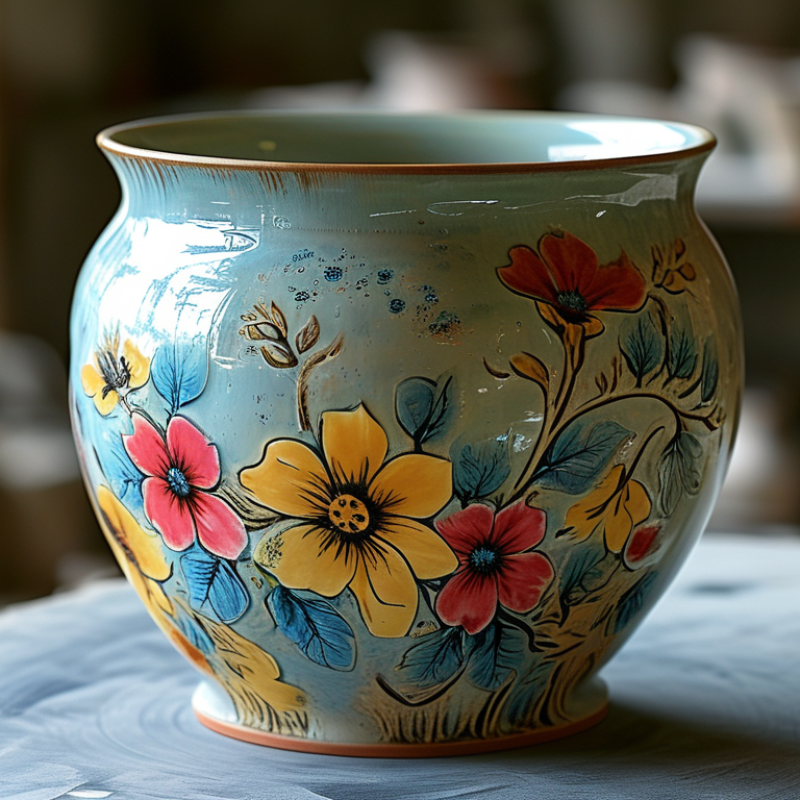
Understanding Digital Printing Technology for Ceramics
Digital printing technology for ceramics has transformed how artists and manufacturers create designs. This method uses inkjet printing to apply images directly onto ceramic surfaces. It enables high-resolution images with intricate details and vibrant colors. The process is efficient, allowing for quick turnarounds and less waste compared to traditional methods.
When considering digital printing for ceramics, it's important to understand ideal practices. Using high-quality materials can enhance the durability of printed designs. Experimenting with different textures and finishes can also yield unique results. Be aware that not all ceramic surfaces accept ink equally. Testing on sample pieces can help identify the best combinations.
Tips: Always check the compatibility of your inks with ceramic glazes. This can prevent issues later on. Regularly maintain your printing equipment to ensure consistent results. Keep a record of your best practices for future projects. Managing expectations is crucial. Not every print will turn out perfect on the first try, so be prepared for adjustments.
Advantages of Digital Printing on Ceramic Surfaces
Digital printing on ceramic surfaces has gained traction due to its unique advantages. This technology allows for intricate designs and patterns to be printed directly onto ceramics. According to a report from Smithers Pira, the market for digital printing on ceramics is expected to grow at a compound annual growth rate (CAGR) of 14.5% from 2021 to 2026. This growth indicates a rising demand for customization and personalization in ceramic products.
One major benefit of digital printing is its ability to produce vibrant colors and high-resolution images. Unlike traditional methods, digital printing can accommodate small runs and complex designs without sacrificing quality. Additionally, this process reduces waste, which is indeed a significant issue in conventional manufacturing. However, one must acknowledge the potential for color variations and other inconsistencies that may arise during production.
Tips: When considering digital printing, ensure that ceramic surfaces are properly prepared. This preparation enhances adhesion and durability. Regular maintenance of printing equipment is also crucial to prevent downtime and maintain print quality.
Moreover, the flexibility of digital printing allows for rapid prototyping. This means manufacturers can quickly adapt designs based on consumer feedback. While this adaptability is a strength, it also requires a willingness to iterate. Embracing changes can lead to unforeseen challenges that test a company's resilience and creativity.
Common Applications of Digital Printing in Ceramics
Digital printing on ceramic surfaces brings innovation to various industries. This technology allows for intricate designs and vibrant colors on tiles, crockery, and other ceramic items. The capability to create personalized designs makes it an attractive option for artists and manufacturers alike.
Common applications of digital printing in ceramics include home decor and fine art. Customized tiles can transform living spaces, offering unique aesthetics. In the realm of art, ceramic pieces can showcase detailed artwork, making them desirable to collectors and galleries. Food-safe ceramic printing ensures that custom dinnerware is not only beautiful but also functional.
Tips: When choosing designs for digital printing, consider contrasting colors for greater impact. Test print samples to see how designs translate onto ceramics. Take time to reflect on which patterns resonate with your style, as this can enhance the overall outcome.
Comparing Digital Printing to Traditional Ceramic Printing Methods
Digital printing on ceramic surfaces has become increasingly popular. Unlike traditional printing methods, digital printing uses technology to apply designs directly onto ceramics. This approach offers a range of benefits that are hard to ignore.
For one, digital printing allows for intricate, high-definition designs. Reports indicate that this method can produce images with a resolution of up to 1200 dpi. Traditional methods often struggle to achieve such detail. Furthermore, digital printing is more environmentally friendly. It reduces waste by using only the necessary amount of ink. In contrast, conventional techniques generate more scrap and require extensive setup.
Moreover, digital printing excels in customization. Clients can order small batches with unique designs. A study found that 70% of consumers prefer customized products over mass-produced items. However, the reliance on technology can pose challenges. Issues like printer maintenance and design software complexity can affect production timelines. Many professionals note that while digital printing offers flexibility, it requires a learning curve to master. Balancing technology with traditional craftsmanship is key to optimizing results.
Future Trends in Digital Printing for Ceramic Products
Digital printing on ceramic surfaces is evolving rapidly. Recent industry reports indicate a projected growth of approximately 10% annually in this sector. As technology advances, the capabilities of digital printing improve. This growth opens new opportunities for personalization in ceramic products. For instance, decorators can now use a broader color palette than ever before.
Despite these advancements, challenges remain. The durability of digital prints on ceramics can vary. Certain inks may not withstand harsh environmental conditions. Additionally, achieving perfect adhesion can sometimes be problematic. Manufacturers must continually test new materials to enhance performance.
Future trends suggest a rise in eco-friendly inks and processes. Sustainability is becoming a priority in production. According to recent surveys, over 70% of consumers prefer environmentally conscious products. This shift encourages companies to innovate and adapt. Digital printing technology is expected to integrate more with automation. This integration may lead to streamlining the production process, making it more efficient and cost-effective.
FAQS
: It uses inkjet printing to apply images directly onto ceramic surfaces.
It enables high-resolution images with intricate details and vibrant colors.
Use high-quality materials for better durability of printed designs.
Not all ceramic surfaces accept ink equally; testing helps find the best combinations.
Regularly maintain your printing equipment and monitor compatibility with glazes.
Some inks may struggle with adhesion or lack durability under harsh conditions.
There is a rise in eco-friendly inks and processes, focusing on sustainability.
It is increasingly valued; consumers prefer unique designs and products.
Automation may streamline production, making it more efficient and cost-effective.
Not every print will be perfect; be prepared for adjustments and learning.
Conclusion
Digital printing on ceramic surfaces is a modern technology that revolutionizes the way designs are applied to ceramics. It utilizes advanced printing techniques to directly transfer images and patterns onto ceramic materials, providing high-resolution, vibrant prints with unparalleled precision. The advantages of digital printing include the ability to produce customized designs quickly, reduce waste, and eliminate the need for complex setup processes typically associated with traditional printing methods.
Common applications of digital printing in ceramics are seen in home décor, tiles, and art pieces, where personalization and intricate detail are increasingly demanded. Compared to traditional ceramic printing methods, digital printing offers greater flexibility, faster turnaround times, and enables intricate designs that were previously difficult to achieve. As the industry evolves, future trends indicate that digital printing will continue to expand, pushing the boundaries of creativity and innovation in ceramic products. Understanding what is digital printing on ceramic surfaces allows manufacturers and consumers alike to appreciate the capabilities and benefits of this cutting-edge technology.

 Magly Printer