Digital printing on ceramic surfaces is a fascinating process that merges technology with art. So, what is digital printing on ceramic surfaces? This method uses specialized printers to apply designs directly onto ceramics. It allows intricate patterns and colors, offering more creative freedom compared to traditional techniques.
With digital printing, the possibilities seem endless. Designers can experiment with textures and images that were once difficult to achieve. This innovation has transformed ceramics from simple objects into stunning pieces of art. However, not all digital prints are perfect. Occasionally, colors may not match expectations or details can be blurred.
These imperfections prompt artists to refine and rethink their designs. Beyond its flaws, digital printing on ceramic surfaces still captivates. It invites both creators and viewers to appreciate the marriage of technology and craftsmanship, even when the results are not flawless.
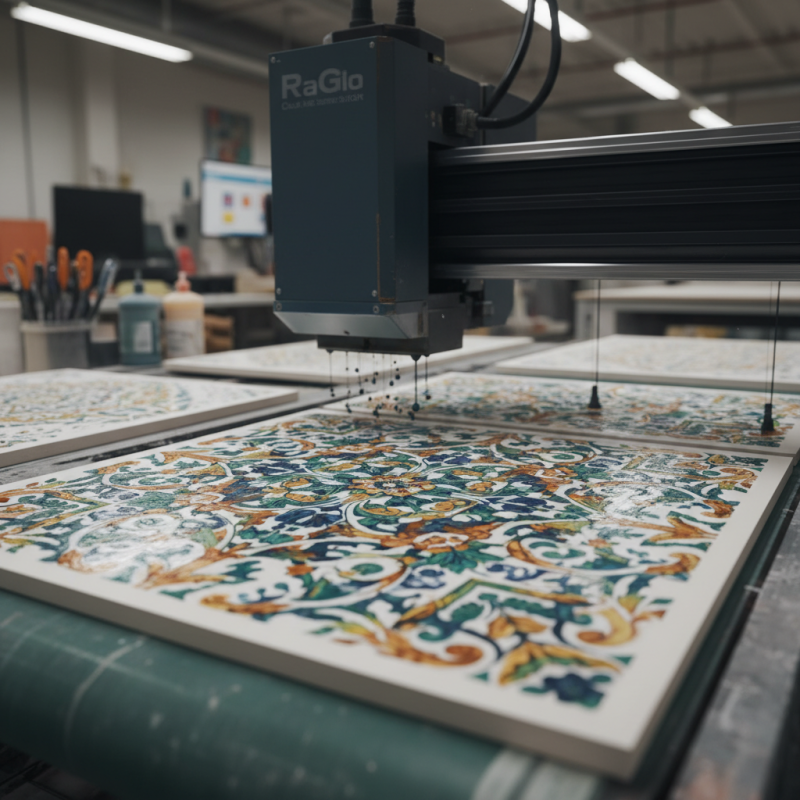
Digital printing technology in ceramics has transformed how designs are applied to surfaces. This method enables high-resolution images to be printed directly onto ceramic materials. According to a recent industry report, the global digital ceramic printing market is expected to grow by 25% annually, reflecting a surge in demand for customized designs.
This technology allows for vibrant colors and intricate patterns that traditional methods cannot achieve. However, challenges remain. Not all printing techniques ensure durability and longevity of the print. Some surfaces may reject ink or produce unsatisfactory results. It's crucial for manufacturers to choose suitable substrates and inks.
Environmental concerns are also prevalent. Many printers produce waste or rely on chemicals that can harm the ecosystem. The industry must innovate to adopt more sustainable practices. A study shows that around 30% of ceramic waste in production is due to poor printing methods. Finding solutions to reduce this waste is essential. As technology advances, balancing quality, sustainability, and cost will be fundamental.
Digital printing on ceramic surfaces has transformed the industry in recent years. It allows for
intricate designs and vibrant colors.
According to a report by Smithers Pira, the $3.1 billion digital ceramic printing market is expected
to reach by 2025. This growth reflects the increasing demand for
customizable ceramic products.
One key advantage of this printing method is its efficiency.
Traditional methods often require lengthy setup times. In contrast, digital printing can produce
short runs with quicker turnaround times. This can reduce waste significantly.
A study highlighted that digital printing is 30% faster than conventional techniques.
However, not all results are perfect. The durability of certain digital prints can
sometimes be less than that of traditional options. These factors encourage industry players to continuously improve.
Customization is another essential benefit. Digital printing enables
personalized designs easily. Consumers can choose their
patterns, colors, and sizes. Research shows that 60% of consumers prefer
unique designs over standard options. But achieving consistency
can be challenging. Color matching issues may arise, affecting overall
aesthetic quality. The industry must address these hurdles to advance.
Digital printing on ceramic surfaces has revolutionized the way design and artistry come to life. Common techniques include inkjet, dye-sublimation, and UV printing. Each method offers unique benefits and challenges. Inkjet printing is favored for its precision. This technique uses microscopic nozzles to create intricate designs. It's ideal for small batches but may face quality issues with larger prints.
In the market, about 30% of ceramic products are now produced using digital printing technologies. According to industry reports, this number is expected to grow by 25% over the next few years. Dye-sublimation is popular for photo-realistic images but requires a special coating. This adds complexity and increases production time. UV printing provides a robust finish but can be costly, limiting its use in some applications.
Choosing the correct equipment is crucial. Not all printers can handle varying ceramic shapes or sizes. Many users find some printers underperform in color accuracy or durability. Moreover, maintenance is often neglected, leading to unsatisfactory results. Optimizing techniques and equipment remains an ongoing challenge in this evolving field. The push for sustainable practices is also urging the industry to rethink material choices and waste management.
Digital ceramic printing is revolutionizing the industry. The market is experiencing rapid growth due to advancements in technology. The adoption of digital processes allows for intricate designs and customization. It provides more artistic freedom than traditional methods.
Recent statistics show a significant uptick in demand. Many industries, including interior design and home decor, are leveraging this technology. Customization trends are driving consumers to seek unique designs. The global market is expected to expand in the coming years.
Tips for embracing this trend: First, explore digital printing services available in your area. Research local artists and designers who specialize in custom work. Consider the types of ceramic surfaces you want to print on. Imperfections in prints may occur, so choose experienced professionals. Lastly, don't shy away from experimenting with designs to find what resonates with you.
Digital printing on ceramic surfaces offers unique possibilities in home decor and industrial applications. This method allows vivid images and intricate designs to be transferred onto tiles, tableware, and more. In homes, personalized ceramic items can transform spaces. Custom tile murals or uniquely designed mugs add a touch of individuality.
In industrial settings, digital printing serves practical needs. It allows for high-volume production while maintaining quality. Manufacturers can quickly adapt designs for different products, reducing waste. However, achieving perfect color reproduction can be challenging. Sometimes the final product does not match the initial design. Testing samples is crucial to avoid surprises.
Tips: Always choose high-resolution images for printing. This enhances clarity and vibrancy. Regularly maintain printing equipment to ensure consistent results. Consider experimenting with various finishes to see what complements your design best. Embrace the imperfections; they often add character to the final product.
: Digital printing allows for intricate designs and vibrant colors, transforming the industry.
Digital printing is 30% faster and produces short runs quickly, reducing waste significantly.
Yes, consumers can choose patterns, colors, and sizes, making personalized designs easy.
Common techniques include inkjet, dye-sublimation, and UV printing, each having its pros and cons.
Yes, color matching can be inconsistent, affecting the overall quality of prints.
About 30% of ceramic products use digital printing, and it's expected to grow by 25% in coming years.
Consumers should explore local services, check for experience, and account for potential print imperfections.
Dye-sublimation requires special coatings, which can increase production complexity and time.
Neglecting maintenance can lead to unsatisfactory results, impacting color accuracy and durability.
Experiment with designs and find local artists who offer custom printing services.
Digital printing on ceramic surfaces has revolutionized the way we approach design and manufacturing in the ceramics industry. This technology allows for high-resolution images and intricate patterns to be applied directly onto ceramic materials, providing a level of customization and detail that traditional methods cannot achieve. Key advantages of digital printing include enhanced design flexibility, reduced waste, and faster production times, making it an appealing choice for both home decor and industrial applications.
As for the common techniques and equipment used in this process, printers specifically designed for ceramics utilize specialized inks and substrates to ensure durability and vibrancy. The market for digital ceramic printing is experiencing significant growth, driven by increasing demand for personalized products and innovative design solutions. By understanding what is digital printing on ceramic surfaces, stakeholders can better position themselves in this evolving market, leveraging the technology for a wide range of applications.

Magly Printer