Why Is Digital Printing Popular in Ceramic Decoration?

Time:2026-11-15 Author:Mason
0%

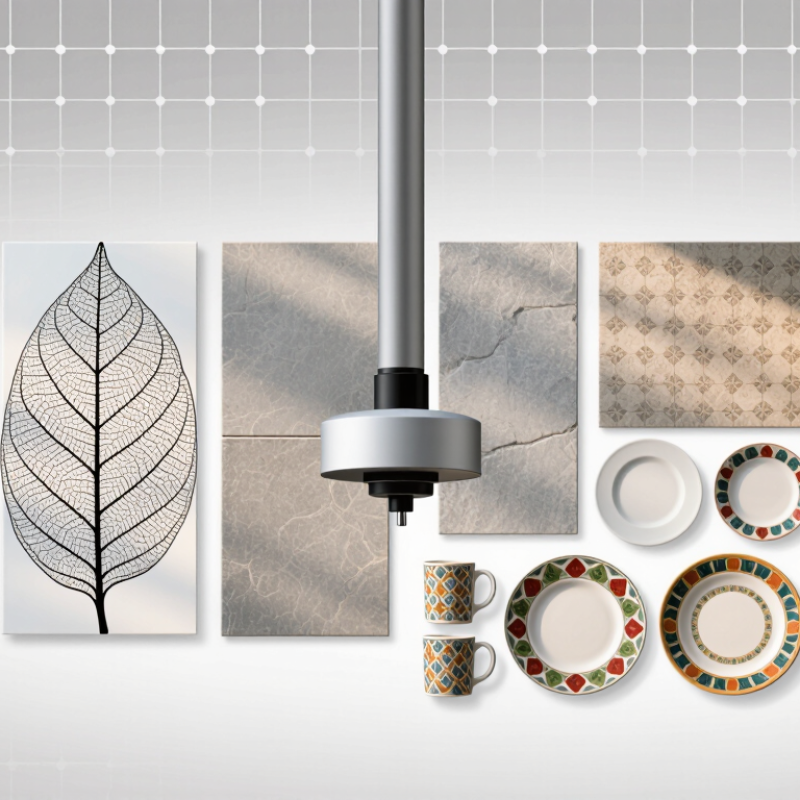
Digital printing has become a practical option for decorating ceramic tiles, tableware, and architectural surfaces. It can reproduce fine lines, subtle color shifts, and detailed patterns directly onto prepared ceramic bodies or glaze layers. A leaf vein, stone texture, or small repeat motif can appear crisp across a broad surface. That visual flexibility helps explain why digital printing is popular in ceramic decoration.

The process also makes design changes easier. Manufacturers can adjust artwork without preparing a separate screen or roller for every pattern, which can suit short runs and varied collections. Digital equipment may also help reduce setup time and material waste, though results depend on the printer, inks, glaze, and firing conditions. The technology is not a magic shortcut. Colors can shift after firing, and an image that looks rich on screen may lose contrast on a textured tile. Careful testing matters.

Understanding its appeal requires looking beyond convenience. Print resolution, ink compatibility, surface preparation, and kiln temperature all affect the finished piece. A glossy kitchen backsplash and a matte floor tile may need different design choices. Small test samples can reveal problems before a full production run begins. That takes time. Digital printing also has costs and technical limits, so it may not suit every factory or product. A balanced view helps designers and buyers judge where it offers real value—and where traditional decoration may still work better.
Why Is Digital Printing Popular in Ceramic Decoration?

What Digital Printing Means in Ceramic Decoration

Digital printing in ceramic decoration means applying a digital image to a tile through inkjet printheads. Tiny droplets of ceramic ink are placed on the surface according to a prepared image file. The inks contain mineral pigments selected to withstand the high temperatures of firing. After printing, the tile may receive glaze and pass through a kiln, where the decoration becomes part of the finished surface. Exact steps vary with the tile body and production line.

This method lets manufacturers reproduce fine lines, soft color changes, and detailed stone or wood patterns across many tiles. A print file can also be adjusted without making a new physical screen or roller. That matters for short runs. Not magic. The final color still depends on the glaze, surface texture, ink amount, and firing conditions; a screen preview can be misleading. A pale gray on a monitor may emerge warmer after firing. Even small changes in kiln temperature can affect the result, so test tiles and careful color checks remain useful. Digital printing gives designers flexibility, but it does not remove the need for process control. And some subtle textures still look a little too flat.

How Digital Printing Transfers Designs onto Ceramic Surfaces

Why Is Digital Printing Popular in Ceramic Decoration?

How Digital Printing Transfers Designs onto Ceramic Surfaces

Digital decoration begins with a digital image, converted into instructions for a printhead. As a tile moves beneath it, tiny droplets of ceramic ink land in precise positions. The ink usually contains colored mineral pigments suspended in a liquid carrier. A 2022 technical review of ceramic inkjet printing describes drop volumes commonly ranging from about 6 to 100 picolitres. That small scale helps create fine veins, soft color shifts, and wood-like grain. It is not magic; nozzle condition and ink flow matter.

After printing, the tile passes through drying and firing. Heat removes the carrier and bonds the pigments into the glaze or surface layer. The finished pattern is durable, but the result depends on more than the image file. Glaze texture, tile speed, printhead alignment, and firing conditions can all change color or detail. A pale vein may become less visible after firing. That can happen.

Tips: Check a fired sample, not just an on-screen preview. Keep the tile surface clean and confirm that ink, glaze, and firing settings are compatible. Small test runs can reveal banding or color shifts before full production.

Which Benefits Make Digital Printing Popular in Ceramic Decoration

Digital printing is popular in ceramic decoration because it transfers detailed artwork directly onto tile surfaces. A decorator can adjust a pattern on screen without preparing a separate printing screen for every design. This makes short runs and frequent artwork changes more practical. A small batch can feature a distinct border, varied motif, or room-specific color palette. Less setup can mean less time spent preparing each design.

The detail is useful on real surfaces. Fine lines, soft gradients, and small lettering can appear on a backsplash tile or a decorative panel. Digital files also help maintain repeat patterns across a production run, though careful calibration still matters. Color depends on the tile body, glaze, ink, and firing conditions. A screen preview cannot fully predict the fired result. Test tiles help.

The process is not effortless. Nozzle maintenance, surface preparation, and firing control affect the final finish. Even a well-prepared image may look different after firing. That can be frustrating. Digital printing offers flexibility, but it does not replace material testing or skilled judgment. Decorators still need to check adhesion, color consistency, and how the pattern reads under everyday lighting.

Where Digital Printing Is Used in Ceramic Decoration

Digital printing is used on ceramic wall and floor tiles, especially in kitchens, bathrooms, and commercial interiors. It can reproduce stone veining, fine lines, and repeating geometric patterns directly on tile surfaces. A designer can vary the image across a batch, creating a feature wall without changing the tile body. Small details matter. Grout width and lighting can alter how a printed pattern looks once installed.

Decorative panels, mosaics, and some tableware also use digital decoration. On panels, large images can continue across several pieces, though alignment needs careful planning. On tableware, the decoration process must suit the ceramic surface and firing conditions. Not every image or ink works on every glaze. That limitation is easy to overlook.

Tips: Ask for a fired sample, not just a screen image. Check color under the room’s actual lighting, and inspect the printed surface for texture or wear requirements. For a tiled mural, confirm the installation sequence before production. A small mismatch can disrupt the whole image.

Why Is Digital Printing Popular in Ceramic Decoration?

Where digital printing is used in ceramic decoration

Digital printing is used to decorate a range of ceramic products, including tiles, slabs, mosaics, sanitaryware, and tableware. A value of 1 indicates an established application; it does not represent market share, production volume, or popularity.

What Factors Affect the Quality of Digital Ceramic Printing

Why Is Digital Printing Popular in Ceramic Decoration?

What Factors Affect the Quality of Digital Ceramic Printing

Digital printing can reproduce fine lines, subtle gradients, and detailed patterns on ceramic surfaces. Yet a sharp image on screen does not guarantee a sharp result on tile. File resolution, color settings, and the printer’s calibration all matter. Small errors show quickly across a large, glossy surface.

The tile itself is part of the process. Glaze texture, dust, moisture, and surface coatings can affect how evenly ink settles. A smooth, clean tile usually gives more consistent coverage. Color profiles also need to match the inks and ceramic body; otherwise, a warm beige may fire closer to gray. Test prints help catch these surprises.

Firing changes everything. Temperature, kiln atmosphere, and time can shift colors or soften fine details. Keep firing conditions consistent, and compare samples after they cool—not just before they enter the kiln. One tile can look perfect. A full batch may tell a different story. That gap is worth examining. Careful records of settings, materials, and fired samples make adjustments more reliable, though no single setting suits every glaze or tile.

Why Is Digital Printing Popular in Ceramic Decoration? - What Factors Affect the Quality of Digital Ceramic Printing

Category Dimension Practical Indicator or Process Detail Effect on Popularity or Print Quality
Why it is popular Design flexibility Artwork can be changed digitally without preparing a new screen or printing plate for each design. Makes design changes, customized patterns, and shorter production runs more practical.
Why it is popular Fine detail and tonal variation Inkjet systems can place small droplets in controlled patterns to reproduce fine lines, gradients, and complex imagery. Supports detailed decoration that can be difficult to achieve consistently with some conventional methods.
Why it is popular Production changeovers Changing the digital file can reduce the need for physical tooling changes between designs. Can simplify changeovers and make product variation easier to manage.
Quality factor Ceramic ink compatibility Ink formulation must suit the body, glaze, printer system, and firing conditions. Poor compatibility can cause weak color, defects, or inadequate bonding after firing.
Quality factor Substrate and glaze surface Surface cleanliness, moisture, texture, and glaze condition should be controlled before printing. Contamination or inconsistent surfaces can affect ink laydown, edge definition, and decoration uniformity.
Quality factor Firing profile Peak temperature, heating and cooling rates, and kiln atmosphere must match the ceramic body, glaze, and ink. Firing changes the final appearance and can affect color development, surface finish, and decoration durability.
Quality factor Color management Use calibrated print settings and test samples fired under the intended production conditions. Helps account for color shifts between the digital preview, unfired print, and fired ceramic.
Quality factor Printhead condition and alignment Nozzle checks, cleaning, and alignment verification help maintain consistent droplet placement. Blocked or misaligned nozzles may produce missing lines, banding, or uneven coverage.
Quality factor Artwork resolution and setup Prepare files at an appropriate size and resolution, and check scaling, repeat length, and placement. Correct file preparation reduces pixelation, distortion, and registration errors.
Quality factor Line speed and ink deposition Printer speed, pass settings, and ink laydown should be balanced for the material and required detail. Excessive speed or unsuitable deposition settings can reduce coverage or detail consistency.
Quality factor Environmental and handling conditions Follow the ink and equipment requirements for temperature, humidity, storage, and handling. Stable conditions help maintain ink behavior and repeatable production results.

FAQS

How does digital printing decorate ceramic tiles?

Inkjet printheads place tiny droplets of mineral-based ceramic ink onto a tile, following a prepared image file. The tile may then receive glaze and pass through a kiln. The fired decoration becomes part of its surface.

What kinds of designs can digital printing reproduce?

It can reproduce fine lines, soft color changes, stone veining, wood patterns, and repeating geometric motifs. Small lettering can also appear on decorative tiles. Not magic.

Why is digital printing useful for small batches?

Designers can adjust a digital file without making a new screen or roller. That makes short runs and frequent pattern changes more practical. A small batch can have its own border or color palette.

Will a screen preview match the fired tile color?

Not always. Glaze, tile texture, ink amount, and kiln conditions can shift the result. A pale gray on screen may look warmer after firing. Test tiles help.

Where is digital ceramic decoration commonly used?

It appears on wall and floor tiles in kitchens, bathrooms, and commercial interiors. It is also used for decorative panels, mosaics, and some tableware.

What should be checked before installing a printed tile mural?

Confirm the installation sequence and how images align across panels. Grout width and room lighting can change the pattern’s appearance. A small mismatch can disrupt the whole image.

Does digital printing remove the need for production checks?

No. Nozzle care, surface preparation, and firing control still matter. Check adhesion, color consistency, and wear needs. Some subtle textures may look flatter than expected.

Conclusion

Digital printing has transformed ceramic decoration by allowing designs to be applied directly to tile and other ceramic surfaces with precision. The process uses digital images and specialized printing equipment to place patterns, colors, and fine details onto a ceramic surface, often before it is finished. This approach makes it easier to create intricate visuals and adapt designs without relying on fixed, repetitive patterns.

The reasons why digital printing is popular in ceramic decoration include its design flexibility, detailed results, efficient production, and ability to support a wide range of colors and textures. It is used for decorative tiles, wall and floor coverings, and other ceramic products. Print quality depends on factors such as image resolution, surface preparation, ink compatibility, equipment settings, and firing conditions. Together, these considerations help determine how accurately a design appears and how well it performs on the finished ceramic piece.

Mason

Mason

Mason is a seasoned marketing professional with a deep expertise in the company's offerings and a passion for driving brand awareness. With a strong background in digital marketing strategies, he has an innate ability to connect with diverse audiences and effectively communicate product benefits.......