In today's fast-evolving manufacturing landscape, industrial inkjet printing is witnessing significant advancements. Businesses are increasingly adopting this technology to enhance efficiency and reduce costs. According to a report from Smithers Pira, the market for industrial inkjet printing is expected to grow to $3.5 billion by 2025, highlighting its rising significance. So, what are the latest trends in industrial inkjet printing?
One major trend is the integration of digital technologies into traditional printing processes. Companies are seeking solutions that offer customization and reduced lead times. Innovations like high-speed printing heads and eco-friendly inks are also shaping the market. Additionally, the rise of smart factories is pushing for more automated systems. However, there are challenges, including the need for skilled technicians to operate complex machinery effectively.
As industries continue to explore these trends, they must remain vigilant. The rapid pace of change can lead to implementation issues and dependency on technology. An awareness of market shifts is crucial for success. Understanding what are the latest trends in industrial inkjet printing equips businesses to make informed decisions and maintain competitive advantages.
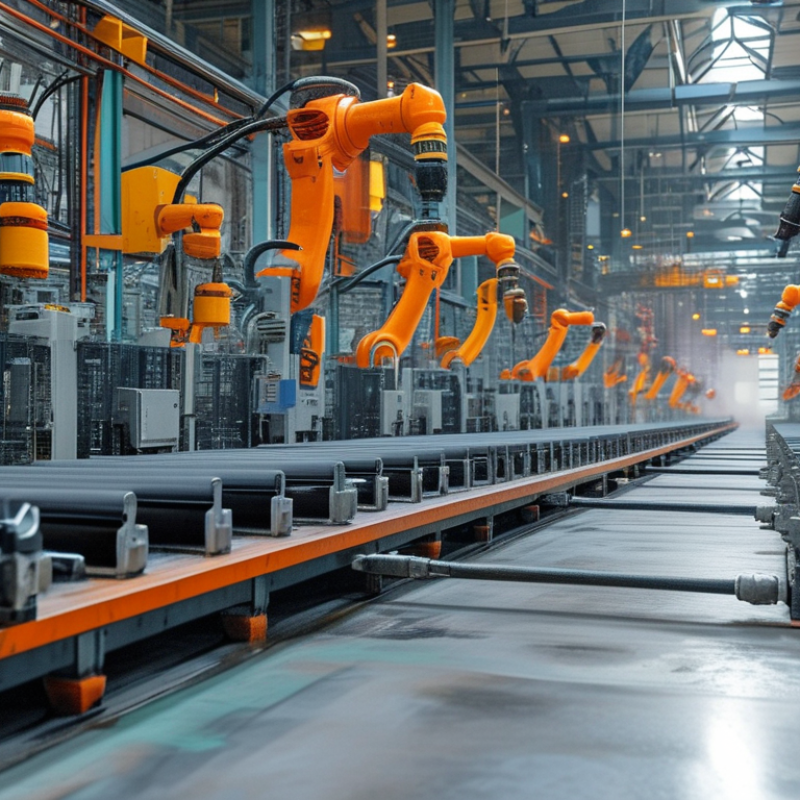
Emergence of Eco-Friendly Inks in Industrial Inkjet Printing
The industrial inkjet printing landscape is rapidly evolving. One significant trend is the rise of eco-friendly inks. These inks are formulated with sustainable materials, aiming to reduce environmental impact. According to a report by Smithers Pira, the global market for eco-friendly inks is projected to grow at a compound annual growth rate (CAGR) of 5.2% from 2021 to 2026. This increase reflects the industry’s shift toward more sustainable practices.
Eco-friendly inks are not only better for the environment but also cost-effective. Many manufacturers report that using these inks results in lower waste. The print quality has improved as well. A recent study indicated that 70% of users found eco-friendly inks to meet or exceed their quality expectations. However, challenges remain. Some companies still hesitate to adopt these inks due to concerns about compatibility with existing printing systems.
The adoption of eco-friendly inks is not universal. While some industries embrace this shift, others lag behind. There is still a need for more education on the benefits of these inks. Education can help businesses make informed decisions. The eco-friendly ink market holds promise, but careful consideration is necessary for a full transition. This shift requires both technical and market readiness.
Advances in Printhead Technology Enhancing Speed and Quality
Advancements in printhead technology are revolutionizing industrial inkjet printing.
Modern printheads now achieve higher speeds and better quality outputs. Recent studies show that some printheads can reach speeds up to 100 meters per minute, which is a significant improvement over previous models.
With the development of piezoelectric and thermal inkjet technologies, print quality has also advanced. For instance, a report indicated that ink droplet sizes can be as small as 1 picoliter, enabling more precise and vibrant color application.
This precision minimizes ink waste and ensures consistency across large production runs.
However, these advancements come with challenges.
The need for compatible ink formulations is a growing concern. Many manufacturers struggle to balance speed and quality while avoiding operational issues, such as clogging and maintenance downtime.
The industry must address these practical difficulties to fully leverage advanced printhead capabilities.
Integration of AI and Automation in Inkjet Printing Processes
The integration of AI and automation in inkjet printing processes
has transformed the industry. Companies are now leveraging machine learning algorithms to enhance
print quality and speed. Automated systems allow for real-time monitoring of printing conditions.
This leads to a more consistent output and minimizes human error. Implementing AI can help predict
equipment failures before they happen. Such proactive maintenance reduces downtime and increases
productivity.
However, the transition to AI-driven processes isn’t without challenges.
Integrating these technologies requires a skilled workforce familiar with both printing and automation.
Training staff can be time-consuming and costly. Additionally, the technology must be continuously
updated to keep pace with industry advancements. Not all businesses may have the resources to invest
in these upgrades. As a result, some companies may struggle to stay competitive in a rapidly evolving market.
AI and automation bring great potential but also necessitate careful consideration.
Companies must weigh the benefits against the risks. Balancing innovation with practical limitations is a
complex task. Ultimately, the goal is to improve efficiency and quality while maintaining reliability
in the printing process.
Growth of Customization and On-Demand Printing Solutions
The rise of customization and on-demand printing solutions marks a significant shift in industrial inkjet printing. Companies are increasingly seeking ways to tailor their products to specific customer preferences. This shift is driven by the demand for unique packaging, labels, and personalized products. Inkjet printing technology allows for easy adjustments and high-quality outputs that meet diverse requirements.
Today’s consumers value individuality. They want products that reflect their tastes and identities. As a result, businesses are adopting on-demand printing, reducing waste and inventory costs. A flexible production process is essential. While this approach can enhance customer satisfaction, it may also strain production capabilities. Companies need to invest in training and technology to adapt.
Customization can enhance brand loyalty but also poses challenges. Managing varying order volumes is not always straightforward. It requires efficient workflow systems to ensure timely deliveries. Moreover, maintaining print quality across various products can be complex. Many businesses are still navigating these hurdles as they embrace this trend. An ongoing learning process is crucial for sustainable growth in this evolving market.
Adoption of Multi-Function Printing Systems in Industrial Applications
The adoption of multi-function printing systems is transforming industrial inkjet printing. These systems combine several features in one machine. They enhance efficiency and reduce space requirements. Manufacturers are increasingly recognizing their benefits. This trend is pivotal for modern production lines.
Multi-function systems are not just versatile but also reliable. They can handle various materials. This includes packaging, textiles, and labels. Companies can adjust settings instantly, ensuring high-quality prints. However, integrating these systems may pose challenges. Staff training is essential for optimal use. The initial setup costs can be significant.
Despite these hurdles, the advantages are clear. Increased productivity often offsets the investments. A comprehensive approach is necessary for proper utilization. Without proper planning, companies may struggle with these technologies. Embracing change is vital in this competitive environment. Adaptation is key to reaping the full benefits of multi-function printing.
Top 10 Latest Trends in Industrial Inkjet Printing
FAQS
I impacted inkjet printing processes?
Businesses need a skilled workforce for AI and automation. Training can be costly and time-consuming.
Proactive maintenance can predict equipment failures. This reduces downtime and boosts overall productivity.
Consumers want products that reflect their tastes. Unique packaging and personalized items are increasingly popular.
Balancing order volumes can be complex. It may strain production and workflow systems.
Maintaining quality across diverse products is challenging. Companies must invest in efficient systems and training.
Some businesses may lack resources for technology upgrades. Staying competitive in a fast-evolving market is tough.
Staff training ensures everyone understands the technology. It is vital for seamless operation and productivity.
On-demand printing minimizes waste and lowers inventory costs. It leads to a more efficient production process.
The industry is constantly evolving. Companies need to adapt to stay successful and enhance their offerings.
Conclusion
In the rapidly evolving world of printing technology, businesses are increasingly asking, "what are the latest trends in industrial inkjet printing?" One significant trend is the emergence of eco-friendly inks, which prioritize sustainability without compromising on print quality. Additionally, advancements in printhead technology are enhancing both the speed and quality of prints, making industrial processes more efficient.
Moreover, the integration of artificial intelligence and automation is streamlining inkjet printing processes, leading to greater precision and less waste. The demand for customization and on-demand printing solutions is also on the rise, allowing companies to cater to specific client needs more effectively. Finally, the adoption of multi-function printing systems is transforming industrial applications by combining various printing capabilities into a single system, thereby increasing versatility and reducing operational costs. These trends collectively indicate a shift towards more efficient, sustainable, and customer-centric printing practices.

 Magly Printer