Manufacturers often search for practical ways to control rising production costs without weakening product quality. Digital printing offers a flexible option, especially for brands ordering packaging, labels, textiles, or promotional materials from experienced Chinese suppliers. The central question is simple: how to reduce production costs with digital printing while protecting color accuracy, delivery schedules, and customer trust?
Digital printing can reduce setup expenses because it does not require traditional printing plates. This advantage becomes valuable for short runs, seasonal designs, product testing, and frequent artwork changes. A supplier can print several versions without creating separate plate sets. That reduces waste and supports faster market response. It also helps businesses avoid large inventories of outdated packaging.
However, a low unit price does not always mean lower production costs. The hidden cost? Reprints, color differences, shipping delays, and weak communication. Professional buyers should request physical samples, confirm file requirements, and review ink, substrate, and finishing specifications. Comparing quotes only by price can produce disappointing results.
Reliable Chinese digital printing companies usually provide documented quality procedures, production photos, sample approvals, and clear inspection standards. Buyers should also examine certifications, export experience, and customer feedback. A factory visit or third-party inspection may add a small expense, but it can prevent larger losses. No supplier is perfect. Even experienced teams can misunderstand a color reference or delivery detail. Written approvals and regular updates reduce that risk.
With careful supplier evaluation, accurate artwork, and realistic order planning, digital printing can support both cost control and consistent quality. The strongest savings come from better decisions, not simply cheaper quotes.
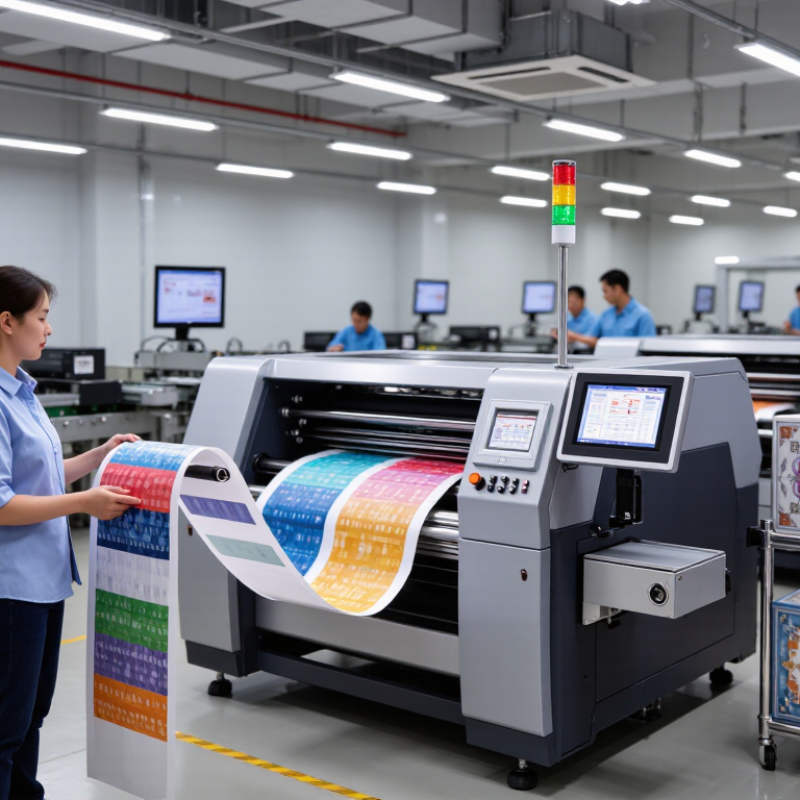
China's digital printing cost advantage starts with production density. Printers can source paper, inks, finishing services, and packaging through established regional supply chains. Shorter supplier distances often reduce handling, storage, and coordination costs. Digital presses also avoid plates, making short runs more affordable than traditional setups. This matters for catalogs, labels, sample books, and seasonal packaging with changing artwork.
A reliable cost comparison should separate unit price from total landed cost. Request quotes listing setup, proofing, color matching, finishing, packing, freight, and inspection. For example, a 1,000-copy order may require heavier paper and protective cartons. Those details can erase a low headline price. Batching several designs may improve press efficiency, while print-on-demand can limit unsold inventory. Request a physical proof. It reveals color shifts, trimming errors, and paper behavior before mass production.
Quality control remains essential. Use approved specifications, measurable tolerances, and dated inspection photos. Experienced buyers should compare color standards and delivery records, not promises alone. China is not automatically the cheapest option. Small orders, urgent shipping, or complex finishing can change the calculation. Production teams often see budgets fail when revisions are treated as free. Clear artwork deadlines and revision limits can prevent recurring charges.
Choosing the right printing method can reduce production costs more effectively than simply seeking the lowest unit price. Digital printing suits short runs, variable artwork, and frequent product changes. It removes plate preparation and reduces setup waste. This matters when a Chinese production line must supply several designs in one week.
Smithers estimated the global digital print market at about US$167 billion in 2022. Its industry forecast also indicates continued growth through 2027. The signal is clear. Digital demand is expanding, but it is not automatically cheaper. For large, stable orders, offset or flexographic printing may still deliver a lower unit cost. The decision should compare setup fees, material waste, labor, shipping, and reprint risk.
Ask for a physical proof before approving full production. Check color consistency under actual store lighting. Measure ink coverage on the chosen paper, film, or board. FESPA’s 2023 Print Census reported that many printers were investing in automation and digital workflows to improve efficiency. That investment can shorten approval cycles, especially for customized packaging. Still, a fast press cannot repair poor files or unclear specifications.
Short runs need flexibility. Large runs need discipline. A practical quotation should show break-even volumes for each method. That number may change after testing. It often does. Production teams sometimes overestimate savings from bulk purchasing and overlook storage costs. A smaller digital batch can be more expensive per unit, yet cheaper overall when demand remains uncertain.
How to Reduce Production Costs With Top China Digital Printing
Digital printing can reduce production costs when material choices match the product’s real purpose. In China digital printing projects, teams often compare paper weight, coating, ink coverage, and finishing before approving samples. A lighter paper may lower shipping costs, but it can also feel weak in the customer’s hands. That trade-off deserves testing.
Start with materials that support the design instead of hiding poor planning. Uncoated stock can suit notebooks, inserts, and textured packaging with limited color coverage. Coated paper may produce sharper images, but heavy ink areas can increase drying time and surface costs. Ask for a physical proof under normal lighting. Screens can mislead you.
Design decisions also affect waste. Simple layouts, standard sizes, and shared color settings usually improve sheet utilization. Avoid tiny text and crowded edges, especially when trimming tolerances are limited. A two-millimeter adjustment may save several unused sheets per batch. It sounds minor. It adds up.
Order quantities require careful judgment. Digital printing supports smaller runs, so companies can test 300 units before committing to 3,000. This reduces outdated inventory when prices, packaging, or product details change. However, very small orders may carry higher setup and delivery costs per unit. Compare three quantities with the same specifications, including cartons and freight. One earlier estimate may still be wrong. Review it after the sample, not only before production.
| Optimization Area | Recommended Specification | Typical Baseline | Optimized Option | Estimated Unit-Cost Effect | Potential Material Waste | Practical Action |
|---|---|---|---|---|---|---|
| Paper Weight | Use 250–300 gsm cover stock for standard brochures and cards. | 350 gsm coated cover stock | 250–300 gsm coated or uncoated cover stock | Usually 8–20% lower | Lower sheet weight reduces material consumption. | Choose the lightest stock that still meets folding, durability, and postal requirements. |
| Paper Size | Select a press sheet that nests the finished artwork efficiently. | Small custom sheet with unused margins | Standard digital sheet with 2-up, 4-up, or 8-up imposition | Typically 5–18% lower | Cutting waste can fall from approximately 15% to 5–10%. | Ask for a nesting diagram before approving the final trim size. |
| Color Coverage | Limit large solid backgrounds and unnecessary full-bleed areas. | Full-page dark CMYK backgrounds | Selective color blocks with balanced white space | Approximately 3–10% lower | Less ink or toner consumption and fewer reprints caused by uneven coverage. | Keep critical color areas consistent and reserve dense coverage for high-impact elements. |
| Finishing | Use standard trimming, folding, and one-sided lamination where possible. | Foil, spot coating, die-cutting, and multiple folds | Standard cut, crease, fold, or matte lamination | Usually 10–35% lower | Fewer setup sheets and less finishing-related spoilage. | Reserve specialty finishing for covers, packaging fronts, or premium campaign pieces. |
| Artwork Design | Use a print-ready PDF with bleed and embedded fonts. | Files requiring repeated corrections | CMYK PDF, 3 mm bleed, 300 ppi raster images, outlined or embedded fonts | Can reduce prepress cost by 5–15% | Fewer proofing sheets and fewer rejected files. | Submit one approved master file and request a digital proof before production. |
| Order Quantity | Match the order to forecasted demand and storage capacity. | 500 finished pieces | 1,000–2,000 finished pieces | Often 12–30% lower per unit | Higher quantities reduce setup waste per finished unit. | Compare the extra inventory cost with the unit-price reduction before increasing quantity. |
| Version Management | Print common content together and personalize only the variable section. | Separate print runs for every language or location | Short digital runs with variable data or interchangeable inserts | Can reduce obsolete stock by 20–60% | Lower risk of discarding outdated versions. | Use digital printing for regional, language, date-sensitive, or personalized content. |
| Reorder Strategy | Reprint frequently changing materials in smaller batches. | Large annual order of 10,000 pieces | Quarterly digital reorders of 2,500 pieces | Higher unit price, lower total waste | Inventory write-offs can be avoided when information changes. | Use smaller repeat orders when product details, prices, or regulations may change. |
| Product Example | Quantity | Optimized Material | Estimated Printing Cost per Unit | Estimated Total Printing Cost | Cost per 1,000 Units |
|---|---|---|---|---|---|
| A4 folded brochure, four pages, full color | 500 | 170–200 gsm text paper | $0.32–$0.55 | $160–$275 | $320–$550 |
| A4 folded brochure, four pages, full color | 2,000 | 170–200 gsm text paper | $0.18–$0.34 | $360–$680 | $180–$340 |
| A5 postcard, two-sided full color | 1,000 | 250–300 gsm cover stock | $0.16–$0.30 | $160–$300 | $160–$300 |
| A5 postcard, two-sided full color | 5,000 | 250–300 gsm cover stock | $0.08–$0.17 | $400–$850 | $80–$170 |
Reducing production costs with China digital printing starts with supplier evaluation, not the lowest quotation. In production reviews, I compare equipment capacity, operator experience, and communication speed. Ask for a recent sample using your actual artwork, paper, colors, and finishing. A polished sample matters. Request a written quote separating setup, printing, finishing, packing, and freight. Confirm minimum order quantities and reprint policies. A low price can hide costly corrections. I have learned this the hard way.
Quality standards should be measurable. Check color consistency with approved proofs and agreed tolerances. For critical work, request color readings or a documented inspection report. Review paper weight, trim accuracy, coating adhesion, and barcode clarity. Ask whether inspections occur during production, not only before dispatch. Independent pre-shipment checks can add cost, but they may prevent a defective shipment. Certifications can support trust, yet certificates alone do not prove daily performance. Verify their scope, validity, and site details. Good records matter more.
Production efficiency depends on workflow discipline. A capable supplier confirms files quickly, flags missing fonts, and shares a realistic schedule. Digital printing suits variable data and shorter runs, but rushed approvals create waste. Use one controlled artwork version and approve a physical or calibrated digital proof. Track milestones from file receipt to packing. Compare promised lead times with actual delivery across several orders. The first project may not run perfectly. That is useful evidence. If delays are explained clearly and corrected, reliability may improve. If communication stays vague, savings are probably temporary.
How to Reduce Production Costs With Top China Digital Printing
Shipping can erase an attractive printing quote. The 2024 CSCMP State of Logistics Report valued United States business logistics costs at $2.3 trillion, or 8.7% of GDP. That figure shows why landed cost matters more than factory pricing. Request freight estimates before approving artwork. Compare sea, rail, and air options using carton dimensions, weight, delivery windows, duties, and local handling fees. My first shipping model was too optimistic. Port delays and split deliveries changed the result.
Quality control protects savings over several production cycles. Ask for a digital proof, color target, material sample, and signed approval record. Use measurable checks, such as color tolerance, trim accuracy, barcode readability, and packaging strength. ISO 2859-1 provides a recognized sampling framework for inspection. Smithers’ digital print market research also identifies short runs and variable production as major advantages of digital processes. However, lower setup costs do not excuse weak inspection. One reprint can destroy the original saving.
Tips: Keep one approved master file. Photograph packed cartons. Inspect a random sample before final payment. Record defects by cause, not only quantity. Use a small pilot order first. This feels slower. It can prevent expensive repetition. Review freight invoices every quarter. The 2023 UPS Annual Industrial Buying Report found that delivery performance strongly influences supplier decisions, so cheap production is not enough. Long-term savings require stable color, predictable packing, and fewer urgent shipments.
Dense regional supply chains can shorten distances for paper, ink, finishing, and packaging. Digital presses also avoid plate costs. This helps with short runs, changing artwork, catalogs, labels, and sample books.
Request separate prices for setup, proofing, color matching, printing, finishing, packing, freight, and inspection. A low unit price may hide expensive cartons or handling fees. Look beyond the headline number.
Include product price, carton weight, dimensions, freight, duties, local handling, and delivery timing. Compare sea, rail, and air options. My first shipping estimate was too optimistic.
A proof can reveal color shifts, trimming errors, coating problems, and paper behavior. Check it under suitable lighting. Do not approve only from a screen.
Review recent samples made with your artwork, paper, colors, and finishing. Ask about equipment capacity, operator experience, communication speed, minimum orders, and reprint policies. Promises alone are weak evidence.
Agree on color tolerances, paper weight, trim accuracy, coating adhesion, barcode clarity, and package strength. Request inspection records and dated photographs. Certificates help, but records matter more.
Batching several designs may improve press efficiency. Print-on-demand can reduce unsold inventory and storage pressure. It may cost more per copy, so compare the full result.
Use one approved artwork file and set clear revision limits. Confirm missing fonts, milestones, and realistic delivery dates. The first project may be imperfect. That is useful evidence.
Start with a small pilot order. Approve a proof, inspect random copies, photograph packed cartons, and check before final payment. Record defects by cause. One reprint can erase the original saving.
Reducing production expenses through digital printing begins with understanding the cost advantages of flexible, on-demand manufacturing. The key is to select the most suitable printing method according to order volume, turnaround time, product complexity, and required finish. Short runs can reduce setup waste and inventory costs, while larger orders may benefit from carefully planned production batches. Choosing efficient materials, simplifying designs when possible, and standardizing sizes or specifications can further improve cost control without sacrificing visual quality.
A reliable supplier should be evaluated through consistent quality standards, transparent pricing, modern equipment, and efficient production management. Clear specifications, sample approvals, and regular inspections help prevent costly reprints. Shipping costs can also be reduced through accurate packaging plans, consolidated deliveries, and realistic schedules. By coordinating materials, production, quality control, and logistics as one process, businesses can better understand how to reduce production costs with digital printing while maintaining dependable quality and building sustainable long-term savings.

Magly Printer