Choosing the right printing equipment is essential for success. At the upcoming Canton Fair, businesses will encounter a wide range of options. Understanding how to select printing equipment for different materials is vital for making informed decisions.
The fair will showcase advanced manufacturing and materials. Buyers should consider their specific needs. Different materials may require unique printing technologies. Factors like ink compatibility and surface finish must be evaluated. Smaller companies may face challenges in selecting the best options. It’s important to conduct thorough research ahead of time.
AI and smart navigation tools will help in this process. They allow attendees to find suppliers that meet necessary certifications. Efficient pathways within the venue ensure better time management. Yet, amidst this technology, personal judgment remains crucial. Balancing innovation with traditional knowledge can lead to optimal choices.
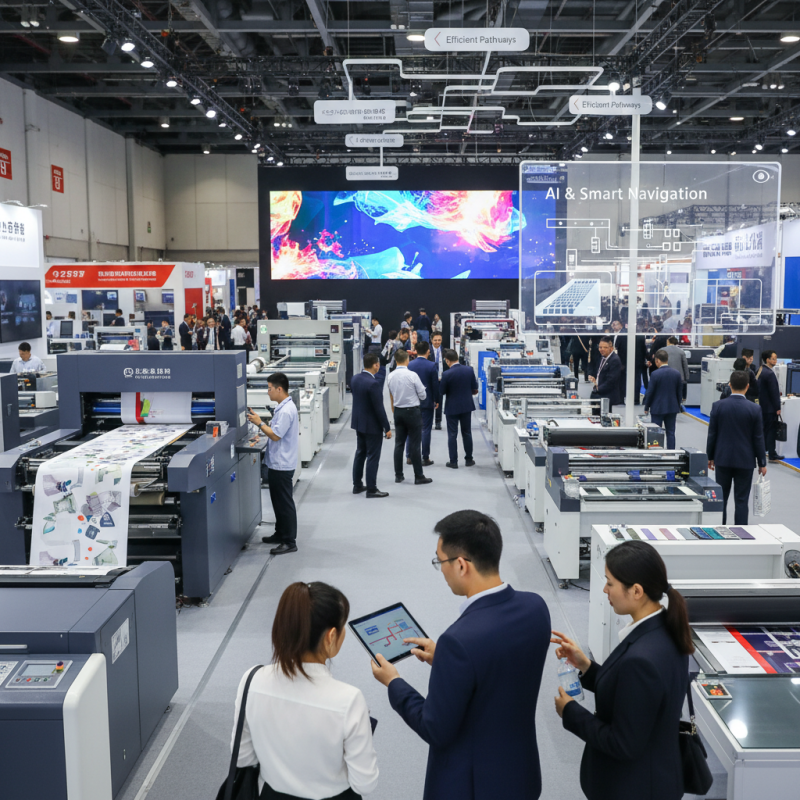
Canton Fair is a hub for various printing technologies. Understanding these technologies helps you choose the right equipment. Different materials need unique approaches. For instance, digital printing suits fabrics and paper well. The quality is high, and colors are vibrant. However, it can be costly for large runs.
On the other hand, screen printing excels with textiles. It's perfect for bulk production. The setup might be more complex, but the results are durable. Offset printing is favored for mass production of paper products. It’s efficient but requires careful consideration of the setup costs. Not every technology fits every project.
Reflecting on these choices is essential. You may prefer one method over another without full awareness of its limitations. Each printing technology has its unique benefits and drawbacks. Assessing your specific needs is crucial before making a decision. Consider your material, budget, and volume. Balancing these factors will guide you in selecting the best equipment at the fair.
When selecting printing equipment, understanding the material types is crucial. Different materials have unique printing requirements. For instance, textiles need printers that can handle fabric and solvent inks. Meanwhile, rigid materials, like wood or metal, require specialized flatbed printers. These distinctions deeply affect the end product’s quality.
Tips: Look for printers that offer versatile capabilities. This flexibility will help you adapt to various materials. Test sample prints before making a decision. You might be surprised by the results.
Another area to consider is the texture of the materials. Smooth surfaces allow for fine details, while textured materials may require adjustments in pressure and ink flow. Some printers may struggle with uneven surfaces. It's essential to find equipment that is deliberately adaptable.
Tips: Consider investing in training for your staff. This practice helps them understand how to optimize printing on different materials. Regular maintenance also ensures consistent quality over time. Reflect on areas where issues tend to arise. This insight can guide your material and equipment choices effectively.
When selecting printing equipment, print quality and speed are crucial factors. For instance, a recent industry report indicated that 70% of print buyers prioritize high resolution in their projects. This implies that clarity and color accuracy are essential in meeting customer expectations. Print speed, on the other hand, is equally significant. According to research, businesses experience a 40% productivity loss when print jobs take longer than anticipated. Therefore, balancing both aspects can enhance operational efficiency.
Different materials require tailored approaches to achieve optimal results. For direct printing on textiles, ink absorption and drying time are vital. A study from the Specialty Graphic Imaging Association highlights that fabrics with higher moisture content can affect print vividness. It’s essential to evaluate how long inks take to set on various surfaces. For rigid substrates, maintaining a consistent print head height can prevent blurring. Many equipment options may not adjust adequately, leading to compromised quality.
Not every solution fits every application. It's essential to reflect on the specific needs of each project. For example, vibrant colors may not translate well onto all materials. Some machines may underperform with particular inks, causing dissatisfaction. Therefore, conducting trials and gathering feedback is integral before a purchase decision. Evaluating both speed and quality helps avoid long-term regrets.
| Material Type | Recommended Printer Type | Print Quality (1-10) | Speed (m²/hr) | Best Application |
|---|---|---|---|---|
| Paper | Inkjet Printer | 9 | 50 | Posters, Flyers |
| Metal | Laser Printer | 8 | 30 | Labels, Engravings |
| Plastic | UV Printer | 10 | 25 | Bottles, Containers |
| Fabric | Sublimation Printer | 9 | 40 | Apparel, Textiles |
| Wood | Digital Wood Printer | 7 | 20 | Furniture, Decor |
Selecting the right printing equipment for various materials at Canton Fair requires careful consideration of your budget. Total cost of ownership (TCO) is crucial. It includes initial purchase costs, maintenance, and operating expenses. Three key areas to focus on are reliability, versatility, and potential hidden costs.
When assessing equipment, ask yourself: Is it durable? Can it handle a range of materials? For instance, some printers excel at paper but falter with textiles. This limitation could lead to extra costs down the road. It’s not uncommon to underestimate the need for versatile machines.
**Tips:** Look for models with a solid warranty. This can save you money in repairs. Also, consider their energy consumption. More efficient machines reduce ongoing costs. A cheaper initial price may not always equate to savings in the long run. Analyze the total feedback from users as well. Often, their reviews reveal unanticipated issues. Investing time in this research pays off and ensures you choose wisely.
When selecting printing equipment, supplier reputation matters significantly. A reliable supplier can be the difference between smooth operations and major headaches. Look for suppliers with strong reviews and a solid history in the market. Avoid those with multiple negative testimonials. Engaging with other businesses can help you gather honest insights about potential suppliers.
Tips: Check online forums. Speak to past customers. A few moments of research can save you time and money.
After-sales support is crucial too. Equipment may need upgrades or repairs. Suppliers who offer good support can help you avoid long downtimes. It’s alarming how many businesses overlook this aspect. If a supplier cannot guarantee swift support, think twice. The last thing you want is a malfunction during a crucial project.
Tips: Ask about response times. Look for warranties. This information can reveal how committed a supplier truly is.
: Print quality is vital because 70% of print buyers prioritize high resolution. Clarity and color accuracy matter greatly.
Print speed impacts productivity significantly. Businesses face a 40% productivity loss when print jobs exceed expected times.
For textiles, ink absorption and drying time are critical. Higher moisture content in fabrics can affect print vividness.
Consistent print head height prevents blurring on rigid substrates. Many machines struggle to adjust, leading to poor quality.
Not every solution fits each application. Vibrant colors may not always work well with every material.
Conducting trials and gathering feedback is essential. This practice helps avoid purchasing equipment that doesn’t meet needs.
A reliable supplier can ensure smooth operations. Suppliers with strong reviews reduce the risk of future headaches.
Inquire about response times and warranties. Fast support is critical for avoiding downtimes during important projects.
Researching online forums and past customer experiences can provide valuable insights. This can save time and money in decisions.
Many overlook the importance of after-sales support. Weak support options can lead to frustration when issues arise.
Selecting the right printing equipment for different materials requires a comprehensive understanding of various printing technologies available at the Canton Fair. Start by identifying the specific types of materials you plan to print on, as each material has distinct printing requirements. For instance, some materials may require special inks or substrates to achieve optimal results. Additionally, evaluating print quality and speed is crucial, as different applications may demand varying standards.
Budget constraints must also be considered, including the total cost of ownership, which encompasses not only the purchase price but also maintenance and operation costs. Lastly, assessing the reputation of suppliers and the support they offer post-purchase can significantly impact your overall satisfaction and performance of the equipment. By carefully analyzing these factors, you can effectively determine how to select printing equipment for different materials, ensuring a successful investment for your printing needs.

Magly Printer