Choosing the right Ceramic Frit Inkjet Printer can transform your creative projects. According to industry expert Dr. Emily Chen, "The right printer enhances both quality and efficiency." With so many options available, making a decision can be daunting.
Understanding the features that matter is crucial. Print speed and resolution are not the only considerations. It’s also important to assess the types of ceramic frit inks that a printer can handle. The material compatibility impacts your artwork’s durability.
Investing in quality is essential. A cheaper printer may save money upfront but can lead to costly mistakes later. Consider the long-term benefits of a reliable Ceramic Frit Inkjet Printer. Reflecting on your needs and budget can help guide your choice. Aim for balance between features and performance to satisfy your artistic vision.
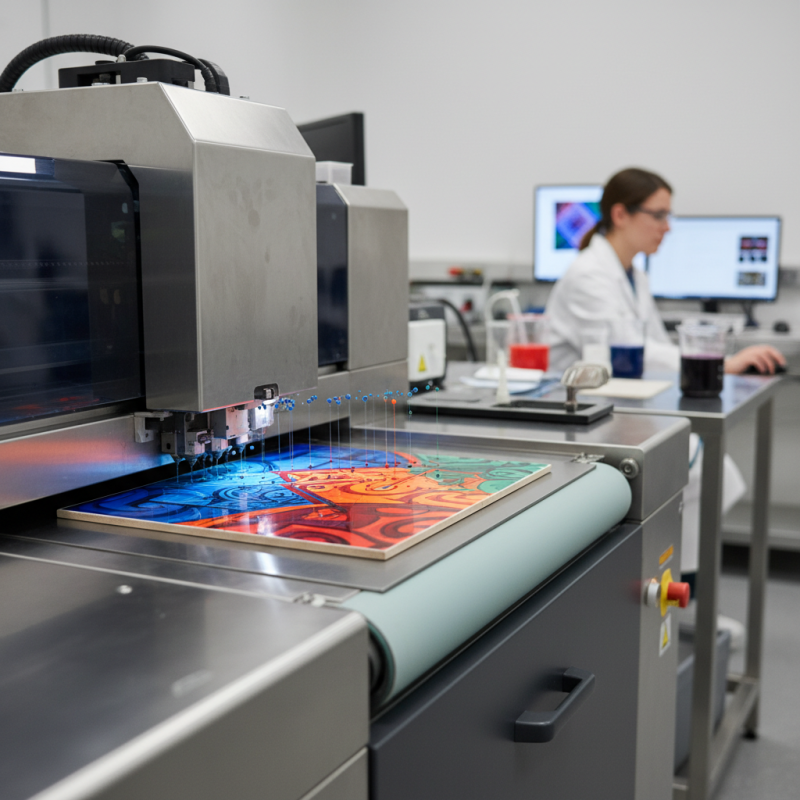
Ceramic frit inkjet printers come in various types, each designed for specific applications. Understanding these types will significantly influence your purchasing decision. Some printers are optimized for high-speed production, while others excel in fine detail. For instance, you may encounter heavy-duty models known for durability. Conversely, lighter versions might offer more versatility for artistic designs.
When selecting a printer, consider your primary use case. If you need to produce vibrant, detailed designs, opt for high-resolution options. Check the ink compatibility; not all printers handle all types of frit inks efficiently. You might encounter issues with color fidelity if the printer does not support specific inks.
Pay attention to the maintenance required for different printers. Some models demand more upkeep than others, potentially affecting long-term costs. Regular cleaning of print heads is vital. Make sure you can commit time for maintenance if you choose a more complex machine. This diligence can prevent frustrating downtime during busy production periods.
| Tip | Description | Considerations |
|---|---|---|
| 1. Evaluate Print Quality | Check the printer's dpi and color accuracy for detailed ceramic prints. | Look for sample prints and reviews from other users. |
| 2. Consider Production Volume | Choose a printer that can handle your expected workload efficiently. | Examine the printer's speed and capacity specifications. |
| 3. Check Ink Compatibility | Ensure the printer supports the type of ceramic frit ink you plan to use. | Investigate which inks are available and their performance metrics. |
| 4. Assess Maintenance Requirements | Understand the upkeep and cleaning processes needed to maintain print quality. | Look for user-friendly maintenance features or contracts. |
| 5. Compare Costs | Evaluate both initial purchase price and long-term ink and maintenance costs. | Calculate total cost of ownership to make an informed decision. |
When selecting a ceramic frit inkjet printer, print quality and resolution are paramount. A printer's ability to render fine details can dramatically impact the final product. High-resolution prints will showcase intricate designs and textures that are essential in ceramic applications. Pay attention to the printer's DPI (dots per inch) capabilities. A higher DPI typically translates to sharper images. However, understanding how this DPI interacts with your specific ceramic materials is crucial.
Moreover, consistent color accuracy is vital for ceramic printing. Evaluate how well the printer reproduces color over time. If color fidelity varies, it could lead to mismatched batches, disrupting production. Conduct test prints to gauge how the printer handles gradients and fine lines. Look for variations that might indicate a need for adjustment.
Print speed is also a factor, but it should not compromise quality. While faster printers can increase productivity, they may sacrifice the intricate details that ceramics demand. Lastly, consider maintenance and longevity. An unreliable printer can lead to downtime and frustration. Reflect on long-term needs. Is the printer capable of handling evolving projects? Assess your requirements carefully.
When selecting a ceramic frit inkjet printer, compatibility with frit materials and substrates plays a pivotal role. According to a recent industry report, nearly 70% of failed printing processes are attributed to incompatibility issues. This could result in poor adhesion or color misrepresentation. Understanding the specific characteristics of frit materials can inform your choice. For instance, different frit compositions can react variably when exposed to thermal conditions during the firing process.
Moreover, each substrate has unique requirements that can affect print quality. A study indicated that 45% of industry professionals have encountered print quality problems directly linked to substrate choice. Testing your frit ink on various surfaces will help you identify the optimal substrate. This can involve trying different thicknesses or surface treatments to enhance adhesion and durability.
Don’t overlook the significance of manufacturer guidelines. Many printers come with specifications that include recommended frit types and compatible substrates. Following these recommendations may minimize trial and error but can still lead to unforeseen hiccups. Engaging with community feedback through online forums or industry events can offer practical insights. Gathering collective experiences might help avoid costly mistakes.
When selecting a ceramic frit inkjet printer, evaluating its speed and production capacity is crucial. The printer's speed directly affects your workflow efficiency.
Faster printers can produce more pieces in less time, which can lead to increased profitability. It's vital to assess the printer's maximum speed under various operating conditions. Many manufacturers provide these figures, but real-world performance can differ. Customer reviews often reveal discrepancies.
Production capacity is equally important. A printer might be fast but can also be limited by ink supply or drying time. Knowing the printer's limitations helps avoid production bottlenecks. Look for models that offer adjustable settings. This capability can enhance flexibility, allowing you to cater to different project requirements.
It’s also worth questioning how the machine handles large batches versus short runs.
While speed and capacity are essential, they aren't everything. The right balance between quality and quantity matters. Sometimes, a moderately fast printer offers superior print quality and longevity. In the end, a thoughtful evaluation ensures that your investment meets both your immediate and long-term production needs.
When budgeting for a ceramic frit inkjet printer, it's crucial to consider both initial costs and long-term maintenance. Research from industry reports indicates that the upfront investment can range from $5,000 to $50,000, depending on the printer's capabilities. This range often reflects the quality of the print head and the precision it can achieve. A higher initial cost may save money over time due to lower maintenance needs and higher durability.
Long-term maintenance costs are essential for tracking overall expenses. Annual maintenance can average from $500 to $2,000. Inadequate maintenance can lead to performance issues, affecting print quality and increasing waste. Analysis by industry experts highlights that regular upkeep, such as cleaning and calibrating, can mitigate these risks. Furthermore, consider costs associated with the inks and substrates you'll need. Some ceramic frit inks can be more expensive but offer higher quality, thus justifying the price when evaluating total cost of ownership.
The operational costs for energy and supplies should also be part of your financial plan. Data suggests that power consumption for these machines can contribute significantly to monthly expenses. Adequate budgeting for this aspect can prevent unexpected financial strain. In this decision-making process, businesses should reflect on their specific needs and usage patterns. Balancing cost with performance will lead to more sustainable long-term investment choices.
: There are heavy-duty printers for durability and lighter models for artistic designs. Each type serves specific applications.
Consider your primary use case. High-resolution options are best for vibrant, detailed designs.
Not all printers handle every frit ink type. Incompatibility can lead to color fidelity issues.
Some models need more upkeep. Regular cleaning of print heads is vital to avoid downtime.
High-resolution prints showcase intricate designs. A higher DPI typically means sharper images and better detail.
Evaluate how well the printer reproduces color over time. Conduct test prints to check for variations.
Evaluate maximum speed and consider ink supply and drying time. Balanced performance is essential for workflow.
Not always. A moderately fast printer can offer better quality. Balance between speed and detail is critical.
Reflect on evolving projects and the printer's ability to adapt. Consider maintenance and reliability over time.
Consider both immediate needs and long-term production goals. A thoughtful evaluation helps ensure a wise investment.
When choosing the right Ceramic Frit Inkjet Printer, it is essential to understand the different types available on the market to ensure that you select one that meets your specific needs. Evaluating print quality and resolution is crucial for achieving the detailed results required in ceramic applications. Additionally, compatibility with frit materials and substrates must be considered to ensure optimal performance. Assessing the printer's speed and production capacity will help you meet your production demands, while careful budgeting for initial costs and long-term maintenance can help ensure a sustainable investment.
In summary, a well-informed decision regarding a Ceramic Frit Inkjet Printer can greatly enhance your production capabilities. By focusing on these key aspects—type, print quality, material compatibility, speed, and budget—you can find a printer that not only meets your immediate requirements but also supports your long-term goals in ceramic printing.

Magly Printer