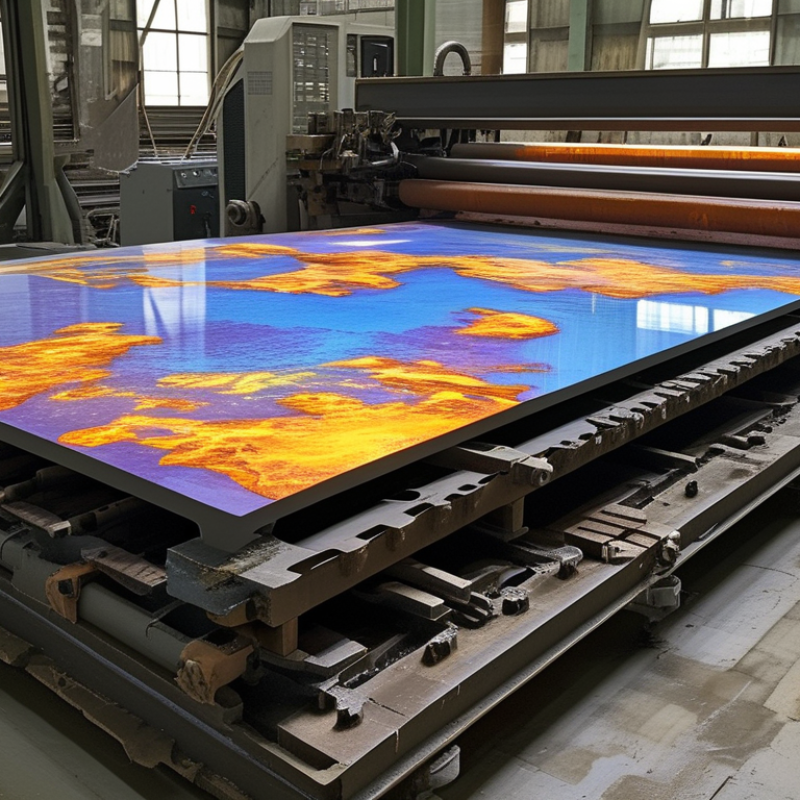
How to Understand UV Curing in Industrial Printing?

Time:2026-05-13 Author:Amelia
0%

Understanding UV curing in industrial printing is essential for print manufacturers today. This innovative technology has transformed the way inks are dried and cured. According to a recent report by Smithers Pira, the UV printing market is expected to reach $8.39 billion by 2025, showcasing its growing importance in various industries.

"What is UV curing in industrial printing?" Dr. John Adams, a leading expert in the field, once stated, "It enables faster production speeds and enhances the durability of printed materials." His insights highlight the practicality and efficiency that UV curing brings to industrial printing processes.

Yet, challenges remain. The initial investment in UV equipment can be significant. Additionally, finding qualified personnel to operate these systems is crucial. As companies navigate these hurdles, the long-term benefits of high-quality, quick-drying prints often outweigh the complexities of adopting UV technology. The evolution of UV curing continues to shape the future of industrial printing.

How to Understand UV Curing in Industrial Printing?

Understanding the Basics of UV Curing Technology in Printing

UV curing is a fascinating technology used in industrial printing. It involves the use of ultraviolet light to instantly dry and cure inks, coatings, and adhesives. This process enhances print quality, colors become more vibrant, and the final product is more durable. The technology significantly reduces drying times compared to traditional methods.

Understanding UV curing technology requires grasping some basic concepts. The inks and coatings contain photo-initiators that react when exposed to UV light. This reaction creates polymers that solidify the inks, preventing smudging or bleeding. Users may wonder about the sustainability of UV curing. It offers advantages, such as less volatile organic compound (VOC) emission. However, it relies on energy-intensive UV lamps that may pose higher energy costs.

Challenges arise with this technology. For instance, some substrates might not interact well with UV inks. Certain surfaces could require special coatings for effective curing. Moreover, the initial setup costs for UV curing systems can be significant. Understanding these nuances is essential for manufacturers to optimize their printing processes and make informed decisions.

The Role of UV Light in Curing Processes

UV light plays a crucial role in the curing processes of industrial printing. This technology uses ultraviolet light to instantly cure or harden inks, coatings, and adhesives. When UV light hits the surface, it triggers a photochemical reaction. This process transforms liquid materials into solid forms quickly. The immediacy of this reaction enhances productivity, allowing for faster turnaround and smooth workflows.

Understanding UV light's impact is essential for optimizing printing processes. Different wavelengths can alter curing efficiency. Some inks may require specific UV spectrums for ideal results. The ability to manipulate these factors leads to better adhesion and durability of printed materials. However, challenges persist. Not all surfaces react uniformly to UV light, leading to potential inconsistencies. Thus, testing various combinations remains essential for achieving high-quality results.

The integration of UV curing in printing operations necessitates an understanding of both light and material properties. A carefully calibrated approach ensures optimal performance. Experimentation and adaptation can significantly improve production outcomes. Yet, staying informed about advances in technology and materials can sometimes be overwhelming. Continuous learning and adaptation are vital in an ever-evolving industry.

Types of UV Curing Equipment Used in Industrial Printing

In industrial printing, UV curing technology is indispensable for achieving high-quality finishes. Several types of UV curing equipment are utilized, each serving distinct functions. For example, UV lamps are crucial for drying inks instantly. Typically, these lamps emit ultraviolet light, activating photoinitiators in the inks. This process leads to rapid polymerization, allowing for immediate handling of printed materials.

Different systems exist within the UV curing domain. Mercury vapor lamps, for instance, are common due to their effectiveness. However, LED UV systems have gained popularity because of their energy efficiency and reduced heat output. Reports indicate that LED systems consume 50% less energy than traditional options. This efficiency is pivotal, especially for large-scale production.

Challenges persist in adopting new UV technologies. Not all inks respond well to UV curing, which can limit their use in various applications. Additionally, initial costs related to upgrading equipment can deter some businesses. Understanding the balance between investment and long-term benefits remains critical for companies in the printing sector.

Factors Affecting UV Curing Efficiency

In the realm of industrial printing, UV curing plays a crucial role in enhancing productivity and product quality. Several factors influence the efficiency of UV curing processes, making it essential for manufacturers to understand them. According to a report by Smithers Pira, proper UV light intensity is essential. Insufficient intensity can lead to incomplete curing, which compromises the durability of printed materials.

Another vital factor is substrate composition. Different materials respond uniquely to UV light. Research by the Institute of Printing Technology shows that absorbent materials often require longer curing times. On the flip side, reflective substrates may bounce UV light, leading to uneven curing. This variability prompts the need for rigorous testing before large-scale production.

Temperature also significantly affects UV curing effectiveness. Higher temperatures can accelerate the curing process but may distort some substrates. A balance must be struck to ensure optimal results. Not all UV systems are created equal; discrepancies in equipment can lead to performance inconsistencies. Ensuring uniform light distribution is often a challenge, requiring continuous evaluation.

Applications and Benefits of UV Curing in Industrial Printing

UV curing is transforming industrial printing. This technology uses ultraviolet light to cure ink, ensuring quick drying and strong adhesion. It's particularly beneficial for businesses that rely on high-quality prints. The applications of UV curing are diverse, including packaging, labels, and specialty printing.

One key benefit is speed. UV curing allows for immediate handling after printing. This can drastically reduce production time. Moreover, this process supports vibrant colors and detailed images, enhancing visual appeal. It's also environmentally friendly, producing minimal volatile organic compounds (VOCs).

Tips for effective UV curing: Ensure proper ink formulation. Incompatible inks can lead to poor adhesion. Regularly maintain the curing equipment. This helps avoid inconsistencies in the curing process. Lastly, monitor the distance between UV lamps and printed materials. Optimal distance is crucial for achieving the best results.

Another aspect to consider is the need for appropriate safety measures when handling UV equipment. Prolonged exposure can be harmful. Even with advanced technology, reflections and shadows can create uneven curing. Hence, continuous evaluation of the process is essential for quality control.

How to Understand UV Curing in Industrial Printing? - Applications and Benefits of UV Curing in Industrial Printing

Application Area Benefits Curing Technology Typical Substrates
Packaging Printing Fast drying times, enhances shelf life Mercury Vapor Lamps Plastic, Paper, Metal
Label Printing High gloss, superior durability LED UV Curing Vinyl, Polyethylene
Commercial Printing Reduced VOC emissions, energy efficiency UV-LED Systems Paper, Cardboard
Graphic Printing Better color reproduction, long-lasting prints Pulse Xenon Lamps Canvas, Textile
Industrial Printing Increased production speeds, strong adhesion LED UV and Traditional UV Wood, Glass

FAQS

: What is the role of UV curing in industrial printing?

: UV curing uses ultraviolet light to dry inks quickly and ensure strong adhesion.

What types of UV curing equipment are commonly used?

Common types include mercury vapor lamps and LED UV systems, each serving unique purposes.

How does light intensity affect UV curing?

Proper UV light intensity is essential; insufficient intensity can result in incomplete curing.

What challenges exist with UV curing technology?

Some inks do not respond well to UV curing, limiting application use.

How do substrate materials influence UV curing?

Different materials respond differently; absorbent ones often need longer curing times.

Why is temperature important in the curing process?

Higher temperatures can speed up curing but may distort certain substrates.

What are the safety considerations for using UV equipment?

Prolonged exposure can be harmful; adequate safety measures must be in place.

What tips can improve UV curing effectiveness?

Ensure proper ink compatibility and regularly maintain curing equipment for consistency.

How do reflections and shadows impact curing?

They can lead to uneven curing, necessitating consistent evaluation of the process.

What is a common obstacle for businesses upgrading their UV technology?

The initial costs of new equipment can be a significant deterrent for some companies.

Conclusion

UV curing in industrial printing is a technology that uses ultraviolet light to dry and harden inks, coatings, and adhesives almost instantly. Central to this process is the role of UV light, which initiates a photochemical reaction, leading to rapid curing. There are various types of UV curing equipment, including UV lamps and LED systems, which are essential in ensuring effective application in high-speed printing environments.

Several factors influence the efficiency of UV curing, such as ink formulation, substrate type, and the intensity and duration of UV exposure. The applications of UV curing span across multiple industries, providing significant benefits like faster production times, reduced energy costs, and improved print quality. Overall, understanding what is UV curing in industrial printing reveals its transformative impact on the efficiency and efficacy of printing processes.

Amelia

Amelia

Amelia is a seasoned marketing professional with a wealth of expertise in our company’s core offerings. With an unwavering passion for driving growth and innovation, she plays a pivotal role in shaping our marketing strategies and enhancing brand visibility. A key aspect of her responsibilities......