Explore our premium-tier industrial printing platforms designed for heavy manufacture, architectural surfaces, and promotional substrate decoration.
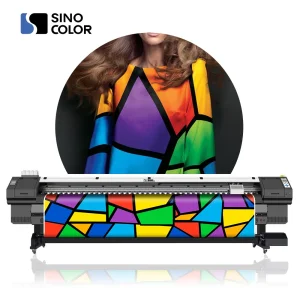
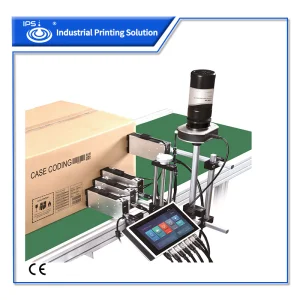

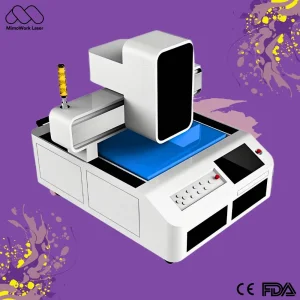
Foshan Magly Printer Co., Ltd. is a professional Industrial Digital Printing Machine Manufacturer dedicated to delivering advanced ceramic and glass inkjet printing solutions as well as integrated surface decoration systems for modern manufacturing industries. Based in Foshan, a key hub for ceramics and industrial equipment in China, the company benefits from a strong supply chain and extensive industry expertise.
Driven by continuous research and customer-oriented service, Magly is expanding its global presence, offering reliable, efficient, and future-ready surface decoration solutions to partners worldwide. Our engineering team builds systems that optimize modern assembly flows, minimizing color variance while maximizing hourly throughput output.
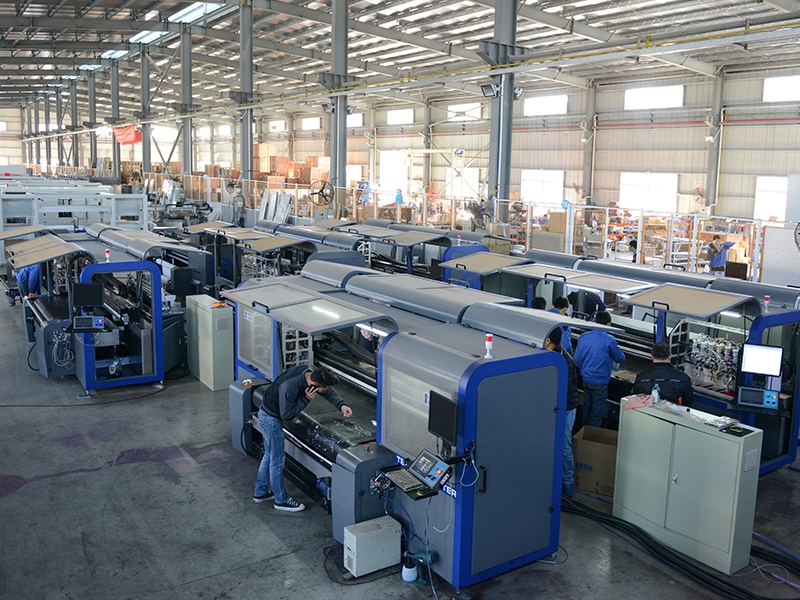
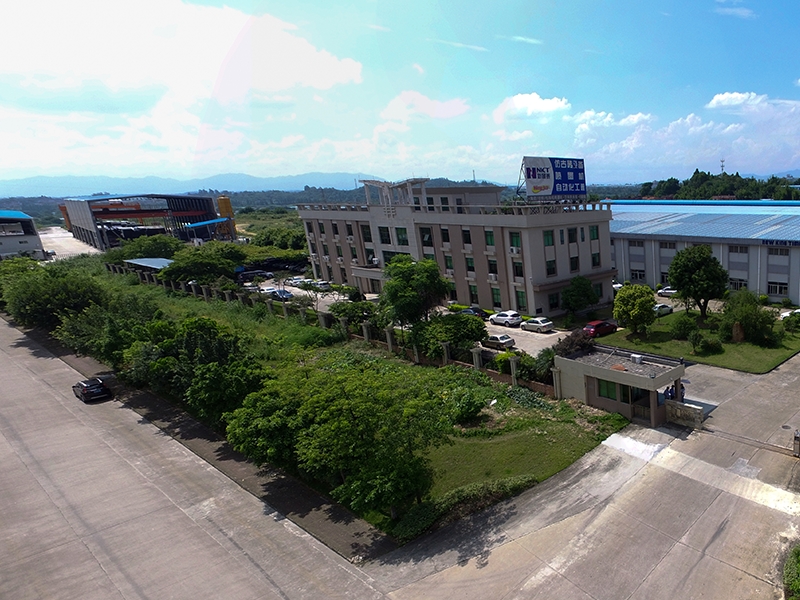
Magly operates a modern production facility covering over 7,000 square meters, supported by a skilled team of more than 100 employees, including experienced engineers, R&D specialists, and technical service professionals. The company focuses on developing high-precision digital printing machines that ensure excellent color performance, stable operation, and compatibility with a wide range of materials such as ceramic tiles, architectural glass, and decorative panels.
With a commitment to innovation and quality, Foshan Magly Printer Co., Ltd. integrates advanced inkjet technology with automated control systems to help customers improve production efficiency, reduce waste, and achieve flexible, customized designs. Its solutions are widely applied in building materials, interior decoration, and industrial manufacturing sectors.
How the paradigm shift from traditional rotary screen printing to agile digital systems is redefining high-yield manufacturing.
The industrial landscape for ceramic artwork printing is undergoing an accelerated digital transformation. Globally, construction projects, hospitality developers, and home furnishing conglomerates are transitioning away from high-minimum analog operations. Historically, reproducing complex murals or bespoke artwork on ceramic tiles required cost-prohibitive screen-printing setup times, with zero ability to vary prints mid-run. Modern smart building requirements and structural personalization trends have driven the demand for customizable digital printing technologies that deliver high-resolution prints directly onto dense substrates.
In Europe, North America, and parts of Asia, architectural and interior design houses now demand hyper-realistic tactile surfaces, wood grain effects on ceramic planks, and 3D textured murals. By utilizing digital printheads capable of variable ink drop sizes (grayscale jetting), contemporary ceramic artwork printing allows for the physical simulation of natural materials like marble, granite, and organic timber—complete with matching tactile relief structures. This integration of design and tactile depth is critical for luxury commercial properties, premium retail setups, and customized residential housing projects globally.
Seamlessly deposit pigment-rich UV and inorganic ceramic inks onto dense surfaces like glazed tiles, tempered glass, refractory panels, and structural timber.
Equipped with dual water-cooled UV-LED curing systems that immediately lock ink dots to the substrate, preventing bleed and ensuring high-contrast color margins.
Print directly from digital design files (TIFF, PSD, PDF) with no physical setup overhead. Save energy and reduce chemical disposal, meeting ESG criteria.
Why sourcing industrial printing machinery from Foshan offers the highest ROI, robust parts supply, and unmatched engineering speed.
Foshan is the historical and technological center of the global ceramics industry. For a manufacturer like Foshan Magly Printer Co., Ltd., this geographic centralization provides access to an unparalleled supply chain network. The localized availability of precision heavy framing components, gantry rails, industrial linear motors, specialized high-density inks, and mechanical sub-assemblies means manufacturing turnaround cycles are cut down significantly compared to Western counterparts.
Additionally, the concentration of ceramic R&D institutions nearby allows for continuous materials testing. When new porcelain glazes or engineered stone panels hit the market, Magly engineers can immediately prototype, calibrate, and program digital inkjet settings for real-world application. This tight feedback loop between the ceramic material industry and printing equipment builders ensures that our hardware and software remain state-of-the-art.
Western print machine manufacturers face high component sourcing delays and astronomical development costs. China's manufacturing ecosystem enables rapid prototyping, allowing for custom bed sizes (e.g., customized 3.2m grand format flatbeds) and bespoke head configurations (like combining CMYK, White, and Varnish in one single carriage) at a fraction of the cost. Sourcing from a reliable OEM in Foshan guarantees high-performance output with a significantly lower CapEx threshold.
Unlocking new commercial revenue streams via variable data printing, glass decoration, and 3D textured murals.
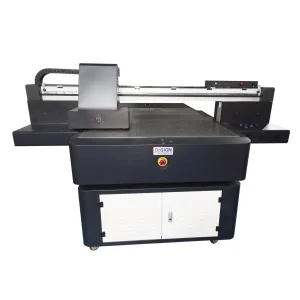
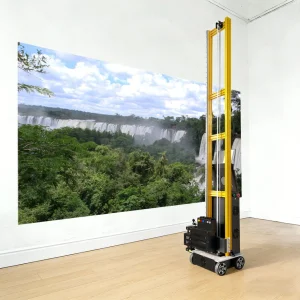
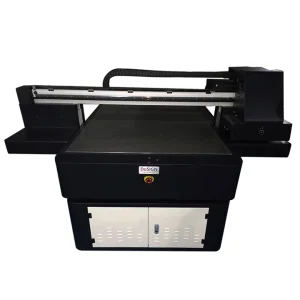
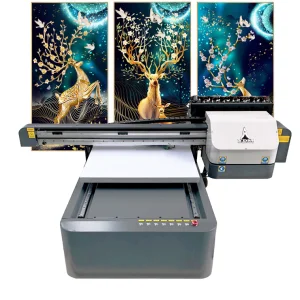
Architects and structural engineers are increasingly specifying custom-printed glass panels, ceramic facade tiles, and decorative panels. With systems like the UV Wall Printing Machine and the Large Format UV Flatbed, developers can transfer vector designs and fine art directly onto structural walls, bathroom cladding, kitchen backsplashes, and cabinet panels. This eliminates the need for expensive traditional cladding materials while offering personalized finishes for offices, hotels, and luxury apartments.
Automotive glass, home appliance panels (like oven doors and induction hobs), and display monitors require precise, high-durability print coats. By deploying industrial-grade UV printers, manufacturers can apply high-density black borders, regulatory icons, and warning layouts with permanent adhesion characteristics that withstand heat, humidity, and abrasion tests.
The industry is rapidly shifting toward smart printing lines. By integrating optical feedback loops, modern printers automatically adjust ink deposition based on real-time surface topography measurements. This technology enables simulated wood grains or stone finishes to match their visual patterns with physical textures, created by laying down consecutive coats of high-build white ink capped with a CMYK layer. The demand for 3D, 5D, and 6D dimensional finishes is rising rapidly, opening new possibilities for upscale mural manufacturers and interior decorators.
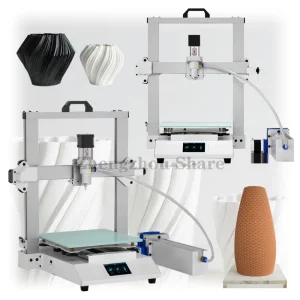
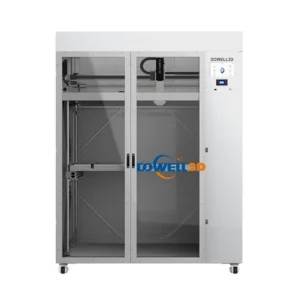
For custom building designs, traditional mold-making is slow and expensive. High-performance pellet 3D printers, such as the Dowell FGF Pellet Large 3D Printer, allow construction companies and architectural mold designers to print complex decorative molds directly from industrial granules, reducing tool preparation times from weeks to hours.
Ensuring compliance, machine longevity, and robust technical support for international operations.
Investing in heavy digital printing machinery requires rigorous verification of quality, safety standards, and reliable long-term support. Global purchasing departments look for machinery that complies with international regulations, such as CE, FCC, and RoHS certifications. These benchmarks ensure the safety of electrical components, electromagnetic compatibility, and compliance with environmental regulations. Our systems undergo extensive durability testing at our 7,000-square-meter facility before shipping, verifying structural alignment, ink feed stability, and heat management under continuous heavy use.
Furthermore, post-sales technical support is crucial for maintaining production uptime. Foshan Magly Printer Co., Ltd. provides robust international assistance, offering remote software diagnostics, on-site installation packages, and a comprehensive spare parts catalog (including printheads, dampers, ink pumps, and encoder strips). Our engineers understand the costs associated with production downtime, so we focus on modular machine designs that allow for easy, fast component replacements by on-site technicians.
Crucial information for engineers, procurement officers, and production directors evaluating digital printing systems.
For industrial ceramic applications, we recommend specialized UV-LED curable inks or inorganic ceramic pigment inks. UV inks are instantly cured on the printer by high-intensity UV-LED lamp units, creating a polymer film on the surface suitable for indoor applications. For high-wear outdoor architectural facades, inorganic pigment inks are printed directly onto the raw glaze, followed by firing in a ceramic kiln at temperatures above 800°C to fuse the design permanently into the glaze layer.
Achieving durable adhesion on non-porous materials like glass and polished stone requires a combination of three steps: thorough substrate cleaning (removing oils and dust), applying a specialized chemical primer (pre-treatment) to build chemical anchors, and using curable inks under precise UV-LED wavelengths. Additionally, mechanical tools like our Ceramic Specific Electric Drill Brush help prep surfaces for printing, ensuring long-term adhesion that resists peeling.
For fine art reproduction and detailed decals, high-frequency, small-droplet printheads (like the Epson i3200 or XP600) deliver excellent color gradients and sharp text, with resolutions up to 1440dpi. For heavy, continuous production runs requiring high ink volumes and high-speed operation, we recommend industrial heads like the Ricoh Gen5/Gen6 or Toshiba CE4. These printheads feature robust physical construction and high wear resistance, making them ideal for heavy industrial settings.
An industrial flatbed printer has a physical framework designed to last over a decade. The lifespan of consumable items, like printheads, ranges from 1.5 to 3 years depending on maintenance. Weekly maintenance routines include manual cleaning of the printhead faceplates, checking vacuum table pressures, checking UV lamp cooling water levels, and ensuring linear guides are lubricated. Standard software-controlled purging cycles prevent ink crystallization during idle periods.
We supply detailed training videos, calibration manuals, and schematics with every machine shipped. For large-scale installations, we offer on-site deployment assistance from our field engineers. For troubleshooting, we utilize remote desktop software to analyze RIP settings, update firmware, and optimize print profiles, while video calls help diagnose mechanical adjustments. Key replacement components are stocked and shipped via express courier to minimize downtime.
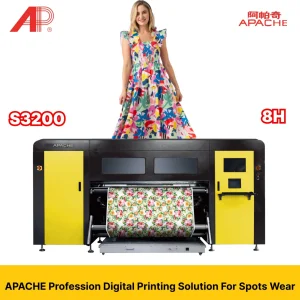
Enhance your manufacturing capabilities with our high-head-count textile systems, wall decoration printers, and maintenance accessories.



 Magly Printer