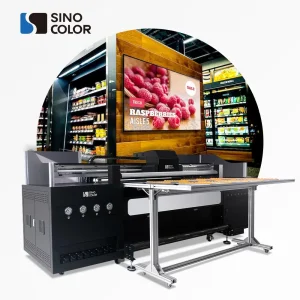
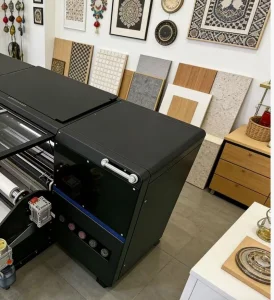
The global manufacturing sector is undergoing an unprecedented paradigm shift driven by digital integration, individual customization, and sustainable raw material loops. At the heart of this transformation is the decorative printing machine industry, transitioning away from high-volume analog technologies (such as rotogravure and rotary screen printing) to precision industrial inkjet platforms, flatbed UV LED setups, and Fused Granular Fabrication (FGF) 3D printing systems. Today's commercial markets require extreme agile capabilities, rendering traditional toolings obsolete due to high setup overheads, lengthy changeover times, and restrictive layout setups.
"Modern surface decoration is no longer just about color deposition; it is the molecular combination of structural material science, high-performance ultraviolet (UV) polymerization, and digital precision control, giving tactile depth and durability to ordinary surfaces."
— Global Surface Finishing Consortium & Digital Engineering CouncilOEM and ODM factories based in specialized industrial clusters are pioneering this transition. Digital printing systems enable industrial manufacturers to bypass traditional constraints. By leveraging Drop-on-Demand (DoD) piezoelectric printhead technologies and high-viscosity formulation inks, modern printers apply vivid patterns, textures, and protective coatings directly onto diverse substrates—including ceramic tiles, tempered architectural glass, MDF wood panels, composite PVCs, metals, and textiles.
Utilizing high-build UV curing technology, modern printers deposit varnish and specialty polymer layers dynamically, creating physical relief textures like authentic wood grains and stone fissures.
Moving away from traditional scanning gantries, inline single-pass printing arrays maintain fixed printheads over high-speed conveyors, providing speeds of up to 75 meters per minute for mass production.
Increasing focus on compliance regulations (RoHS, REACH, and VOC emission limitations) has driven factories to design low-emission, eco-solvent, and water-based digital ink variants.
Foshan Magly Printer Co., Ltd. is a professional Industrial Digital Printing Machine Manufacturer dedicated to delivering advanced ceramic and glass inkjet printing solutions as well as integrated surface decoration systems for modern manufacturing industries. Based in Foshan, a key hub for ceramics and industrial equipment in China, the company benefits from a strong supply chain and extensive industry expertise.
Magly operates a modern production facility covering over 7,000 square meters, supported by a skilled team of more than 100 employees, including experienced engineers, R&D specialists, and technical service professionals. The company focuses on developing high-precision digital printing machines that ensure excellent color performance, stable operation, and compatibility with a wide range of materials such as ceramic tiles, architectural glass, and decorative panels.
With a commitment to innovation and quality, Foshan Magly Printer Co., Ltd. integrates advanced inkjet technology with automated control systems to help customers improve production efficiency, reduce waste, and achieve flexible, customized designs. Its solutions are widely applied in building materials, interior decoration, and industrial manufacturing sectors.
Driven by continuous research and customer-oriented service, Magly is expanding its global presence, offering reliable, efficient, and future-ready surface decoration solutions to partners worldwide.
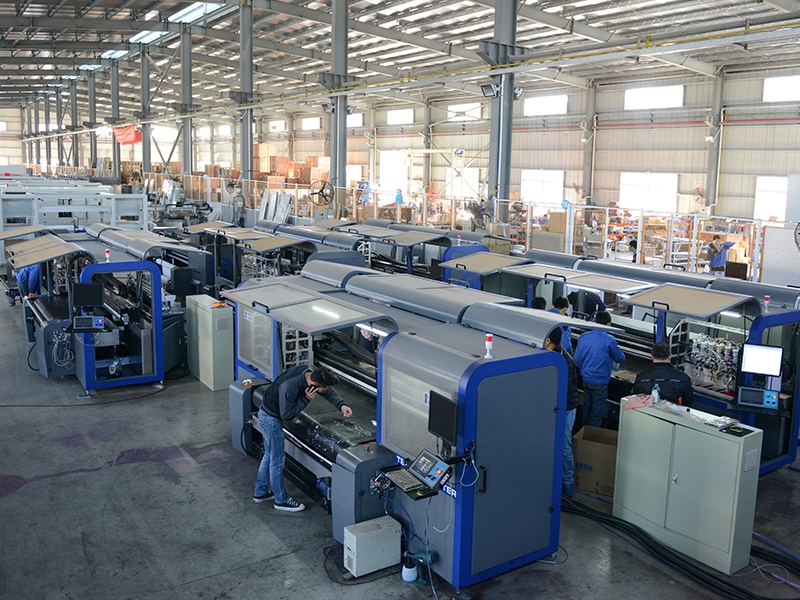
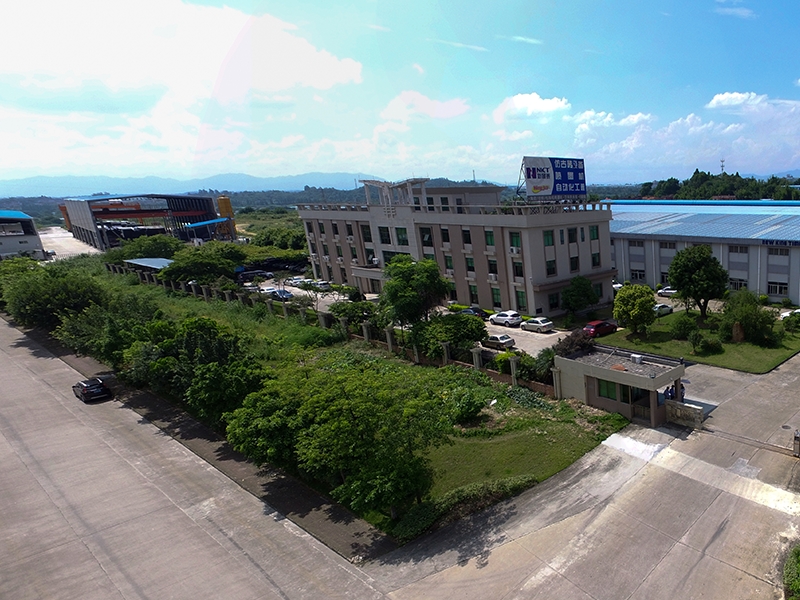
At the heart of Foshan Magly's success is its dedication to custom mechanical engineering and software development. By maintaining a 7,000+ sqm assembly and testing environment, every component, from precision linear guide rails (e.g., THK, Hiwin) to industrial UV LED light loops and negative pressure control boards, is calibrated to sub-micron accuracy.
Magly's R&D division bridges software control (RIP engine configuration, ICC profiling) and physical hardware implementation (fluid dynamics inside ink channels, heating systems for high-viscosity inks), ensuring stable jetting during continuous 24/7 manufacturing cycles.
China's digital printing machine sector has moved beyond traditional assembly and entered the age of Industry 4.0. Centered in industrial production zones like Foshan, Guangdong, manufacturers leverage mature industrial ecosystems to source premium raw materials and electronic assemblies with minimal lead times. This concentration reduces the costs of CNC steel frames, precision printhead plates, high-efficiency UV lamps, and electrical control panels, providing exceptional cost-to-performance ratios for global partners.
Foshan's metal fabrication and precision machining clusters provide ultra-stable, double-beam machine gantries, keeping structural deflection under 0.02mm across long spans.
Close proximity to deep-water ports (Nansha, Shenzhen, Hong Kong) enables rapid transport logistics, reducing time-to-market for custom international plant installations.
Continuous quality control cycles, including 72-hour thermal stress tests on control boards, mechanical endurance runs, and printhead alignment verification, guarantee reliable operation.
Foshan Magly Printer Co., Ltd. utilizes these local supply chains to source premium key parts (such as German-manufactured IGUS drag chains, Italian Megadyne belts, and Japanese-engineered printhead controllers), ensuring that every industrial-grade printing line matches international standards.
When sourcing industrial-grade decorative printing equipment, global procurement managers look beyond base pricing, focusing on total cost of ownership (TCO) and long-term durability. Key factors include:
Modern print operations require versatile machines. The same industrial chassis must be adaptable for UV LED curable ink on PVC and glass, high-temperature inorganic glazes for ceramic tile firing, or latex-based, water-soluble pigments on wood grain paper. OEM/ODM suppliers must provide custom configurations for ink delivery components, sub-tank heaters, and specialized agitation setups to prevent pigment sedimentation.
At the core of print quality are the industrial printheads. Buyers look for systems configured with leading models like the Epson i3200-U1, Ricoh Gen5/6, or Kyocera KJ4B. These printheads feature high nozzle counts, support grayscale printing (variable drop volumes from 2.5 to 15 picoliters), and run at high frequencies. Supporting components must include precision linear motors, dual guide rail carriages, and heavy-duty steel bases to ensure printing accuracy at high speeds.
Efficient printing requires tight hardware-software alignment. Leading OEM/ODM suppliers integrate advanced raster image processors (RIP) such as Onyx, Caldera, or MainTop. These tools manage complex color rendering, support variable data printing (VDP), and allow for micro-adjustments in ink laydown, ensuring consistent colors across global manufacturing sites.
Industrial digital printers serve diverse sectors, offering flexible custom solutions for building materials, home decor, and industrial packaging:
Printers deposit inorganic glazes on ceramic surfaces before firing or apply scratch-resistant UV inks onto architectural glass panels, perfect for splashbacks and feature walls.
Applies high-resolution wood grain patterns onto MDF, HDF, and wood-grain papers, helping furniture manufacturers match natural veneers with durable, low-cost synthetic alternatives.
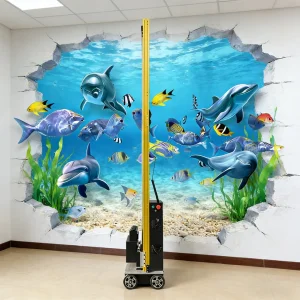
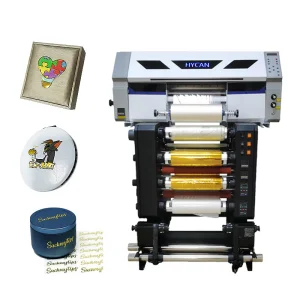
Compact UV flatbed printers print directly onto phone cases, acrylic sheet displays, metal plates, and consumer goods packaging, supporting efficient low-volume production.
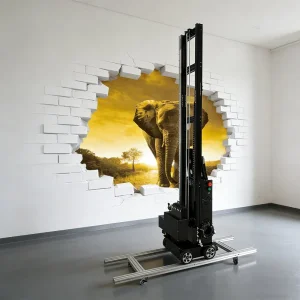
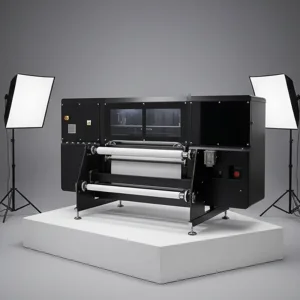



Here are detailed technical answers to help global purchasers navigate import requirements and identify suitable production solutions:
High-grade UV LED curing modules typically offer a working lifespan of 20,000 to 30,000 hours, significantly longer than traditional mercury vapor lamps (typically 1,000 to 2,000 hours). Realizing this lifespan requires consistent chilling systems (often water-cooled loop configurations) to regulate temperatures on the diode junction board.
Grayscale jetting control (using variable droplet sizes from 2pl to 12pl) allows printheads to adjust the ink volume deposited on different areas. Small dots ensure crisp details, fine text, and smooth gradients, while larger drops provide high coverage density in solid blocks, optimizing ink consumption and production speed.
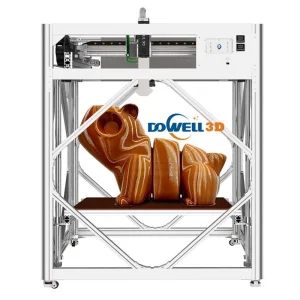
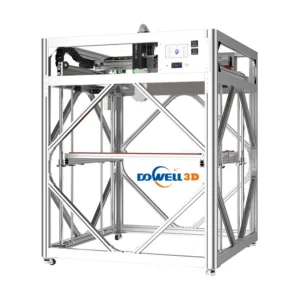
Fused Granular Fabrication (FGF) 3D printers print using plastic pellets instead of extruded filaments, allowing manufacturers to use standard plastic resins (e.g., ABS, PETG, polycarbonate). This lowers material costs, increases flow volume for faster printing speeds, and makes it possible to print large architectural panels up to 1200mm quickly.
For smooth surfaces like glass, ceramic tiles, and metals, we apply specialized chemical primers to modify surface energy and promote bonding. This is paired with custom UV curing configurations to ensure long-term durability and resistance to wear and water exposure.
 Magly Printer