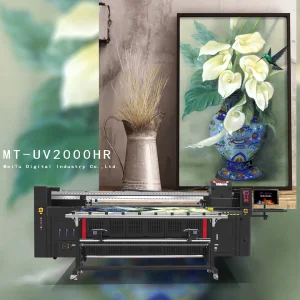
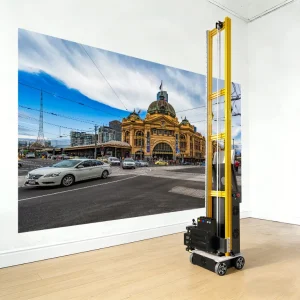
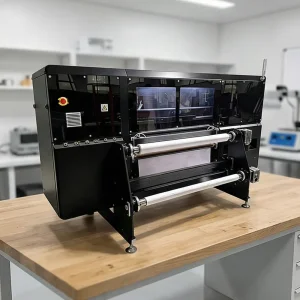
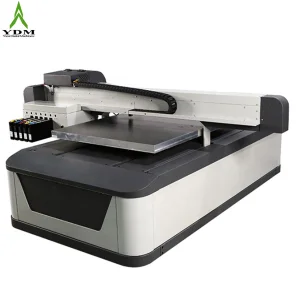
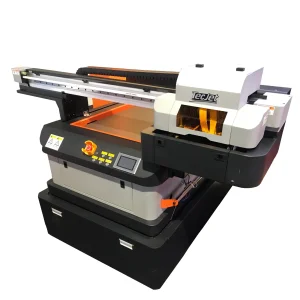
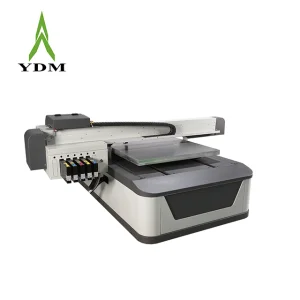
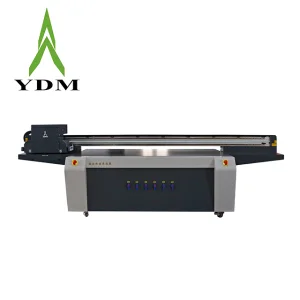
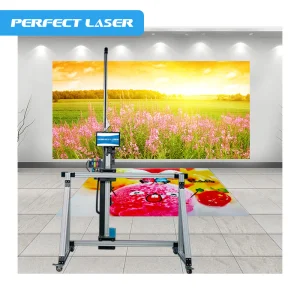
Explore our premium range of high-efficiency flatbed UV printers, custom wall printers, and specialized industrial manufacturing accessories.
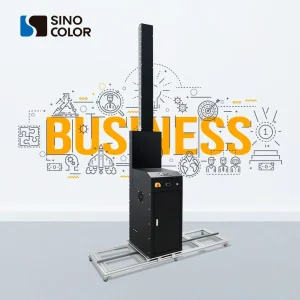
Analyzing the shift from analogue methodologies to high-resolution, on-demand digital inkjet manufacturing frameworks.
The global industrial printing market is undergoing a significant paradigm shift. The transition from rotary screen-printing to digital inkjet decoration technologies is driven by changing consumer behaviors: demands for micro-runs, rapid prototyping, hyper-customization, and reduced ecological footprints.
Traditional setups require significant capital and preparation time for copper plates or screens. Digital solutions enable print-on-demand architectures, eliminating setup fees and minimizing storage requirements.
Modern print systems can easily adapt to different substrates. UV-curable and specialized pigment systems print directly onto glass, ceramic, wood, metals, acrylics, and complex textile composites.
Water scarcity and carbon emission goals are forcing factories to transition to dry processing. Digital printing reduces water consumption by up to 90% and chemical usage by up to 60% compared to wet processing lines.
| Performance Dimension | Analogue Screen Printing | Industrial Digital Inkjet Solutions | Impact on ROI & Scalability |
|---|---|---|---|
| Setup Time & Tooling | High (requires screen/plate creation, inks mixing, alignment) | Near-Zero (direct digital file rasterization) | Drastically accelerates time-to-market. |
| Minimum Order Quantity (MOQ) | High (typically >1,000 meters or pieces to cover setup costs) | 1 piece (economically viable micro-runs) | Enables zero-inventory e-commerce logistics. |
| Color Gamut & Complexity | Limited by the number of print heads/screens (typically 6-12) | Unlimited gradient tones (CMYK + White + Varnish + Light Inks) | Supports high-resolution photography and complex 3D texturing. |
| Environmental Footprint | High chemical waste, heavy water usage for washing cycles | Low ink wastage, clean dry process, minimal emissions | Ensures compliance with strict global environmental regulations. |
A deep dive into advanced printhead arrays, UV LED curing systems, and high-performance ink chemistry.
The performance of modern digital printers depends on their drop-on-demand (DoD) piezo printheads. Industrial models like the Ricoh Gen5/Gen6 and the Epson i3200 utilize piezoelectric actuators. When a voltage pulse is applied, these actuators compress the ink chamber, ejecting droplets as small as 2.5 picoliters.
This precision allows for fine text and sharp gradients. By using variable dot technology (Greyscale printing), the system dynamically adjusts drop sizes, balancing high-speed block printing with detailed rendering.
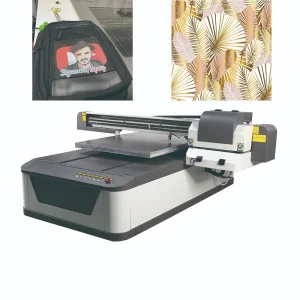
"For industrial decoration on non-porous materials like glass and ceramic tiles, ink stability is essential. Systems like the Digital Inkjet 6090 feature White Ink Circulation Systems. This process prevents heavy titanium dioxide pigments from settling, avoiding nozzle clogging and ensuring consistent operation."
UV LED lamps generate light output at 395nm wavelength to initiate polymerization. This reaction instantly transforms liquid UV monomer inks into a solid, durable polymer film. This process is energy efficient and generates minimal heat, allowing for printing on heat-sensitive substrates like wood-grain films and acrylic boards.
A trusted industrial digital printing manufacturer delivering advanced ceramic, glass, and surface decoration systems.
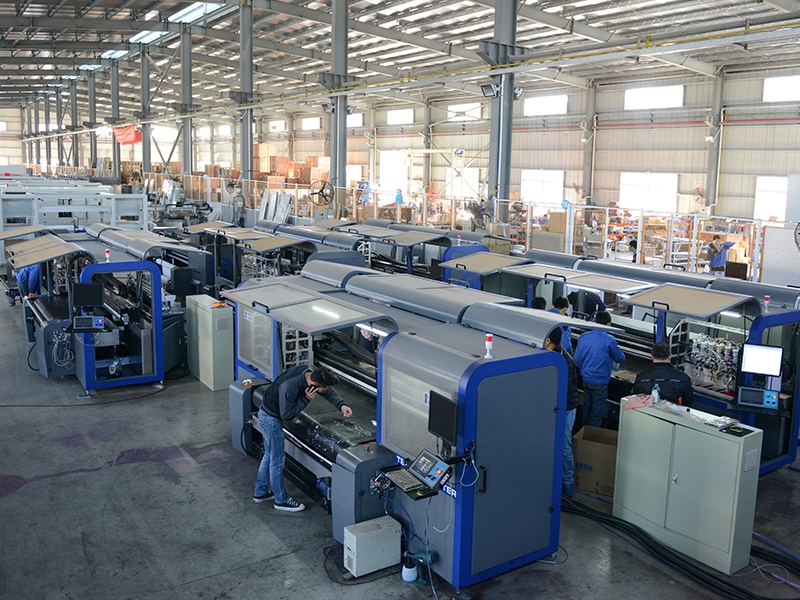
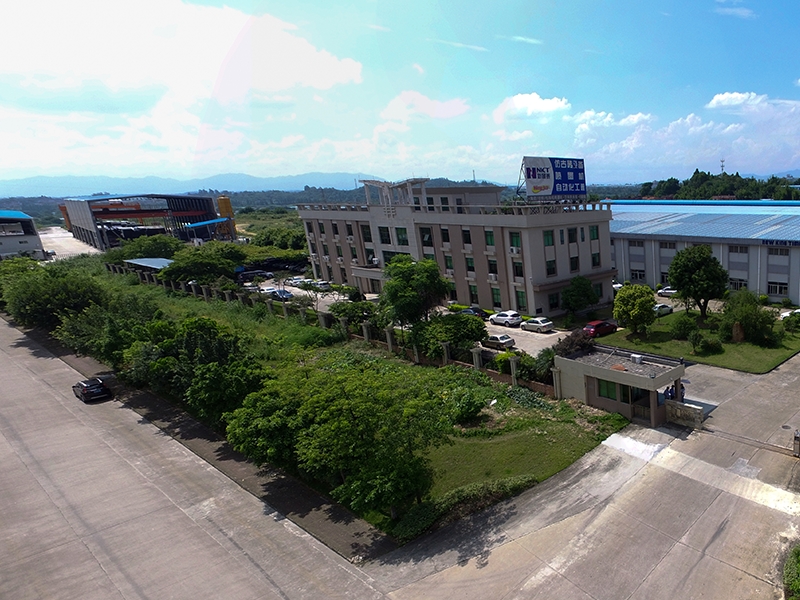
Foshan Magly Printer Co., Ltd. is a professional Industrial Digital Printing Machine Manufacturer dedicated to delivering advanced ceramic and glass inkjet printing solutions as well as integrated surface decoration systems for modern manufacturing industries. Based in Foshan, a key hub for ceramics and industrial equipment in China, the company benefits from a strong supply chain and extensive industry expertise.
Magly operates a modern production facility covering over 7,000 square meters, supported by a skilled team of more than 100 employees, including experienced engineers, R&D specialists, and technical service professionals. The company focuses on developing high-precision digital printing machines that ensure excellent color performance, stable operation, and compatibility with a wide range of materials such as ceramic tiles, architectural glass, and decorative panels.
With a commitment to innovation and quality, Foshan Magly Printer Co., Ltd. integrates advanced inkjet technology with automated control systems to help customers improve production efficiency, reduce waste, and achieve flexible, customized designs. Its solutions are widely applied in building materials, interior decoration, and industrial manufacturing sectors.
Driven by continuous research and customer-oriented service, Magly is expanding its global presence, offering reliable, efficient, and future-ready surface decoration solutions to partners worldwide.
Analyzing how digital decoration technology operates in diverse industrial production settings.
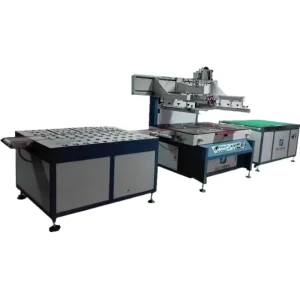
Architectural glass requires high adhesion and resistance to environmental factors. Using automated screen printing and flatbed UV systems with special adhesion promoters, operators can print complex graphics directly onto architectural glass panels, partition walls, and splashbacks.
In ceramics, digital inkjet systems deposit inorganic pigments onto green ceramic bodies before firing at temperatures exceeding 1000°C. This allows for high-durability, textured prints that mimic natural stone and wood surfaces.
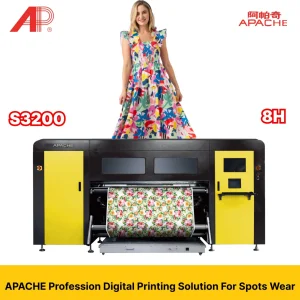
Modern textile printers print directly onto fabrics with reactive, acid, or pigment inks. For synthetic fibers, dye-sublimation processes transfer prints with vibrant colors. These systems are used in fashion, upholstery, and soft signage applications.
Environmental Management Highlight: Modern printing processes generate industrial wastewater containing synthetic dyes and heavy metals. Integrating ozone generators, such as the 700g/H High Performance Ozone Generator, provides a solution. Ozone acts as a strong oxidant, breaking down color molecules and degrading complex organic dyes, allowing factories to achieve zero-liquid-discharge (ZLD) status and comply with local environmental regulations.
Expert answers addressing the key technical and commercial considerations of industrial digital printing integration.
Piezo drop-on-demand technology uses piezoelectric crystals that deform under electric currents to eject ink droplets. This mechanical process does not generate heat, making it compatible with a wider variety of inks, including UV-curable, solvent, water-based, and sublimation inks. In contrast, thermal printheads rely on high heat to vaporize ink solvents to eject droplets, which limits formulation choices and shortens printhead lifespans when printing with aggressive industrial pigments.
White UV inks contain titanium dioxide (TiO2), a dense pigment used to achieve high opacity. If left static, these heavy particles settle out of suspension, leading to pigment sedimentation within the ink lines and printhead nozzles, resulting in clogs. A continuous circulation system moves the white ink between the main tank and the printhead assembly, keeping the pigment suspended. This reduces nozzle clogging, maintains consistent print quality, and decreases manual cleaning requirements.
Wastewater from printing and dyeing processes contains high levels of chemical oxygen demand (COD), synthetic organic pigments, and toxic chemicals. Ozone (O3) is a strong oxidizing agent. When introduced to wastewater, it breaks down the complex molecular double-bonds of organic dyes. This decolorizes the water, decomposes refractory organics into biodegradable substances, and reduces total COD, facilitating compliance with environmental discharge regulations.
Adhesion depends on surface energy, curing energy, and ink chemistry. Non-porous surfaces like glass have low surface energy, which can cause inks to bead. Surface treatment processes, such as flame treatment or applying chemical primers (adhesion promoters), increase surface energy to improve wetting. Additionally, delivering the correct UV exposure (curing energy measured in mJ/cm²) ensures complete polymerization, forming a strong bond between the ink and the substrate.
3D texturing is achieved by layering white ink. The printer deposits multiple passes of high-density white ink onto specific areas to build physical relief. Once the textured base is created, color inks (CMYK) are printed over it and cured instantly with UV LED lights, resulting in a three-dimensional visual and tactile effect on materials like drywall, wood panels, glass, or metals.
Browse our complete catalog of screen printing machines, compact UV printers, glass processing equipment, and industrial accessories.
 Magly Printer