Explore our high-performance digital inkjet printers engineered for industrial scalability, reliability, and precision.
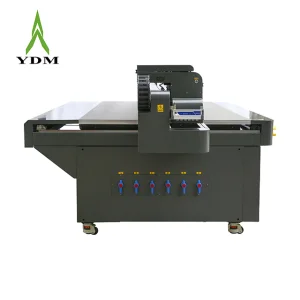
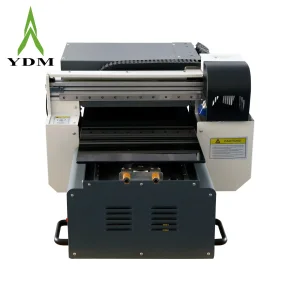
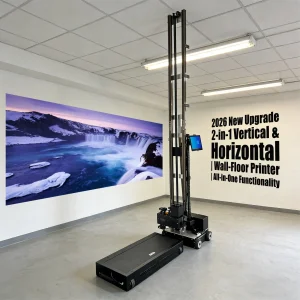
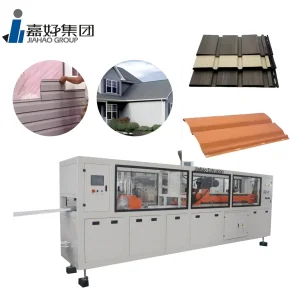

An authoritative analysis of modern surface decoration technologies, manufacturing paradigms, and OEM/ODM integration strategies.
In the modern manufacturing landscape, the transition from traditional analog printing methods—such as screen printing and rotogravure—to Industrial Digital Inkjet Printing has emerged as a cornerstone of Industry 4.0. This shift is driven by the demand for hyper-customization, rapid prototyping, reduced waste, and seamless integration into automated production lines.
As a leading global supplier, we specialize in bridging the gap between complex engineering requirements and cost-effective manufacturing. Our systems leverage advanced piezoelectric drop-on-demand (DoD) technology, high-viscosity ink handling, and state-of-the-art UV LED curing systems to deliver exceptional print quality on virtually any substrate, including glass, ceramics, metals, plastics, and wood.
By operating at the intersection of mechanical precision and software intelligence, we provide global enterprises with the tools necessary to achieve high-resolution outputs (up to 2400dpi) while maintaining the structural integrity and durability required for industrial applications.
A premier manufacturer of industrial digital printing machinery and integrated surface decoration systems.
Foshan Magly Printer Co., Ltd. is a professional Industrial Digital Printing Machine Manufacturer dedicated to delivering advanced ceramic and glass inkjet printing solutions as well as integrated surface decoration systems for modern manufacturing industries. Based in Foshan, a key hub for ceramics and industrial equipment in China, the company benefits from a strong supply chain and extensive industry expertise.
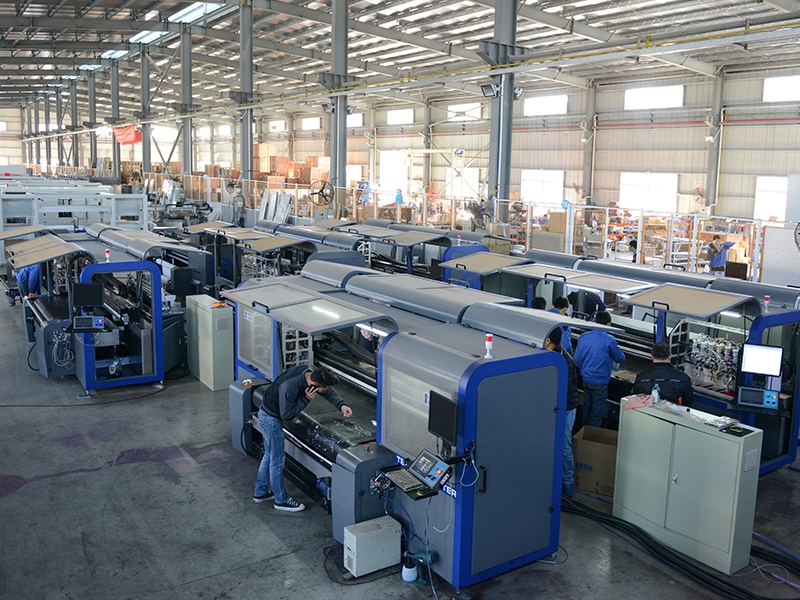
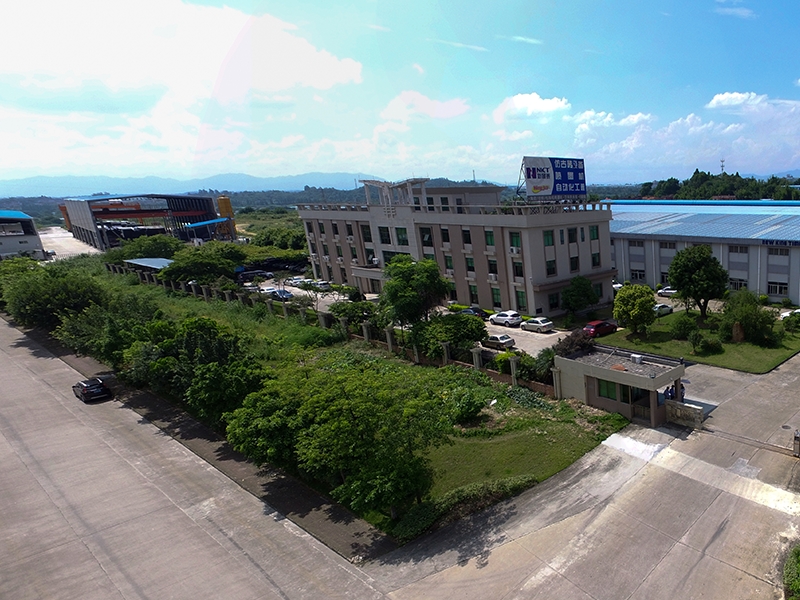
Magly operates a modern production facility covering over 7,000 square meters, supported by a skilled team of more than 100 employees, including experienced engineers, R&D specialists, and technical service professionals. The company focuses on developing high-precision digital printing machines that ensure excellent color performance, stable operation, and compatibility with a wide range of materials such as ceramic tiles, architectural glass, and decorative panels.
With a commitment to innovation and quality, Foshan Magly Printer Co., Ltd. integrates advanced inkjet technology with automated control systems to help customers improve production efficiency, reduce waste, and achieve flexible, customized designs. Its solutions are widely applied in building materials, interior decoration, and industrial manufacturing sectors. Driven by continuous research and customer-oriented service, Magly is expanding its global presence, offering reliable, efficient, and future-ready surface decoration solutions to partners worldwide.
Analyzing the supply chain density, R&D agility, and cost-efficiency of Foshan-based manufacturing.
Foshan is globally recognized as the epicenter of ceramic and industrial machinery production. This geographic concentration allows us to source high-grade raw materials, precision guide rails, advanced printhead assemblies, and electronic components with minimal lead times, translating to faster delivery for our global partners.
Unlike rigid Western manufacturing setups, Chinese factories excel at rapid prototyping and custom engineering. Whether you require a specialized ink circulation system for heavy sediments or a custom-built physical chassis to fit an existing assembly line, our R&D team can deliver functional prototypes in record time.
By optimizing manufacturing processes and leveraging economies of scale, we provide industrial-grade equipment at a fraction of the cost of European or American counterparts. This allows global buyers to maximize their ROI without compromising on component quality or operational longevity.
Key trends shaping the future of digital surface decoration and industrial manufacturing.
While multi-pass flatbed printers remain the standard for high-resolution, low-to-medium volume jobs, Single-Pass technology is rapidly dominating high-volume packaging and textile lines. By keeping the printheads stationary and moving the substrate underneath at high speeds, single-pass systems achieve throughput rates comparable to traditional analog presses.
Environmental regulations (such as REACH and RoHS) are forcing a transition away from volatile organic compound (VOC) solvent inks. The industry is heavily investing in water-based pigment inks and low-energy UV LED curable formulations. These advancements ensure safety in food packaging and indoor building materials.
Modern industrial printers are increasingly incorporating AI algorithms to monitor printhead health in real-time. Automated systems can detect clogged nozzles, adjust voltage pulses dynamically to compensate for deflection, and schedule self-cleaning cycles to minimize downtime.
| Technology Feature | Traditional Analog | Modern Digital (Inkjet) |
|---|---|---|
| Setup Time | Hours to Days (Plates/Screens) | Minutes (Digital File Upload) |
| Minimum Run | High (Thousands of units) | 1 Unit (Print-on-Demand) |
| Variable Data | Impossible | Fully Supported (Barcodes, Serialization) |
| Ink Waste | High (Cleaning & leftover ink) | Minimal (Precise picoliter drops) |
| Substrate Flexibility | Limited by contact pressure | Non-contact (Prints on textured surfaces) |
How our industrial printing systems solve real-world production challenges across diverse sectors.
In the construction sector, durability is paramount. Our specialized glass and ceramic printing lines utilize inorganic ceramic frit inks. Once printed, the substrate is fired in a tempering furnace, fusing the ink directly into the glass matrix. This creates scratch-resistant, UV-stable, and weather-proof architectural facades and decorative panels.
With the e-commerce boom, packaging has become a key branding touchpoint. Our high-speed digital systems allow packaging manufacturers to print high-resolution, full-color designs directly onto corrugated boards, eliminating the need for laminated paper liners and significantly reducing production costs.
Precision is critical when printing conductive inks or functional layers on membrane switches and control panels. Our high-resolution flatbed systems print precise dielectric layers, graphic overlays, and capacitive touch panels with sub-millimeter accuracy, ensuring perfect electrical performance.
A structured framework for international buyers seeking tailored industrial printing solutions.
Sourcing industrial machinery requires a rigorous vetting process. As an established OEM/ODM partner, we have structured our engineering and production workflows to align with international standards, ensuring seamless integration and reliable performance.
Every machine leaving our 7,000-square-meter facility undergoes a strict 72-hour continuous operation test. We calibrate mechanical alignments using laser interferometers to guarantee structural precision. Furthermore, all electrical systems are built to meet CE, UL, and RoHS compliance standards, ensuring hassle-free customs clearance and safe operation in your local market.
Technical answers to common questions regarding industrial digital printing systems and procurement.
Our machines are engineered to support a variety of industrial printheads depending on the application. We commonly integrate Epson i3200-U1/XP600 heads for high-resolution graphic applications, and Ricoh Gen5/Gen6 or Kyocera printheads for high-speed, heavy-duty industrial production lines requiring continuous operation and long lifespans.
Yes. Because digital inkjet printing is a non-contact process, our systems can print on textured materials such as wood grain PVC siding, ceramic tiles with relief patterns, and textured glass. The printhead height can be dynamically adjusted, and we utilize specialized printheads with high-gap printing capabilities to maintain sharpness even on uneven surfaces.
White ink contains titanium dioxide, which tends to settle over time and clog nozzles. To prevent this, our printers are equipped with an automatic white ink stirring and continuous circulation system. This keeps the pigment particles in suspension throughout the ink path, ensuring consistent density and preventing printhead clogging.
For standard configurations, the lead time is typically 15 to 20 business days. For custom OEM/ODM projects involving structural modifications, specialized ink delivery systems, or custom PLC integration, the lead time ranges from 30 to 45 business days, including rigorous testing and calibration phases.
Absolutely. We provide comprehensive global support, including remote video diagnostics, detailed installation manuals, and software training. For large-scale industrial lines, we can dispatch experienced field engineers to your facility for on-site installation, calibration, and operator training.
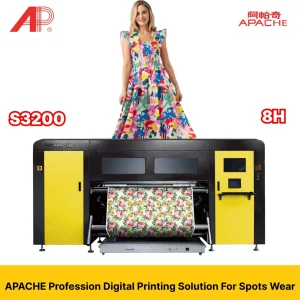
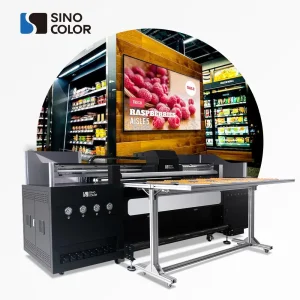
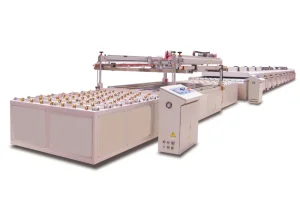
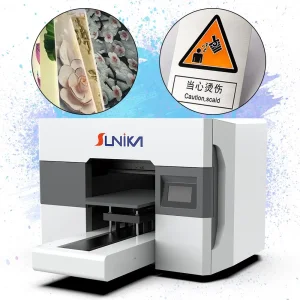
From high-efficiency label makers to large-format hybrid systems, discover the ideal machinery for your production needs.

 Magly Printer