Explore our cutting-edge machinery designed for high-resolution output across wall printing, UV flatbed setups, and specialized substrates.

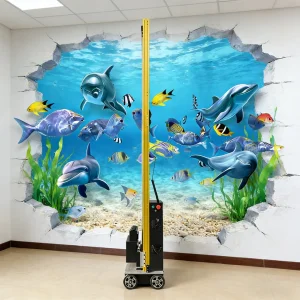
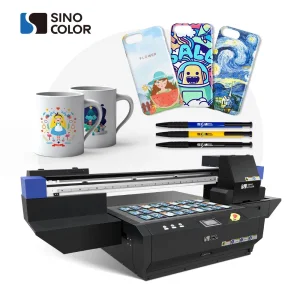
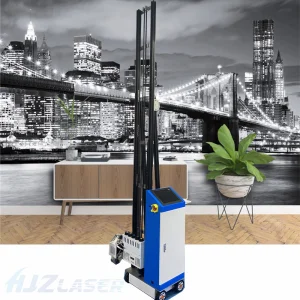

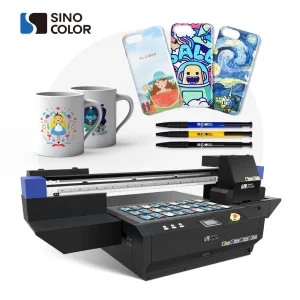
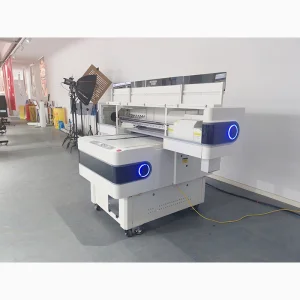
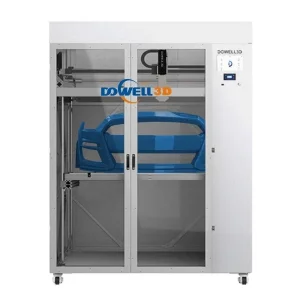
Foshan Magly Printer Co., Ltd. is a professional Industrial Digital Printing Machine Manufacturer dedicated to delivering advanced ceramic and glass inkjet printing solutions as well as integrated surface decoration systems for modern manufacturing industries. Based in Foshan, a key hub for ceramics and industrial equipment in China, the company benefits from a strong supply chain and extensive industry expertise.
Magly operates a modern production facility covering over 7,000 square meters, supported by a skilled team of more than 100 employees, including experienced engineers, R&D specialists, and technical service professionals. The company focuses on developing high-precision digital printing machines that ensure excellent color performance, stable operation, and compatibility with a wide range of materials such as ceramic tiles, architectural glass, and decorative panels.
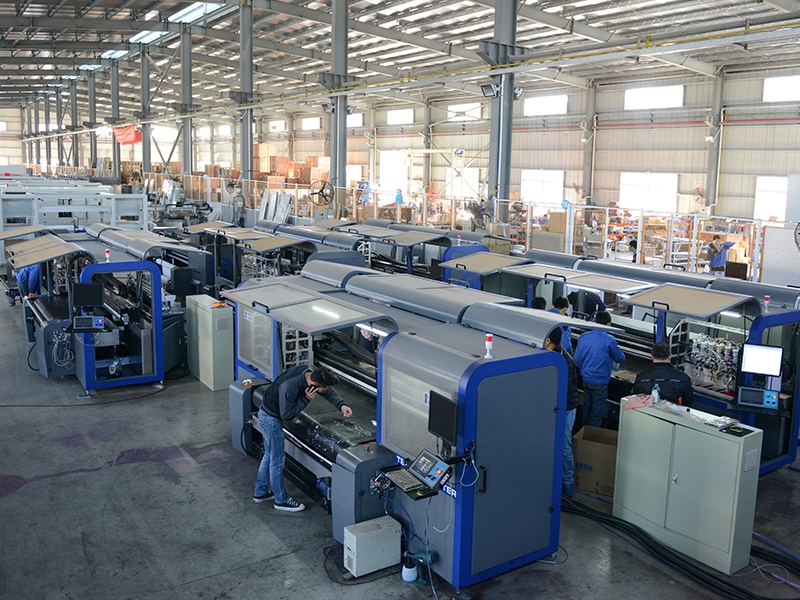
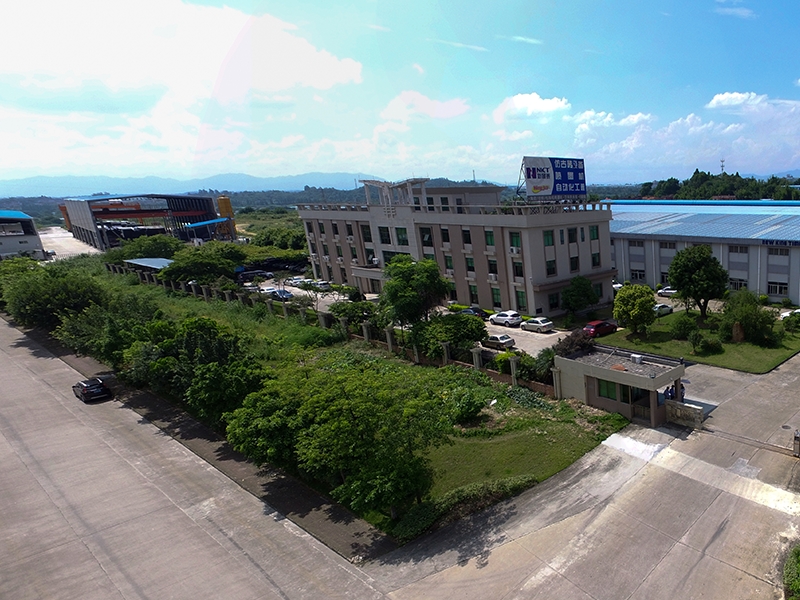
With a commitment to innovation and quality, Foshan Magly Printer Co., Ltd. integrates advanced inkjet technology with automated control systems to help customers improve production efficiency, reduce waste, and achieve flexible, customized designs. Its solutions are widely applied in building materials, interior decoration, and industrial manufacturing sectors.
Driven by continuous research and customer-oriented service, Magly is expanding its global presence, offering reliable, efficient, and future-ready surface decoration solutions to partners worldwide.
Square Meters Plant
Expert Technicians
Global Export Regions
DPI High-Resolution Support
An in-depth whitepaper on the integration of high-resolution digital inkjet engines, localized manufacturing support, and structural engineering compliance.
The global commercial packaging landscape is experiencing a fundamental transition. Traditional mass-manufacturing models are yielding to the demands of localized customization, dynamic product variations, and short-run production. At the core of this transition are Packaging Digital Solutions, designed to bypass the physical tooling limits of legacy offset and flexographic printing. Digital inkjet engines eliminate setup phases, plates, and compound chemical wastes, granting OEM/ODM clients a seamless route from digital file configurations directly to physical printing outputs on multi-layered media.
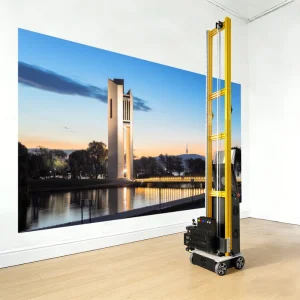
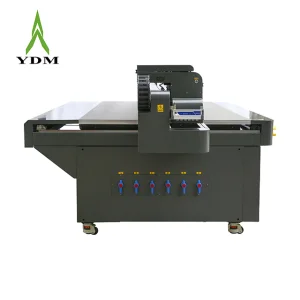
Whether deploying UV LED curing mechanisms on tempered architectural glass, high-adhesion formulations on engineering ceramics, or multi-axis direct-to-object wall printers, modern operations require versatile substrates handling. From a macro-industrial standpoint, these digital systems reduce supply chain inventory dependencies. Brands no longer need to hold thousands of pre-printed structural containers. Instead, they store generic materials and print localized designs in real-time, drastically reducing transit footprints and logistics overheads.
Across diverse geographical blocks, regional demands for industrial decoration vary based on consumer demographics and local regulations. In North America and the European Union, sustainability frameworks demand strict waste mitigation and low Volatile Organic Compound (VOC) emissions. Here, UV flatbed printers using LED-based cure-on-demand technology allow compliance with green building standards like LEED and BREEAM.
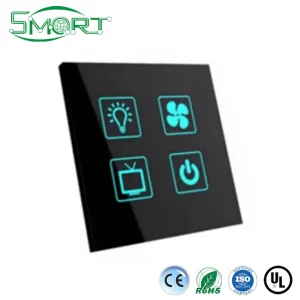
In the Asia-Pacific region, the expansion of high-speed infrastructure, decorative glass facades, and electronic control panels has triggered massive demands for membrane switch systems and high-resolution industrial printing. Because manufacturing hubs are situated globally, having an OEM/ODM provider that excels in cross-border equipment exportation is critical. Hardware stability during transit, localized voltage configuration (e.g., 220V/380V three-phase systems), and compatibility with international RIP software (such as Onyx or Caldera) dictate the commercial viability of digital printing installations.
"Digital printing is not merely an aesthetic enhancement; it is a structural logistics enabler that transitions manufacturing from a reactive push model to an active pull model." - Foshan Magly Engineering Team
Understanding the hardware mechanics is essential for system integrators. Our product lineup bridges two distinct fields of industrial fabrication: high-resolution inkjet imaging and large-scale additive manufacturing.
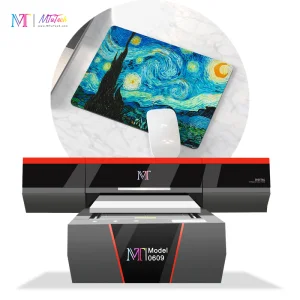
For micro-droplet precision, the integration of Epson i3200 and Ricoh Gen5 printheads represents the pinnacle of industrial droplet control. These heads utilize piezoelectric actuators that deform under precise electrical charges, firing droplets down to 3.5 picoliters. Combined with CMYKW + Varnish configurations, they achieve true photographic resolution (up to 2400 DPI) directly onto non-porous surfaces like acrylic panels and tempered glass.
Simultaneously, the development of large-scale pellet extrusion systems (exemplified by the Dp-A1616-16 FGF Industrial Pellet 3D Printer) introduces additive manufacturing directly to the architectural mold sector. Instead of using expensive filament spools, these systems feed directly from industrial polymer pellets (such as ABS, carbon-fiber reinforced PETG, or polycarbonate), lowering material costs by up to 80% while enabling the rapid layout of large architectural decorative component molds.
Hardware reliability is only as good as the integration ecosystem surrounding it. Every market presents specific mechanical safety and electrostatic compliance demands. For instance, exporting industrial machinery to the European market requires adherence to CE Machinery Directives (2006/42/EC) and Electro-Magnetic Compatibility (EMC) testing. For this reason, systems like the LC-A2 are certified by independent bodies to assure trouble-free integration into operational production floors.
Our OEM/ODM capability covers structural custom layout changes (e.g., custom rail dimensions for multi-meter outdoor wall printers), firmware tailoring, and chemical engineering adjustments for localized ink sets. We supply global distributors with spare parts provisioning, printhead recovery solutions, and remote API debugging support, ensuring minimal operational downtime.
Where do these systems operate daily?
Why global manufacturers partner with Foshan Magly for digital decoration machinery.
Utilizing micro-piezo printheads with variable droplet control down to 3.5pl for photorealistic outputs.
Engineered to print seamlessly on metals, resins, glass, ceramics, wood, leather, and polymer composites.
Equipped with advanced LED UV curing systems, minimizing energy output and VOC emission properties.
Engineered configurations for heavy-duty industrial environments and architectural-scale manufacturing.
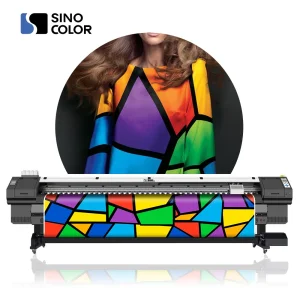
The horizon of packaging digitalization is inextricably linked to raw materials advancement. In the coming decade, we project the dominance of bio-compatible UV inks and inorganic pigmentation formulations. These materials withstand continuous outdoor solar exposure without yellowing or structural shear loss, which is highly critical for wall printers and exterior glass structures.
Furthermore, integration with AI-powered RIP engines enables print-dynamic color calibration. Real-time scanning sensors read droplet placements and adjust output parameters on the fly, compensating for substrate variations (e.g., natural timber patterns or ceramic non-uniformities). These smart algorithms are transforming digital flatbed printing from a static preset process into an adaptive, self-learning ecosystem.
Find expert answers regarding configuration, substrate preparation, and industrial compliance for our digital solutions.
 Magly Printer