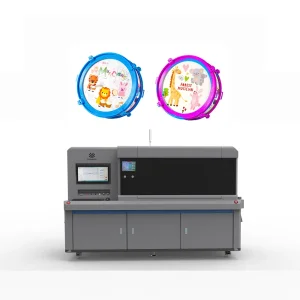
The industrial landscape is undergoing a paradigm shift from traditional flat printing to immersive, tactile 3D effect digital printing. Globally, the demand for "haptic" experiences—where textures can be felt as well as seen—is driving massive investment in UV DTF and large-scale industrial 3D printers. In 2024, the market for 3D digital printing is no longer restricted to prototyping; it has moved into high-volume manufacturing for interior decor, automotive components, and personalized consumer goods.
Enterprises in Europe and North America are increasingly sourcing from China due to the rapid integration of AI-controlled extrusion systems and the cost-efficiency of Pellet (FGF) 3D printing technology. This technology allows for the direct use of plastic granules, reducing material costs by up to 70% compared to traditional filaments, making large-scale 3D production economically viable for the first time.
Modern 3D printers are now capable of layering ink with micron-level precision to mimic natural wood grain, leather textures, and stone reliefs. The boundary between digital print and natural material is vanishing.
Integration of AI for real-time print bed leveling, nozzle monitoring, and cloud-based fleet management (WiFi remote control) is becoming the industry standard for 24/7 manufacturing plants.
Fused Granular Fabrication (FGF) is the leading trend, allowing factories to recycle waste plastic directly into new 3D printed structures, aligning with global ESG and sustainability goals.
Foshan Magly Printer Co., Ltd. is a professional Industrial Digital Printing Machine Manufacturer dedicated to delivering advanced ceramic and glass inkjet printing solutions as well as integrated surface decoration systems for modern manufacturing industries. Based in Foshan, a key hub for ceramics and industrial equipment in China, the company benefits from a strong supply chain and extensive industry expertise.
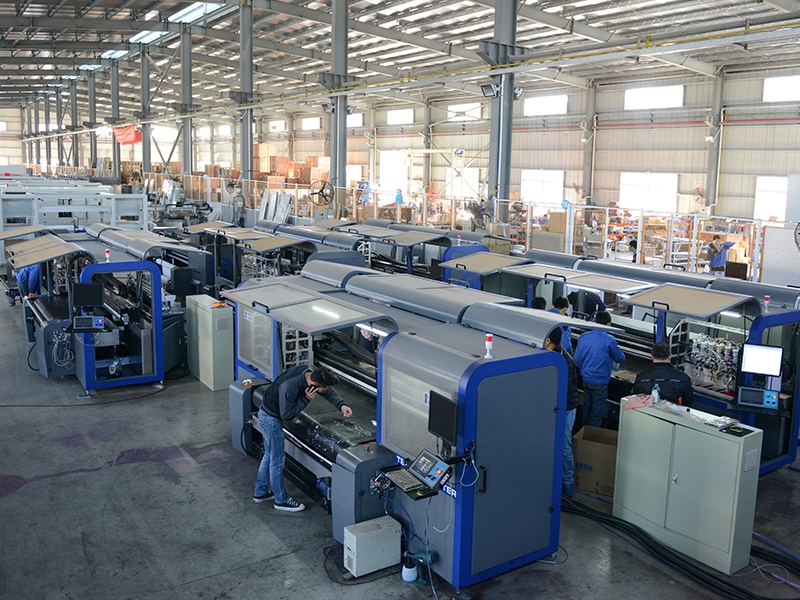
Magly operates a modern production facility covering over 7,000 square meters, supported by a skilled team of more than 100 employees, including experienced engineers, R&D specialists, and technical service professionals. The company focuses on developing high-precision digital printing machines that ensure excellent color performance, stable operation, and compatibility with a wide range of materials such as ceramic tiles, architectural glass, and decorative panels.
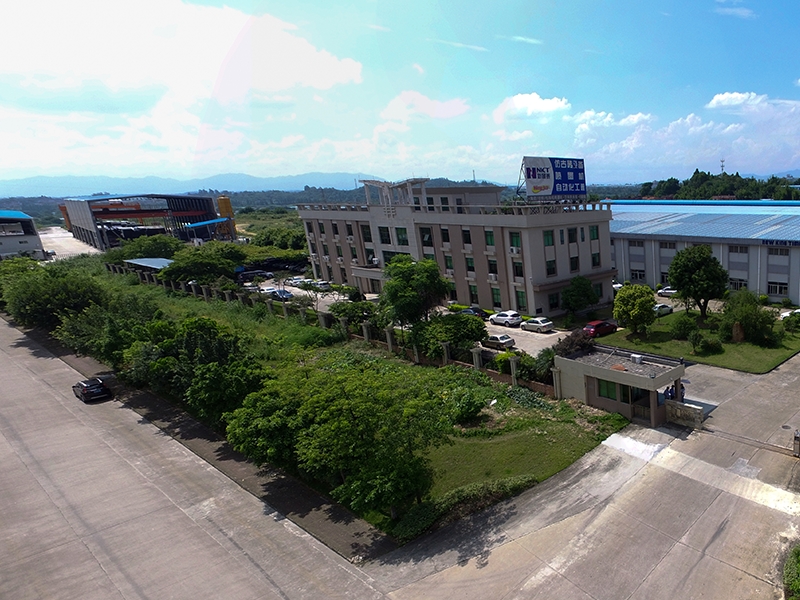
With a commitment to innovation and quality, Foshan Magly Printer Co., Ltd. integrates advanced inkjet technology with automated control systems to help customers improve production efficiency, reduce waste, and achieve flexible, customized designs. Its solutions are widely applied in building materials, interior decoration, and industrial manufacturing sectors.
Driven by continuous research and customer-oriented service, Magly is expanding its global presence, offering reliable, efficient, and future-ready surface decoration solutions to partners worldwide.
By leveraging the Foshan industrial cluster, we provide high-end 3D effect printers at a fraction of the cost of European competitors without compromising on the quality of core components like Epson or Ricoh printheads.
We control the entire process from R&D to assembly. This allows for bespoke customization of print bed sizes (up to 1600mm+) and extrusion systems tailored to specific industrial materials.
With decades of experience in global trade, we ensure sea-worthy packaging, CE certification, and rapid doorstep delivery with full technical support in English.
Sqm Production Base
R&D Specialists
Export Countries
Technical Support
Our 3D effect and industrial printers are versatile tools designed for a multitude of sectors. From architecture to personalized gifts, the possibilities are infinite.
Printing 3D ceramic murals and glass partitions for luxury hotels and residential projects. Our Vertical Wall Printers bring art directly to the site.
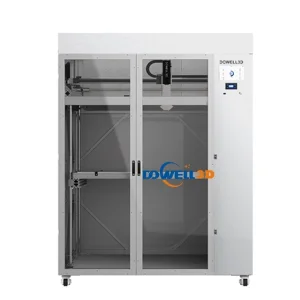
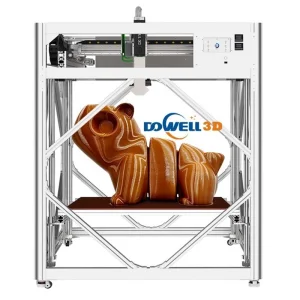
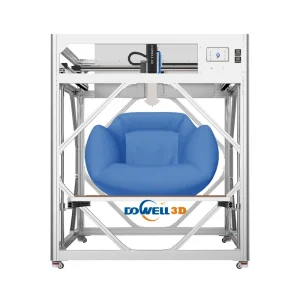
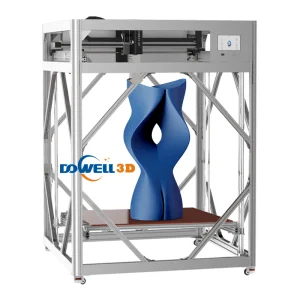
Using Large Scale Pellet 3D Printers to create automotive molds, furniture prototypes, and structural components with high-speed FGF extrusion.
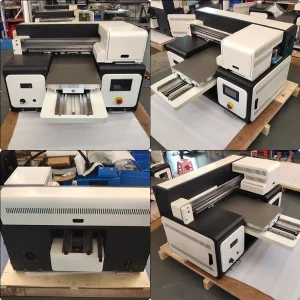
Adding luxury 3D wood grain and embossed effects to paper packaging, leather goods, and PVC promotional items using UV DTF Flatbed technology.
The rise of China as a powerhouse for 3D digital printing is no accident. It is the result of massive investment in the "Industrial 4.0" initiative. At Foshan Magly Printer Co., Ltd., we have seen how the transition from basic inkjet to multi-layer UV deposition has changed the decorative market.
Traditional printing methods like screen printing or rotogravure require massive setup costs and are limited to 2D patterns. However, our Single Pass UV Flatbed Printers allow for variable data printing with zero setup time. This is the key to unlocking greater profit margins in a market that demands "Mass Customization." Whether it's a single tombstone with a photo-realistic 3D ceramic finish or thousands of square meters of wood-grain film, our machines handle the task with the same efficiency.
When global buyers search for a 3D printer supplier in China, they look for three things: Stability, Scalability, and Support. Magly addresses these needs through our rigorous QC process. Every machine undergoes a 72-hour continuous print test before shipping. We understand that in an industrial environment, downtime is lost revenue. Therefore, our machines feature high-flow screw extrusion and auto-leveling systems to minimize human error and maintenance requirements.
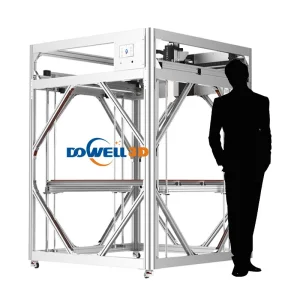
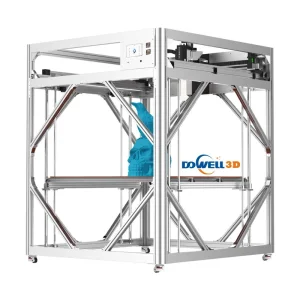
The shift toward Pellet Extrusion (FGF) is particularly significant for the construction and furniture industries. Large imprimante 3D systems that can print up to 1000mm x 1000mm x 1600mm are now being used to print outdoor benches, artistic columns, and even emergency housing components. By using raw plastic granules (pellets) instead of processed filament, industrial users can realize a return on investment (ROI) much faster.
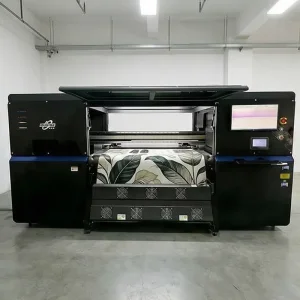
Our 3D Effect Digital Printers are not just machines; they are complete "Surface Decoration Systems." By combining CMYK + White + Varnish inks, we create a lens-like effect on surfaces that can simulate depth, movement, and complex textures. This is highly sought after in the architectural glass industry, where "smart glass" and decorative partitions are growing at a CAGR of 15% annually.
 Magly Printer