In the current era of "On-Demand Manufacturing," transfer printing solutions have transcended traditional textile boundaries to become a cornerstone of industrial surface decoration. From automotive interiors to high-end architectural glass, the shift from analog screening to high-speed digital transfer is driven by the need for Information Gain in supply chain agility.
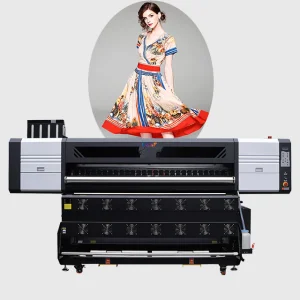
The global transfer printing market is projected to reach $12.5 billion by 2028. This growth is fueled by the rise of "E-commerce-driven customization" and a significant technological pivot toward Sublimation and DTF (Direct-to-Film) technologies.
Manufacturers are no longer just selling machines; they are providing integrated ecosystems. High-speed piezoelectric heads (like the Epson i3200) have reduced production downtime by 40% compared to previous generations.
Modern factories are integrating waterless printing processes. Transfer printing inherently reduces chemical waste by over 60% compared to traditional dye baths, making it the preferred choice for eco-conscious global brands.
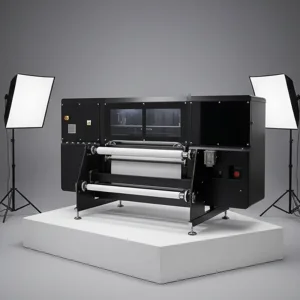
Foshan Magly Printer Co., Ltd. is a professional Industrial Digital Printing Machine Manufacturer dedicated to delivering advanced ceramic and glass inkjet printing solutions as well as integrated surface decoration systems for modern manufacturing industries.
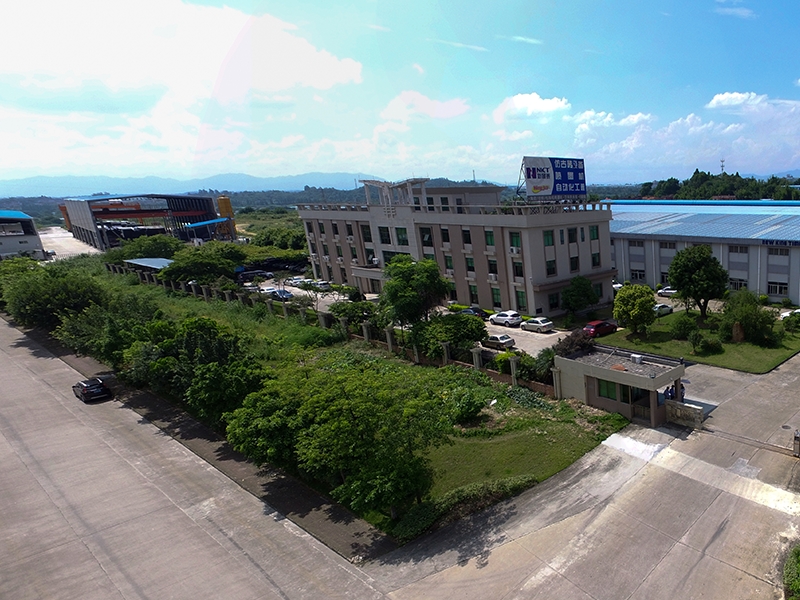
Based in Foshan, a key hub for ceramics and industrial equipment in China, the company benefits from a strong supply chain and extensive industry expertise.
Magly operates a modern production facility covering over 7,000 square meters, supported by a skilled team of more than 100 employees, including experienced engineers, R&D specialists, and technical service professionals.
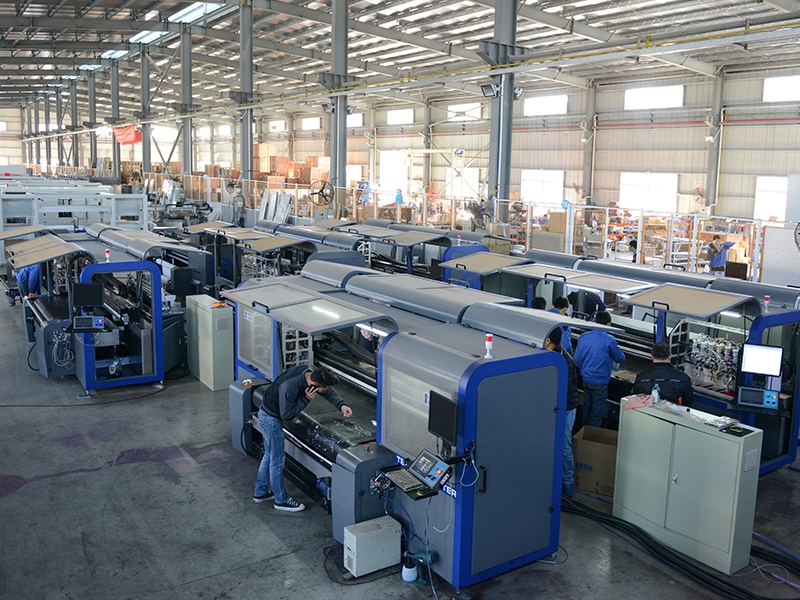
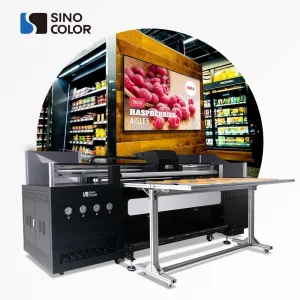
The company focuses on developing high-precision digital printing machines that ensure excellent color performance, stable operation, and compatibility with a wide range of materials such as ceramic tiles, architectural glass, and decorative panels. With a commitment to innovation and quality, Foshan Magly Printer Co., Ltd. integrates advanced inkjet technology with automated control systems to help customers improve production efficiency, reduce waste, and achieve flexible, customized designs.
The trajectory of transfer printing is moving toward "Intelligent Autonomy." We are seeing a convergence of AI-driven color management and multi-substrate versatility.
Integrating machine learning algorithms to predict ink absorption rates on diverse materials, ensuring Delta-E < 1.0 across production batches.
The blending of UV-LED and traditional thermal transfer to create tactile, 3D textures (Embossed effects) on rigid substrates like glass and metal.
Development of fully biodegradable transfer films and water-based resin inks that meet the strictest European REACH and RoHS standards.
Top-tier manufacturers like those in the Top 10 list focus on End-to-End Solutions. It's not just about the printer; it's about the workflow integration.
| Industry Vertical | Core Challenge | Transfer Printing Solution |
|---|---|---|
| Architectural Glass | Durability & Light Fastness | Inorganic ceramic inks with high-temp fusion. |
| Home Textiles | Tactile Softness & Washability | Sublimation transfer with nano-disperse dyes. |
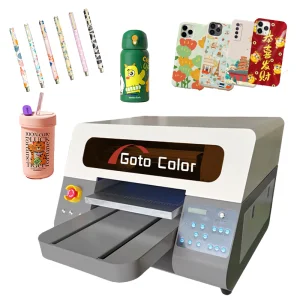
| Consumer Electronics | High Precision & Small Form Factors | A3/A4 Mini UV DTF for complex 3D surfaces. |
| Industrial Ceramics | Mass Customization | Synchronized multi-head industrial inkjet arrays. |
Driven by the "creator economy," DTF printing has localized production in micro-factories across the US and Canada, enabling 24-hour turnaround for custom gear.
Italy and Germany are leading the way in using transfer printing for eco-friendly furniture laminates and wood-grain PVC decorative films.
Vietnam and Indonesia are transitioning from manual screen printing to large-format sublimation to meet the high-volume demands of global athletic brands.
Q: What is the main difference between DTF and Sublimation?
A: Sublimation chemically bonds with polyester fibers at a molecular level, while DTF applies a printed film onto the surface with an adhesive powder, making it compatible with cotton and dark fabrics.
Q: How does Magly ensure the longevity of prints on glass?
A: Magly utilizes specialized UV-LED curing and high-adhesion primers, ensuring that prints pass rigorous scratch and weather-resistance tests for architectural use.
Q: Can these machines handle 24/7 industrial production?
A: Yes, industrial-grade printers from top factories are equipped with negative pressure ink systems and automatic cleaning cycles designed for continuous operation.
Q: What is the average ROI for an industrial digital printer?
A: Depending on the volume, most industrial clients see a return on investment within 12 to 18 months due to reduced labor and material waste.
The Top 10 Transfer Printing Manufacturers represent more than just machinery; they represent the frontier of digital transformation in manufacturing. Driven by continuous research and customer-oriented service, leaders like Magly are expanding their global presence, offering reliable, efficient, and future-ready surface decoration solutions to partners worldwide. Whether it's through high-precision inkjet technology or automated control systems, the future of the industry is clear: flexible, sustainable, and intelligent.
 Magly Printer