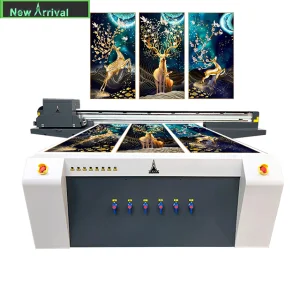
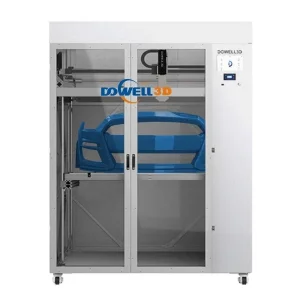
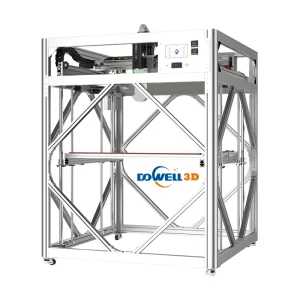
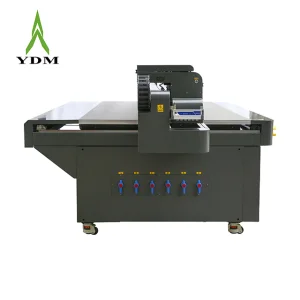
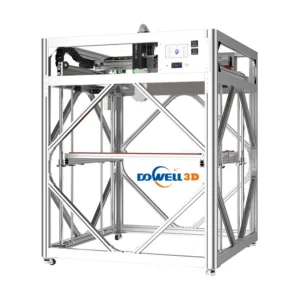
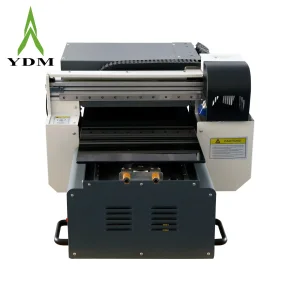
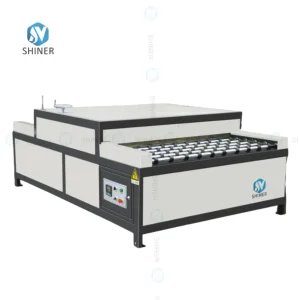
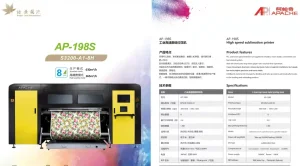
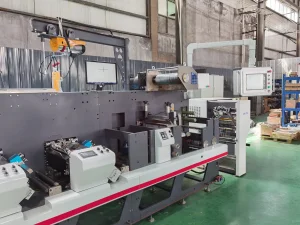
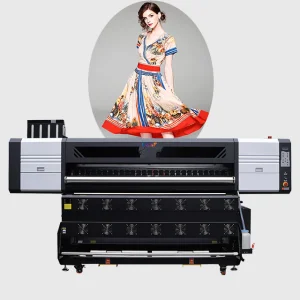
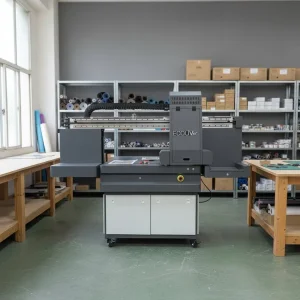
The landscape of architectural surface decoration and structural fabrication has undergone a seismic shift. No longer confined to traditional manual molding or static design, the sector has entered an era of Industrial Digitization. Architectural printing solutions—ranging from large-format UV flatbed printers to FGF (Fused Granular Fabrication) pellet 3D printers—are now the backbone of modern architectural design workflows.
Efficiency Gain in Prototyping
Material Optimization
Continuous Production Capacity
China has solidified its position as the global hub for industrial digital printing, not merely through volume, but through vertical integration. Modern factories in hubs like Foshan are leveraging "Factory 4.0" principles: the seamless integration of IoT sensors, data-driven print heads, and automated supply chains. This shift ensures that wholesale procurement is no longer just about lowest cost—it is about operational resilience.
By shortening the feedback loop between design intent and physical output, Chinese manufacturers provide global enterprises with the agility required for complex construction projects, interior design fit-outs, and rapid decorative component prototyping.
Global procurement teams are shifting focus from commoditized equipment to integrated ecosystem solutions. Whether it is glass decoration for commercial skyscrapers or high-precision molds for intricate facade panels, the requirement is for reliability. Chinese architectural printing factories now offer:
A: China has developed an unmatched ecosystem of supply chains for both core components (like industrial print heads and UV curing systems) and material sciences. This vertical integration allows for rapid iteration and high-cost efficiency without sacrificing industrial-grade quality.
A: Unlike traditional plastic filament printers, FGF pellet printers use industrial-grade granules. This reduces material costs significantly, allows for much faster print speeds for large-scale structural molds, and enables the use of structural composites that filament printers cannot handle.
A: Look for R&D capacity over simple assembly lines. Verify if they offer after-sales technical support in your timezone, provide comprehensive warranty for core components (like print heads), and have a proven track record of exporting to your specific regulatory market (e.g., CE, UL compliance).
Foshan Magly Printer Co., Ltd. is a professional Industrial Digital Printing Machine Manufacturer dedicated to delivering advanced ceramic and glass inkjet printing solutions as well as integrated surface decoration systems for modern manufacturing industries. Based in Foshan, a key hub for ceramics and industrial equipment in China, the company benefits from a strong supply chain and extensive industry expertise.
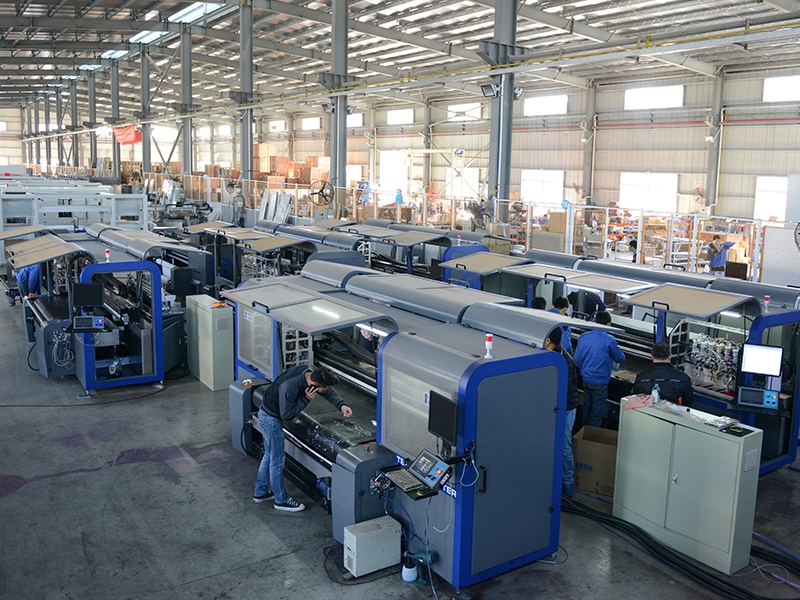
Magly operates a modern production facility covering over 7,000 square meters, supported by a skilled team of more than 100 employees, including experienced engineers, R&D specialists, and technical service professionals. The company focuses on developing high-precision digital printing machines that ensure excellent color performance, stable operation, and compatibility with a wide range of materials such as ceramic tiles, architectural glass, and decorative panels.
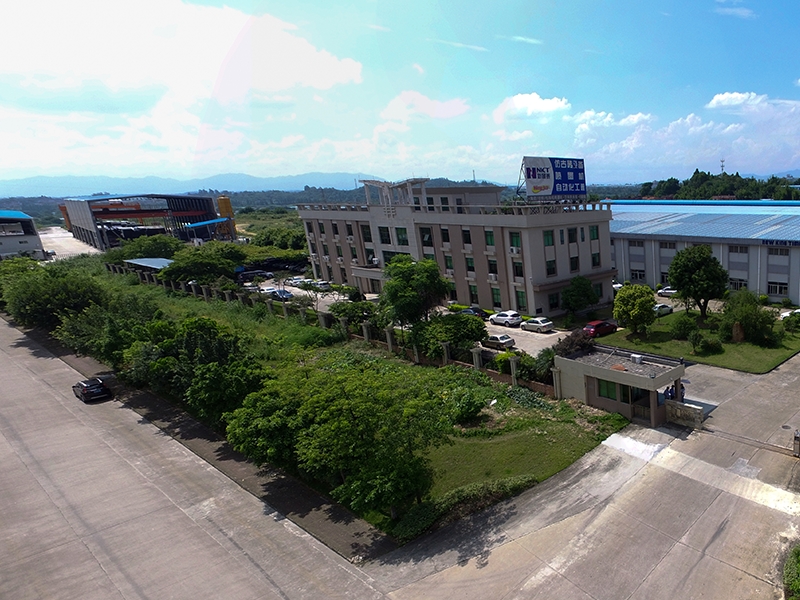
With a commitment to innovation and quality, Foshan Magly Printer Co., Ltd. integrates advanced inkjet technology with automated control systems to help customers improve production efficiency, reduce waste, and achieve flexible, customized designs. Its solutions are widely applied in building materials, interior decoration, and industrial manufacturing sectors.
Driven by continuous research and customer-oriented service, Magly is expanding its global presence, offering reliable, efficient, and future-ready surface decoration solutions to partners worldwide.
 Magly Printer