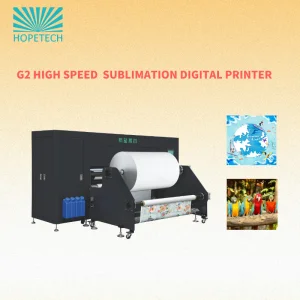
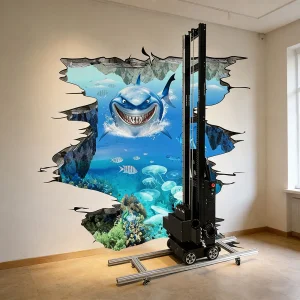
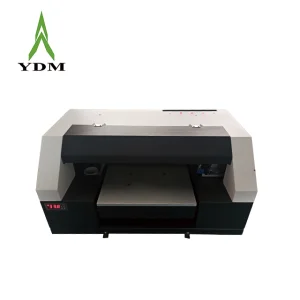
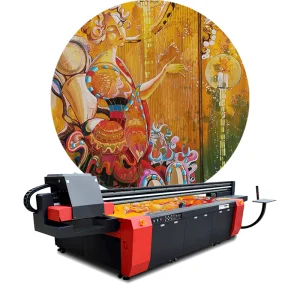
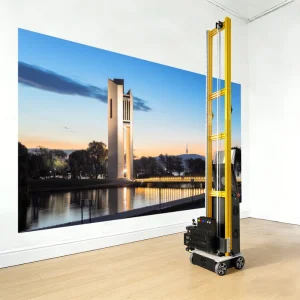
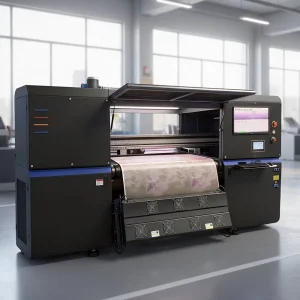
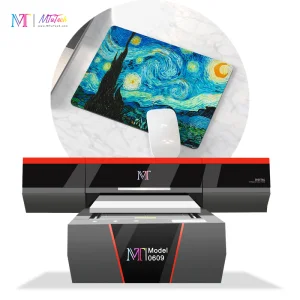
High-performance machinery designed for architectural glass, ceramics, wood, metals, and advanced textile dye processes.
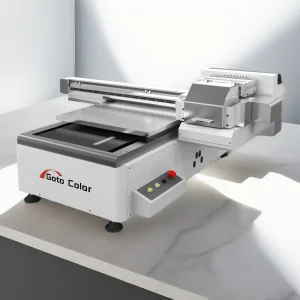
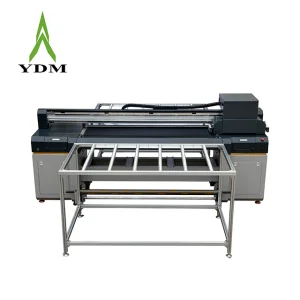
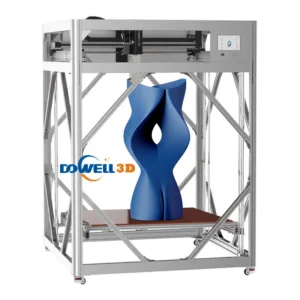
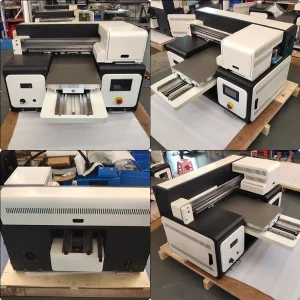
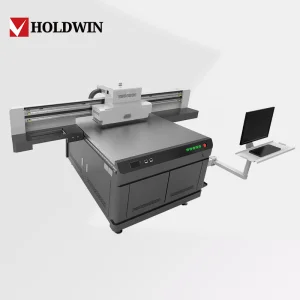
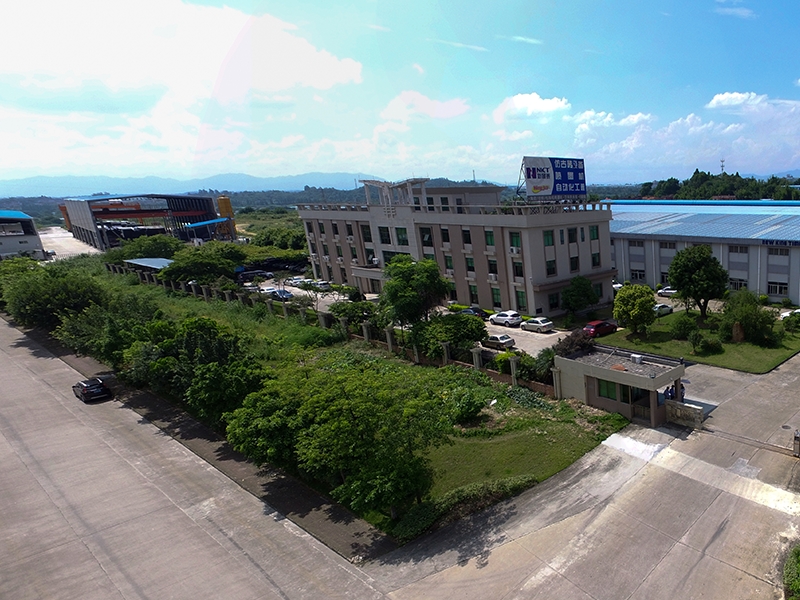
Foshan Magly Printer Co., Ltd. is a professional Industrial Digital Printing Machine Manufacturer dedicated to delivering advanced ceramic and glass inkjet printing solutions as well as integrated surface decoration systems for modern manufacturing industries. Based in Foshan, a key hub for ceramics and industrial equipment in China, the company benefits from a strong supply chain and extensive industry expertise.
"Integrating advanced drop-on-demand inkjet engineering with industrial automation to transform textiles, ceramics, glass, and composite substrates globally."
Magly operates a modern production facility covering over 7,000 square meters, supported by a skilled team of more than 100 employees, including experienced engineers, R&D specialists, and technical service professionals. The company focuses on developing high-precision digital printing machines that ensure excellent color performance, stable operation, and compatibility with a wide range of materials such as ceramic tiles, architectural glass, and decorative panels.
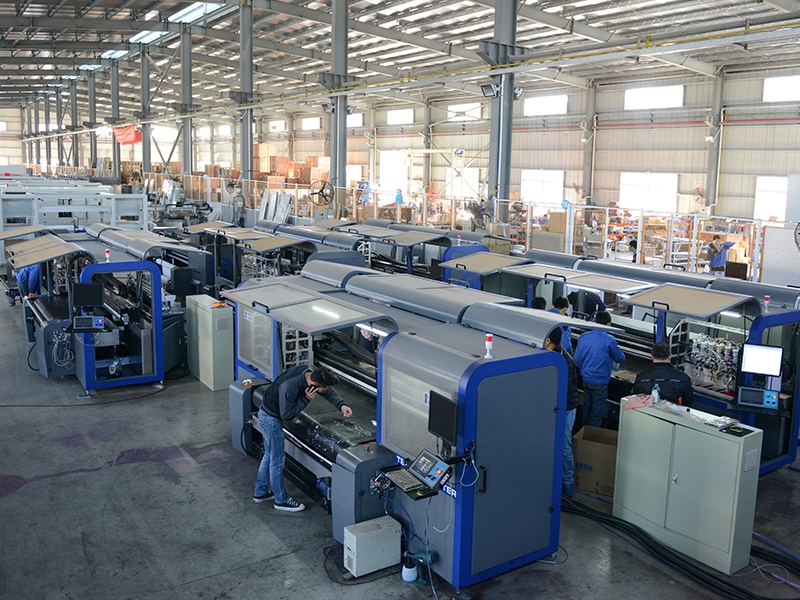
In the rapidly transforming global manufacturing space, digitalization is no longer an option—it is a competitive necessity. The convergence of Direct-to-Garment (DTG) technology and high-precision flatbed printing has created a new standard for customization. Today's global brands require rapid prototyping, minimal setup times, and eco-friendly pigment technologies that achieve both vibrant color saturation and excellent washing fastness.
By integrating advanced inkjet technology with automated control systems, Foshan Magly Printer Co., Ltd. helps customers improve production efficiency, reduce waste, and achieve flexible, customized designs. Its solutions are widely applied in building materials, interior decoration, and industrial manufacturing sectors. Driven by continuous research and customer-oriented service, Magly is expanding its global presence, offering reliable, efficient, and future-ready surface decoration solutions to partners worldwide.
Our machinery relies on specialized fluid dynamics to guarantee consistent drop placement. By pairing industrial-grade printheads, such as Epson i3200-A1 and specialized Ricoh or Seiko architectures, with customized ink delivery lines, we address the common pain points of printhead clogging, ink sedimentation, and drop deviation.
Whether processing natural fibers like cotton in DTG workflows or non-porous media like architectural safety glass, our printing units incorporate degassers and positive pressure ink recirculation systems. This ensures 24/7 reliability in demanding factory environments.
The structural design, software systems, and printhead configurations defining our 2025-2030 production vision.
Utilizing high-frequency piezo crystals to eject ink droplets ranging from 3.5 to 12 picoliters, enabling photorealistic detail, sharp typography, and smooth color transitions.
Integrated curing modules (both UV LED and thermal tunnels) allow seamless transition between reactive, dye-sublimation, textile pigment, and high-adhesion organic inks.
Embedded raster image processors (RIP) analyze color channels in real time to optimize ink consumption by up to 28% without compromising color gamut density.
Over the next five years, the industrial printing sector is shifting toward fully inline production. Historically, pre-treatment, printing, and fixing required separate machines. Our current R&D efforts focus on inline conditioning systems that prepare fabrics and rigid substrates within a single, continuous pass. For global buyers, this shift directly translates to lower operational labor costs and a significantly reduced factory footprint.
Furthermore, eco-management compliance (specifically ZDHC Level 3 and OEKO-TEX Eco Passport certification for textile pigments) has become standard in our ink formulating process. By maintaining these strict environmental standards, we safeguard our clients' supply chains from import restrictions in the European Union and North America.
Foshan’s industrial ecosystem provides a robust foundation for building high-durability machines. We construct our frames from heavy-gauge structural steel, which is stress-relieved through heat-treatment and CNC-milled in a single pass to prevent long-term chassis warping. This mechanical stability is critical: even a 0.05mm variance in the gantry rail over a 3-meter span can lead to visible banding in high-density print modes.
Every printer undergoes a standardized 72-hour continuous test cycle before shipping. Our testing includes:
To help clients scale successfully, we provide complete technical documentation, step-by-step installation guides, and pre-configured profiles for common design files. Our machines are designed with modular components, allowing onsite maintenance staff to quickly swap out filters, dampers, or printheads. This keeps downtime to an absolute minimum.
While Direct-to-Garment (DTG) dominates the fashion and custom apparel industries, modern industrial design demands versatility across multiple substrates. The technologies developed for garment printing—specifically ink formulation, precise droplet control, and media transport systems—are highly translatable to flatbed decoration on rigid architectural materials.
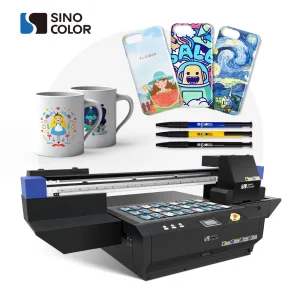
High-adhesion UV inks allow architectural glass, ceramic tiles, and interior decorative wall panels to be printed directly with custom patterns, textures, and wood grain finishes. The output resists weathering and retains color stability over long periods.
Using hybrid UV printers, companies can process soft films, backlit media, KT boards, and PVC panels in a single setup, achieving deep blacks and high-contrast color values for retail displays.
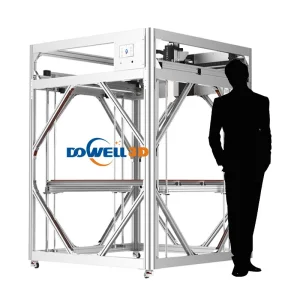
Pellet extrusion 3D printers and large-format additive manufacturing systems enable rapid prototyping for architectural components, tooling fixtures, and consumer product housings.
Insights from our engineering department on optimizing setup, maintaining quality, and maximizing ROI.
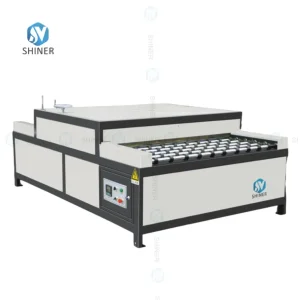
Explore our specialized hardware configurations for high-adhesion wall graphics, packaging substrates, and hollow glass manufacturing.
 Magly Printer