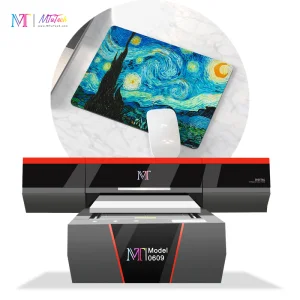
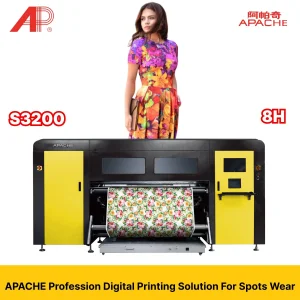
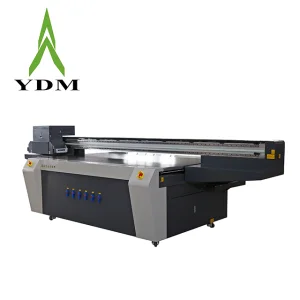
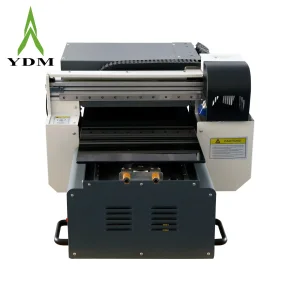
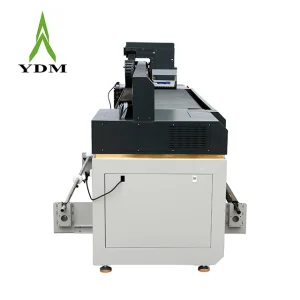
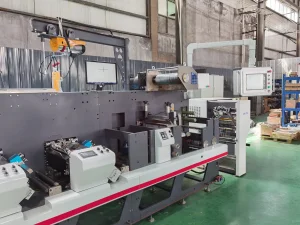
Explore our high-performance inkjet systems built for rigid substrates, flexible media, architectural glass, and industrial components.
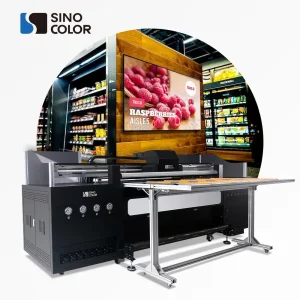
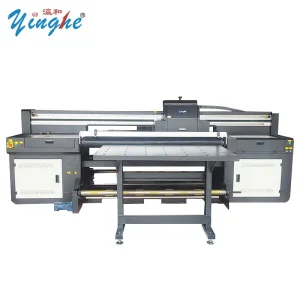
Pioneering the shift from analogue metallic replication to high-definition, micro-precise digital print engineering.
The global manufacturing ecosystem is undergoing an unprecedented transition. Across sectors like architecture, automotive engineering, consumer appliances, and luxury packaging, the demand for realistic, high-durability metallic finishes has escalated. Historically, achieving metallic effects required electroplating, hot-foil stamping, or physical vapor deposition (PVD)—processes that are energy-intensive, chemically volatile, and highly restricted by batch size limits. Today, custom industrial digital printing has evolved to provide sustainable, digital alternative pathways.
By coordinating advanced piezo-inkjet systems with specialized UV-curable metallic inks and high-build tactile gloss resins, manufacturers can now simulate complex metallic textures, reflective metals, gold leaf, and satin brushed metals directly onto raw materials. As a leading manufacturer and exporter in China, Foshan Magly Printer Co., Ltd. stands at the forefront of this industrial transition. We provide integrated machinery solutions that bypass old tooling bottlenecks, allowing factories to run short runs and customized designs on demanding substrates like ceramic, architectural glass, and structural wood panels with zero compromise on mechanical shear strength or exterior weatherability.
Our proprietary chemistry pretreatment and UV-LED formulation ensure that high-reflectivity layers bind permanently to glass, stone, and metals without peeling under shear forces.
Bypass days of screen setup. Our single-pass technology and continuous printhead configurations allow immediate execution of customized file arrays without stop time.
Precision droplet placement down to 3.5 picoliters eliminates chemical runoff, reducing ink waste by up to 65% compared to conventional screen printing.
Understanding supply dynamics, market expansion, and the demand for China-based high-precision manufacturing.
The market for metallic and tactile surface decoration is expanding globally. Real estate developments in the Middle East and APAC demand vast volumes of high-durability glazed ceramic cladding. Simultaneously, premium consumer electronics makers in North America and Western Europe require non-conductive metallized designs on glass shells to permit wireless charging signals. Traditional methods fail these parameters; digital print solutions resolve them.
China has solidified its role as a leading innovator in heavy-duty digital printing and machinery exports. By linking local manufacturing clusters in Foshan—globally renowned for ceramics, machinery, and glass supply chains—with advanced ink labs and printhead control engineers, Chinese manufacturers deliver industrial printing platforms that match or exceed European counterparts at an optimized total cost of ownership (TCO). This unique positioning enables companies globally to upgrade their production lines, reduce energy costs, and respond dynamically to rapid consumer design changes.
| Industry Segment | Conventional Processing Method | Modern Digital Inkjet Method | Primary Value Propositions Offered |
|---|---|---|---|
| Architectural Glass | Stained screen printing & ceramic frit firing | Continuous UV LED glass inkjet printing | Unlimited colors, zero plate cost, custom sizing, fast design changes. |
| Ceramic Cladding | Glaze screen-line or mechanical embossing | Single Pass / High-head piezoelectric drop | Precise relief mapping, realistic metallic sheen, scratch-proof. |
| Wood & Laminates | HPL laminating and paper decors | Hybrid UV direct-to-substrate printing | Direct texture matching, high-definition wood/metal hybrid looks. |
| Premium Packaging | Foil stamping or vacuum metallization | Spot varnish & digital metallic cold foil | Ultra-fine lines, variable data serialization, no tooling setup. |
A deep engineering look at printhead mechanics, curing variables, and surface pre-treatment sciences.
High-resolution industrial printing on non-porous materials relies on three key parameters: printhead drop dynamics, ink chemistry, and curing energy. When building metallic effects, the ink must carry specialized reflective micro-particles or be overlayed with a high-transparency varnish that redirects light. This requires printheads like the Ricoh Gen5/Gen6 or Epson i3200 to feature precise waveform controls, preventing nozzles from clogging while maintaining stable drop velocities across large operational windows.
Industrial digital printers rely on piezoelectric drop-on-demand technology. When a voltage is applied to the piezo-element, it deforms, forcing a droplet through the nozzle. For metallic inks or high-viscosity ceramic inks, this waveform must be tuned to prevent structural tailing, which leads to misting and degraded print crispness. Our machines feature integrated printhead temperature controllers that maintain ink viscosity at optimal values, protecting the nozzles and ensuring continuous output throughout 24/7 manufacturing shifts.
To print clear patterns without bleeding, droplets must be "pinned"—partially cured—immediately upon touching the substrate. This is done with targeted UV-LED lights positioned adjacent to the printhead carriage. The wavelength (commonly 395nm or 365nm) is tuned to the photo-initiators within the ink, initiating polymerization in fractions of a second. A secondary high-power UV source then completes the curing process, cross-linking the polymers to provide resistance to scratches, chemicals, and outdoor exposure.
Glass and polished ceramics have high surface energy, which can cause inks to bead up or peel. To address this, our systems utilize specialized inline primers containing silane coupling agents. These agents form covalent bonds with both the silica-based substrate and the organic monomers in the UV ink, ensuring superior adhesion. For long-term architectural durability, this system prevents water ingress and peeling even when subjected to freeze-thaw cycles and UV exposure.
How global companies use our digital printing technology to solve real-world production challenges.
An architectural glass manufacturer in Italy replaced screen lines with our automatic glass screen printing and digital hybrid systems. This enabled them to produce custom metallic-patterned glass panels for exterior facades, reducing setup times and allowing them to take on customized architectural projects.
A consumer electronics brand in Japan integrated our high-resolution flatbed printers to apply decorative, metallic-sheen patterns to ceramic and heat-resistant glass cooktops. The cured prints withstand high temperatures and daily cleaning, maintaining their appearance over years of use.
A large packaging manufacturer in Germany used our digital hybrid inkjet printer for packaging decoration. Moving away from hot foil stamping allowed them to offer variable data printing for limited edition runs and cut waste by 40%, meeting local environmental regulations.
A trusted name in advanced digital surface decoration and industrial inkjet engineering.
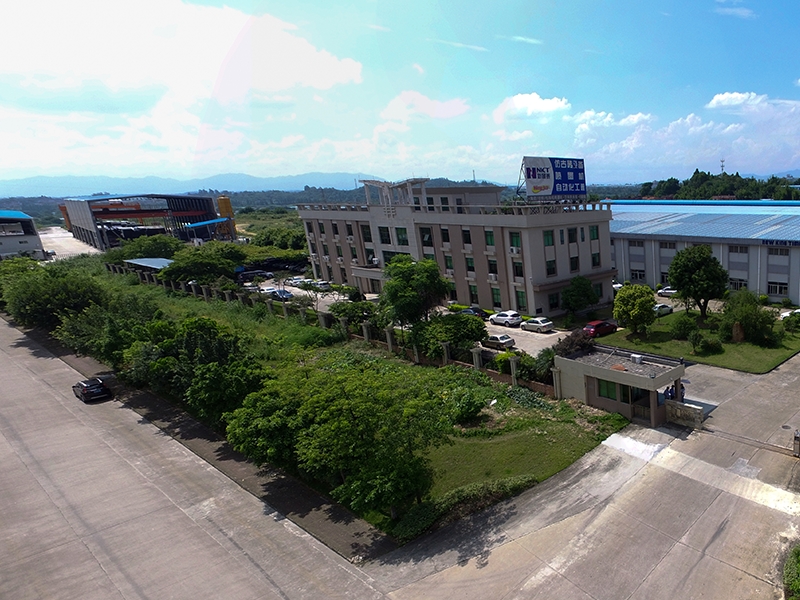
Foshan Magly Printer Co., Ltd. is a professional Industrial Digital Printing Machine Manufacturer dedicated to delivering advanced ceramic and glass inkjet printing solutions as well as integrated surface decoration systems for modern manufacturing industries. Based in Foshan, a key hub for ceramics and industrial equipment in China, the company benefits from a strong supply chain and extensive industry expertise.
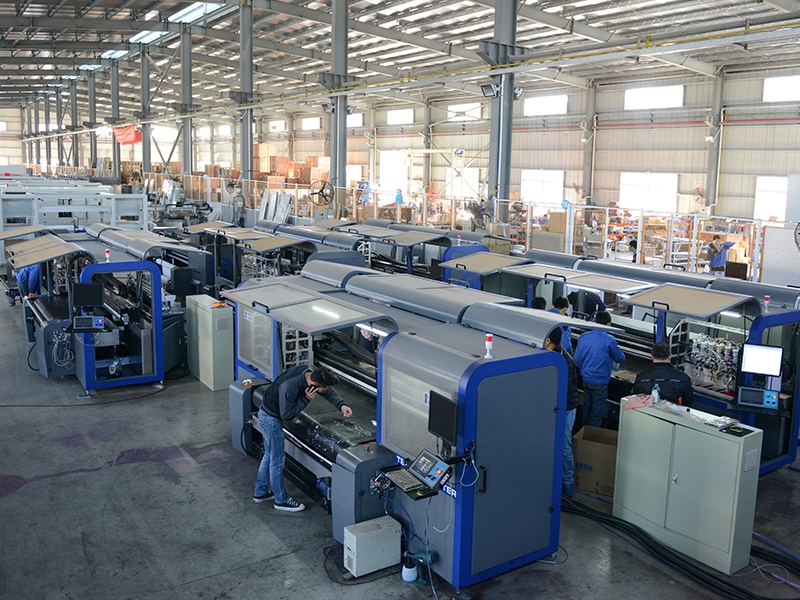
Magly operates a modern production facility covering over 7,000 square meters, supported by a skilled team of more than 100 employees, including experienced engineers, R&D specialists, and technical service professionals. The company focuses on developing high-precision digital printing machines that ensure excellent color performance, stable operation, and compatibility with a wide range of materials such as ceramic tiles, architectural glass, and decorative panels.
With a commitment to innovation and quality, Foshan Magly Printer Co., Ltd. integrates advanced inkjet technology with automated control systems to help customers improve production efficiency, reduce waste, and achieve flexible, customized designs. Its solutions are widely applied in building materials, interior decoration, and industrial manufacturing sectors.
Driven by continuous research and customer-oriented service, Magly is expanding its global presence, offering reliable, efficient, and future-ready surface decoration solutions to partners worldwide.
Ensuring compliance with international standards and providing global engineering support.
For industrial printers to operate reliably on international production floors, compliance with safety and environmental regulations is essential. All machinery exported by Foshan Magly Printer Co., Ltd. is engineered to meet CE, RoHS, and FCC standards. Additionally, we assist customers in matching their ink configurations to local environmental rules, such as Europe's REACH regulations and VOC emission limits, helping them maintain a compliant and safe workspace.
Our commitment extends beyond equipment delivery. We maintain a global technical support system to keep your production lines running:
Using secure cloud connections, our engineers can analyze printer performance, adjust printhead waveforms, and troubleshoot system anomalies remotely in real-time.
We partner with local distributors and service centers across North America, Europe, and Southeast Asia to provide on-site installation, training, and maintenance.
Our global parts hubs stock replacement printheads, UV lamps, filters, and ink formulations, ensuring fast shipping to minimize production downtime.
How AI-driven optimization, biodegradable inks, and additive hybrid steps shape the future of printing.
The digital printing sector is evolving toward higher speeds, automation, and environmental sustainability. At Magly, our research focuses on three major areas to meet the changing demands of industrial manufacturing:
Modern print systems can generate massive amounts of sensor data. We are developing closed-loop AI systems that monitor print quality in real-time. If a camera detects a misaligned nozzle or color shift, the software automatically adjusts the printhead waveform to compensate on the fly. This reduces paper and substrate waste while ensuring consistent output across long production runs.
As packaging regulations tighten globally, the demand for eco-friendly consumables is growing. Our ink labs are working on bio-derived UV resins and water-dispersible pigments that reduce reliance on petroleum derivatives. These new inks aim to maintain high adhesion and scratch resistance on rigid substrates while being easier to recycle.
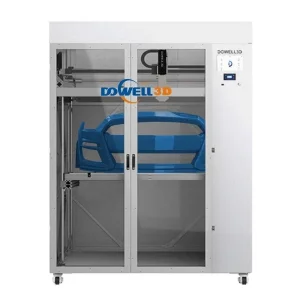
In addition to 2D decoration, we are exploring hybrid printers that combine 3D pellet extrusion with high-resolution digital ink decoration. This allows manufacturers to print structural molds or decorative panels and apply realistic wood, stone, or metallic textures in a single, unified process, simplifying production workflows.
Technical details, operational tips, and maintenance advice for industrial digital printing platforms.
Explore more specialized printing machinery, hybrid systems, and component solutions for your factory floors.
 Magly Printer