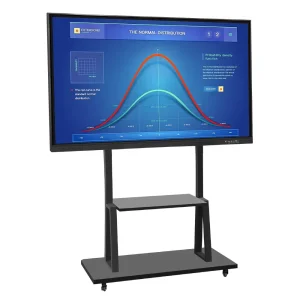
Pioneering precision hardware designed to meet Canberra's rigorous energy efficiency and modern architectural requirements.
An authoritative analysis of industrial glass-jet printing technology, custom design integration, and local commercial demand dynamics.
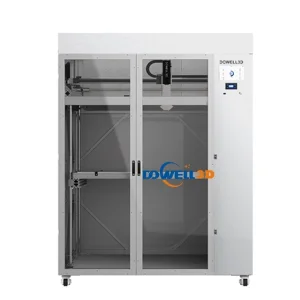
In the heart of Australia's Capital Territory, Canberra's modern architectural landscape is shifting rapidly toward energy-efficient, visually distinct, and structurally sound facade envelopes. The adoption of Tempered Glass Digital Printing Systems represents a quantum leap from traditional screen printing methods. Instead of using mechanical screens that require complex setup and limit color variations, digital inkjet systems utilize advanced ceramic frit inks cured directly onto glass surfaces during the tempering cycle.
This technology plays a crucial role in building sustainability. The Australian Capital Territory (ACT) government maintains strict mandates on environmental performance, pushing architects to optimize solar heat gain coefficients (SHGC). Digital printing allows manufacturers to deposit micro-patterns (fritting) on double or triple-glazed units. By adjusting the density of printed patterns dynamically across a glass panel, building engineers can achieve optimal daylight transmission while minimizing glare and solar thermal loading. This localized application is highly visible in Canberra’s civic complexes, tertiary education campuses, and new multi-residential projects.
Ceramic inks melt with the glass matrix during tempering at temperatures exceeding 650°C, rendering the print permanent, scratch-proof, and acid-resistant.
Multi-channel digital engines allow photographic reproduction, gradient fades, and multi-layered prints (double-vision facades) with high opacity.
Our printed tempered glass meets the safety glazing guidelines mandated by Standards Australia, ensuring structurally certified building envelopes.
Why architectural applications demand inorganic chemistry for longevity, and where UV inks fit in indoor displays.
Canberra’s climate is characterized by significant temperature fluctuations, hot summers with high UV exposure, and cold winters. Traditional organic UV-cured inks, while excellent for indoor displays, signage, and light-duty electronic interfaces, will inevitably degrade under the harsh Australian sun. Over time, UV radiation breaks the carbon bonds in organic polymer chains, leading to fading, cracking, and eventual peeling of the printed design.
For architectural building envelopes, heavy-duty interior cladding, and transit infrastructure, ceramic digital printing is the industry standard. Ceramic inks contain inorganic pigments and microscopic glass particles (frit). When the glass is heated to tempering temperatures (~650°C to 700°C), the frit softens, melting directly into the glass pane. The resulting print is as durable as the glass itself, unaffected by UV radiation, moisture, acid rain, or structural cleaning agents.
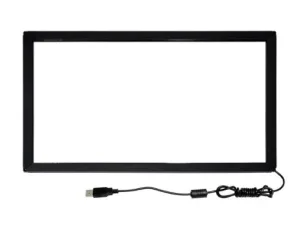
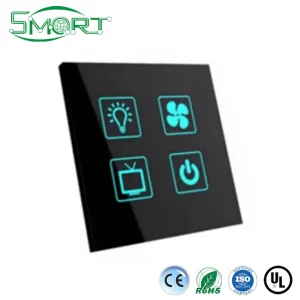
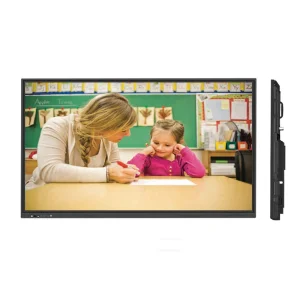
Conversely, for smart devices, high-end electronics, and capacitive control panel applications (such as our Smart Electronic Touch Panels), advanced UV and precision organic silk screen prints are highly suitable. They offer unparalleled graphic density, extreme resolution (up to 1200 dpi), and cost efficiency for non-tempered or post-tempered plastic, acrylic, and thin-film glass laminations.
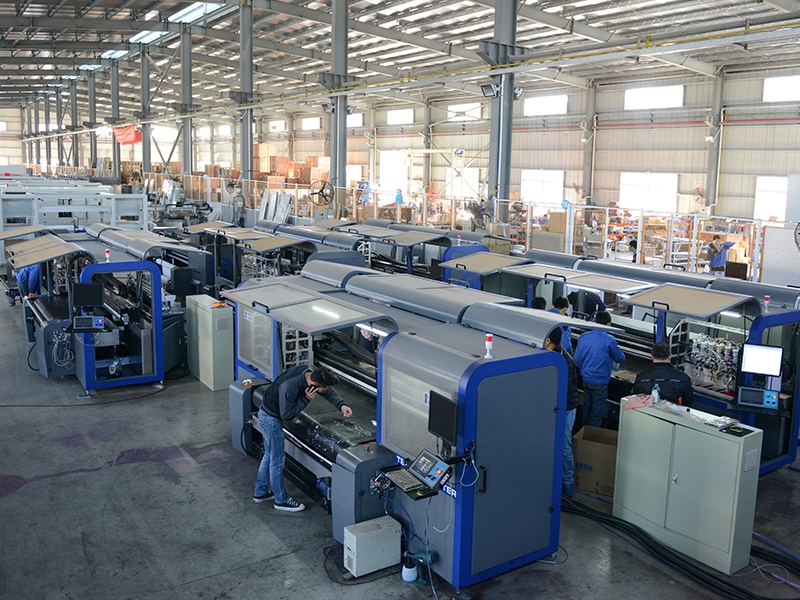
Foshan Magly's 7,000 sqm production facility equipped with high-precision manufacturing systems.
How Foshan Magly Printer Co., Ltd. bridges high-capacity engineering with local Australian projects.
Foshan Magly Printer Co., Ltd. is a professional Industrial Digital Printing Machine Manufacturer dedicated to delivering advanced ceramic and glass inkjet printing solutions as well as integrated surface decoration systems for modern manufacturing industries. Based in Foshan, a key hub for ceramics and industrial equipment in China, the company benefits from a strong supply chain and extensive industry expertise.
Magly operates a modern production facility covering over 7,000 square meters, supported by a skilled team of more than 100 employees, including experienced engineers, R&D specialists, and technical service professionals. The company focuses on developing high-precision digital printing machines that ensure excellent color performance, stable operation, and compatibility with a wide range of materials such as ceramic tiles, architectural glass, and decorative panels.
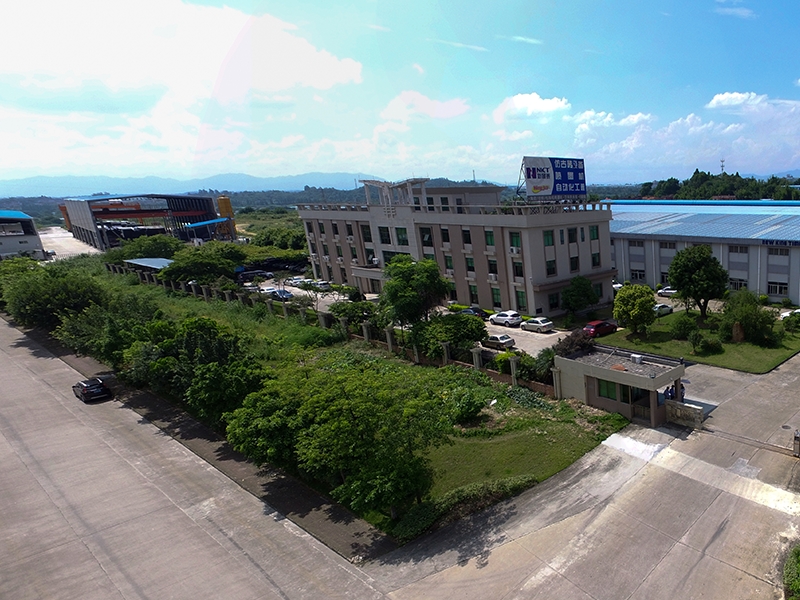
Advanced testing & quality control department ensuring precise micrometer drop placement.
With a commitment to innovation and quality, Foshan Magly Printer Co., Ltd. integrates advanced inkjet technology with automated control systems to help customers improve production efficiency, reduce waste, and achieve flexible, customized designs. Its solutions are widely applied in building materials, interior decoration, and industrial manufacturing sectors.
To ensure reliable operations in the Australian Capital Territory (ACT), we partner with localized technical service engineers in Sydney and Melbourne, enabling rapid site visits, machinery commissioning, and physical support. Our machines come equipped with remote diagnostic modules, allowing our Foshan-based software engineers to troubleshoot firmware issues, update printhead alignment arrays, and fine-tune color profiling algorithms in real-time, bridging geographical distances effortlessly.
From smart glass integrations to AI-driven print defect detection algorithms.
As the digital printing market evolves, several technological trends are shaping the future of tempered glass fabrication. Foshan Magly remains at the forefront of these innovations, continually investing R&D capital to refine the efficiency, speed, and versatility of our machinery.
Older inkjet systems suffered from minor banding issues caused by printhead nozzle clogging. Modern Magly systems utilize high-speed industrial vision cameras and AI compensation algorithms. If a nozzle experiences a temporary clog during operation, adjacent nozzles dynamically adjust their firing frequencies and drop volumes to compensate, eliminating visible banding on expensive large-format architectural panes before they head to the tempering furnace.
With the global shift towards green buildings, Canberra developers are increasingly focusing on integrated photovoltaics (BIPV) and smart electrochromic (dimmable) glass. Digital printing systems are now being adapted to print conductive busbars, dielectric layers, and functional patterns onto glass surfaces, integrating solar collection directly into building facades.
Under Australian environmental protection policies, industrial sites must minimize chemical waste runoff. Our latest machinery utilizes a closed-loop system for purging and cleaning, recycling flushing agents, and containing waste ink solids. This drastically lowers VOC output and helps local Canberra fabricators maintain ISO 14001 certification.
Navigating National Construction Code (NCC) requirements and glazing benchmarks.
Integrating printed tempered glass into Australian buildings requires strict adherence to the National Construction Code (NCC). Glass facades in Canberra must meet AS 1288 (Glass in Buildings - Selection and Installation) and AS/NZS 2208 (Safety Glazing Materials in Buildings). Tempered glass produced using our digital inkjet systems undergoes rigorous testing:
By offering complete transparency on material safety data sheets (MSDS) and machinery design standards, we empower local Canberra specifiers, contractors, and project managers to proceed with confidence.
Clear, expert answers addressing purchasing, logistics, technical parameters, and after-sales support.
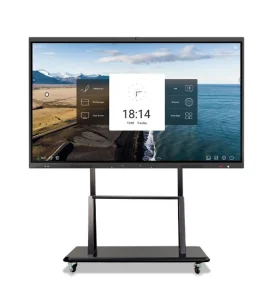
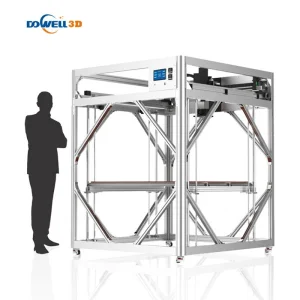
A comprehensive selection of industrial machinery, smart interfaces, and interactive displays for localized deployment.
 Magly Printer