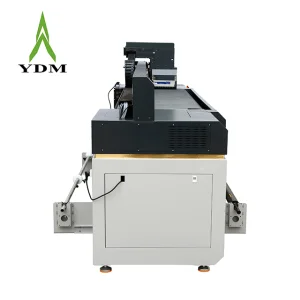
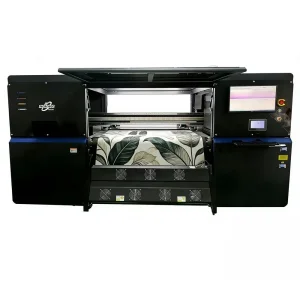
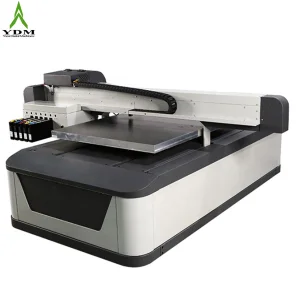
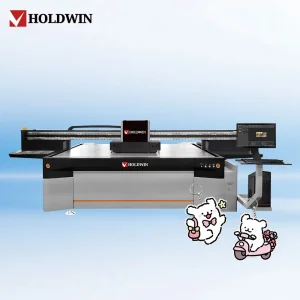
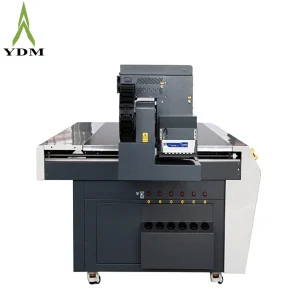
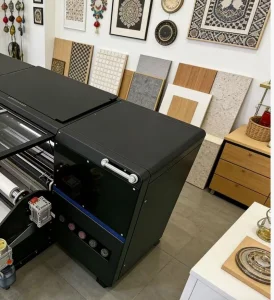
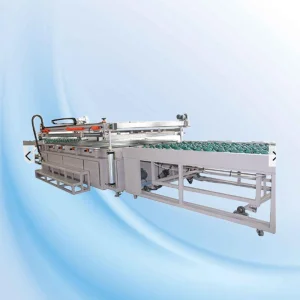
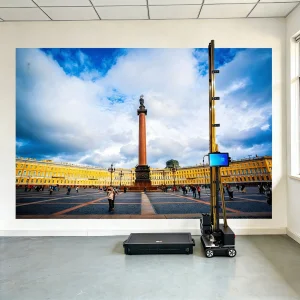
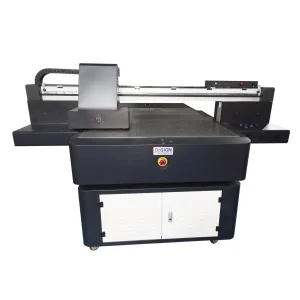
Explore our top-tier precision digital inkjet machinery configured for diverse substrates, optimized for high throughput and industrial durability.


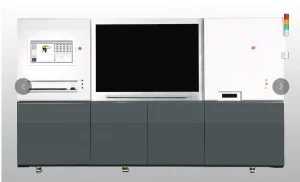
The global landscape of industrial manufacturing and spatial decoration is undergoing an unprecedented paradigm shift. Historically, surface customization of materials—such as building ceramics, structural glazing, architectural panels, and technical wood veneers—relied heavily on analog technologies like traditional gravure rotogravure and screen printing. While these methods excelled in high-volume production runs, their inherent limitations in design flexibility, setup speed, color precision, and environmental footprints created bottlenecks for modern, agile industries.
In this era of mass customization, digital inkjet printing technology has emerged as the definitive standard for industrial surface decoration. Modern architectures, retail environments, automotive cabins, and premium home designs demand tailor-made visual and tactile experiences. Leveraging UV-LED curing systems and high-precision piezoelectric printheads, industrial operators can print directly on virtually any substrate, transforming rigid materials like tempered glass, heavy ceramic tiles, resin formulations, metals, and flexible papers into works of art.
DTS technology eliminates the need for intermediate transfer layers, resulting in higher color fidelity, outstanding scratch resistance, and immediate curing. For print operators globally, this translates into zero screens to clean, immediate job switchovers, significantly reduced VOC emissions, and an expanded color gamut capable of replicating intricate natural elements (such as rare wood grains and natural marble veins) with photorealistic resolution up to 2880 DPI.
The adaptability of modern printable materials and industrial digital printing machines enables optimization across diverse local industries. Here is how specialized printing technologies are being localized globally:
Applied to exterior curtain walls and structural glass panels. Digital printing with specialized inorganic ceramic inks allows facade designers to integrate solar control patterns directly onto glass panels, decreasing solar heat gain while maintaining strict visual transparency criteria.
Enables rapid prototyping and full-scale decoration of peptide-based white paper and engineered wood-grain films. Furniture factories can instantly replicate high-value timber species (e.g., walnut, teak) directly onto low-cost medium-density fiberboards (MDF), ensuring visual uniformity and structural longevity.
Enables high-definition 3D textured reliefs on kitchen backsplashes, ceramic tiles, and bathroom walls. High-build glaze ink printing delivers tactile, raised textures, mimicking natural stone patterns, slate surfaces, and bespoke artistic low-relief carvings.
Optimized for printing on resin, metals, acrylic panels, and electronic instrument enclosures. Ideal for local manufacturing lines requiring high-precision serialization, durable warning labels, complex multi-color control interfaces, and direct-to-case branding.
Enables boutique hotel and commercial workspace interior personalization. Uses eco-friendly UV inks on textured wall coverings, ensuring zero outgassing, high flame retardancy (Class A ratings), and robust resistance to fading under intense interior lighting.
Foshan Magly Printer Co., Ltd. is a globally distinguished Industrial Digital Printing Machine Manufacturer dedicated to engineering advanced ceramic and glass inkjet printing systems, alongside integrated surface decoration solutions for contemporary industrial workflows.
Situated within Foshan—a world-renowned cluster for industrial ceramic production and heavy machinery in Guangdong province—Magly leverages a uniquely robust regional supply chain, deep engineering talent pools, and extensive technical expertise in surface materials and color management science.
Guided by persistent innovation and rigorous quality assurance, Foshan Magly integrates advanced piezoelectric inkjet configurations with state-of-the-art automatic control systems to assist global industrial customers in optimizing yield efficiency, minimizing material waste, and deploying highly profitable customized design schemes.
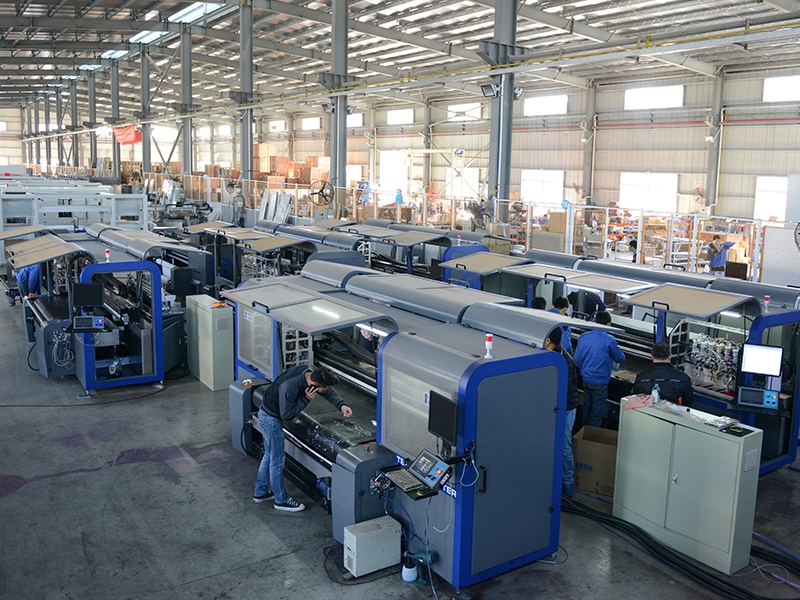
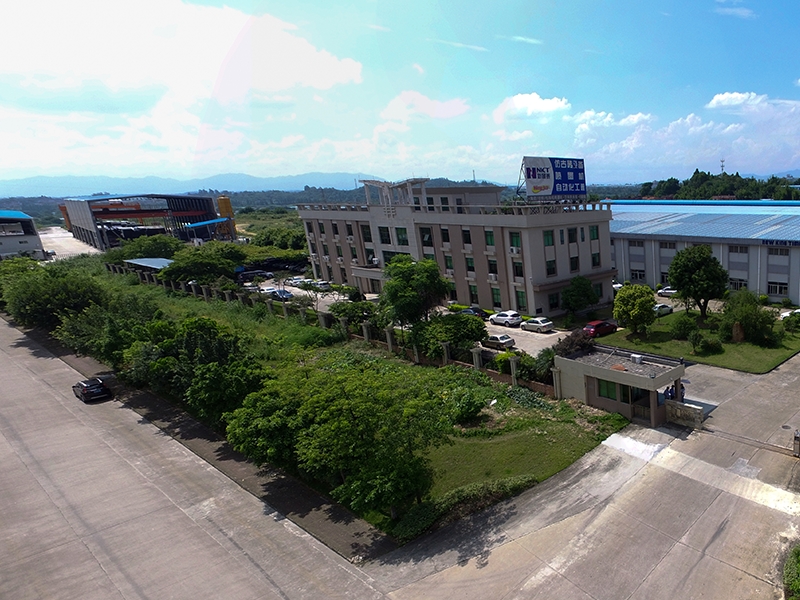
Foshan Magly's operations are housed within a modern manufacturing plant covering over 7,000 square meters, supported by a highly specialized team of over 100 employees, including experienced mechanics, fluid engineers, chemical R&D scientists, and technical service professionals.
The factory is strictly optimized for building, testing, and calibrating high-precision flatbed, hybrid, and roll-to-roll printers. This structured environment ensures excellent color registration, mechanical stability under continuous operational stresses, and reliable chemical compatibility across varying substrates like ceramic tiles, heavy structural glass panels, wood grain papers, and composite materials.
When global companies source printable materials and industrial digital printing equipment from China, they tap into an unparalleled, highly integrated manufacturing ecosystem. The concentration of component manufacturers, chemical formulation facilities, precision mechanical engineers, and logistics networks creates a highly resilient supply chain that guarantees consistent performance and economic viability.
The Foshan regional cluster allows for immediate access to high-grade raw components, from high-tensile steel frames to precision LED-UV lamps and advanced control boards. This localized ecosystem significantly reduces manufacturing times and overheads, enabling rapid iterations in engineering.
Every machine undergoes rigorous vibration testing, continuous multi-hour test prints, and thermal stability checks. This rigorous approach minimizes downtime for international buyers, assuring that every shipment meets industrial-grade performance benchmarks.
Optimized production processes, direct component sourcing, and economies of scale allow Foshan Magly to deliver premium-grade machinery at a highly competitive total cost of ownership (TCO) compared to traditional European or American manufacturers.
As the digital printing industry advances, Foshan Magly is continuously investing in key areas to shape the future of surface decoration. Our technical roadmap focuses on the following pillars:
Integrating machine vision algorithms into the printhead assembly. This allows real-time monitoring of drop placement on variable textures, adjusting firing frequencies dynamically to prevent banding and enhance image sharpness on non-uniform substrates.
Developing eco-friendly water-based and soy-derived UV curable inks. These formulations significantly reduce chemical waste and harmful emissions during production, aligning with strict environmental mandates worldwide without compromising adhesion or color vibrancy.
Enhancing multi-layer high-build print workflows to generate complex 3D tactile patterns. This allows manufacturers to replicate leather textures, coarse slate finishes, and artistic relief carvings with exact precision.
Integrating intelligent diagnostic modules to track machine parameters (temperature, head pressure, ink levels). This data helps predict maintenance schedules, reducing downtime and streamlining customer support operations.
Developing high-speed print carriages for multi-shift production environments. These configurations will allow plants to process more area per hour while ensuring excellent registration.
Foshan Magly is committed to delivering reliable machinery that conforms to global standards. Our equipment features certifications like CE and RoHS, helping customers meet local regulatory requirements for electrical safety and chemical output.
To support our global customers, we maintain a dedicated technical support network. Through remote desktop troubleshooting, physical service center partnerships, and extensive parts distribution, we help ensure minimal operational disruption.
Get expert answers regarding printer integration, substrate suitability, curing physics, and general maintenance.
Discover additional specialized industrial printing systems engineered for heavy structural applications, packaging, and custom decoration.
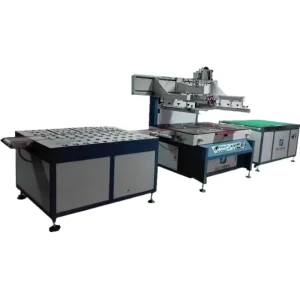


 Magly Printer