Explore the initial collection of industrial machinery designed for flat glass processing, direct-to-substrate digital decoration, and high-efficiency VOC emission control in industrial facilities.
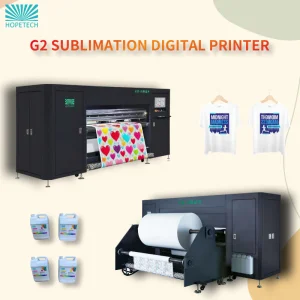
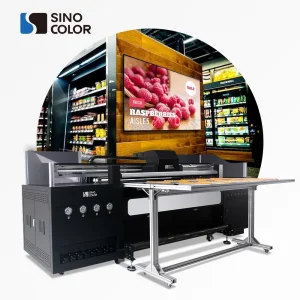
In the contemporary manufacturing sector, surface decoration has progressed from a simple aesthetic finishing stage to a highly integrated, functional layer of production. Traditionally, industrial screen printing has stood as the gold standard for high-volume, high-opacity applications on materials like glass, ceramic tiles, and metal sheet components. The technology utilizes a woven mesh to support an ink-blocking stencil, allowing paste-like inks to penetrate open areas under the force of a squeegee blade. However, the rise of custom demand, short-run production models, and rapid architectural prototyping has catalyzed the integration of **digital UV flatbed technologies** alongside conventional screen setups.
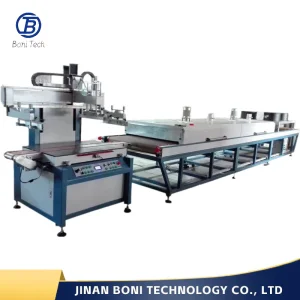
Utilizes precise mesh screens to deposit heavy ink volumes, ideal for protective back-coatings, conductive silver tracks, and vibrant base whites on large architectural components.
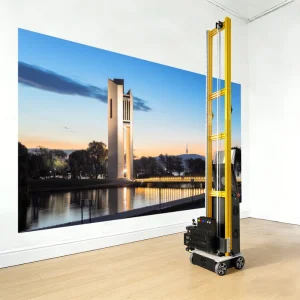
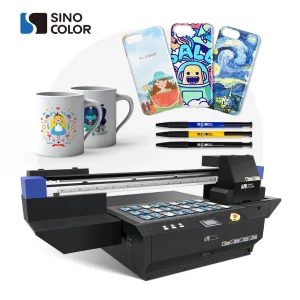
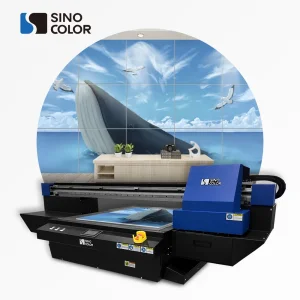
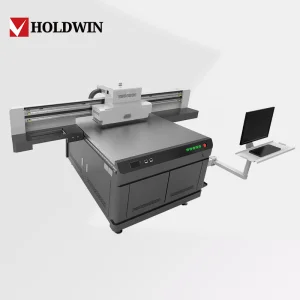
Eliminates setup costs and plate making, enabling variable data output, photorealistic CMYK + White + Varnish processing, and immediate design adjustments without production downtime.
Combines the material efficiency and speed of screen printing for primers or structural glues with the customization capability of high-precision digital jetting heads.
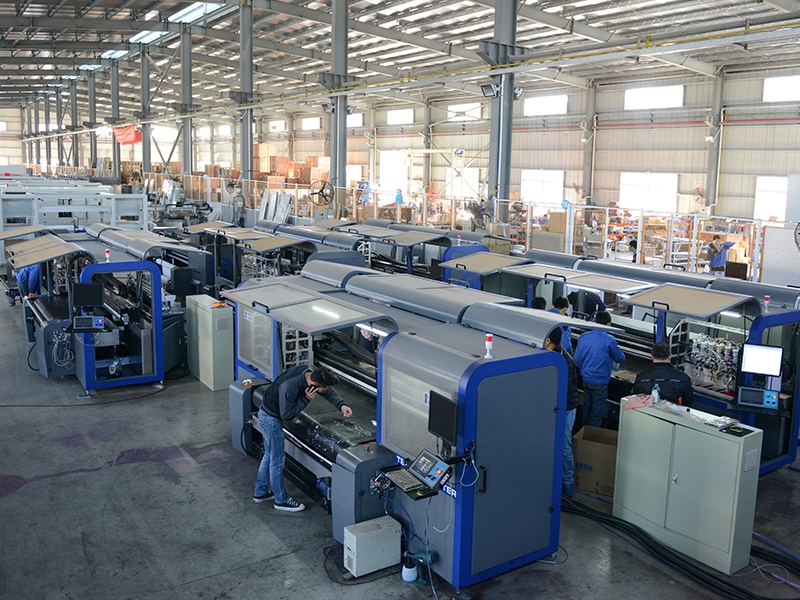
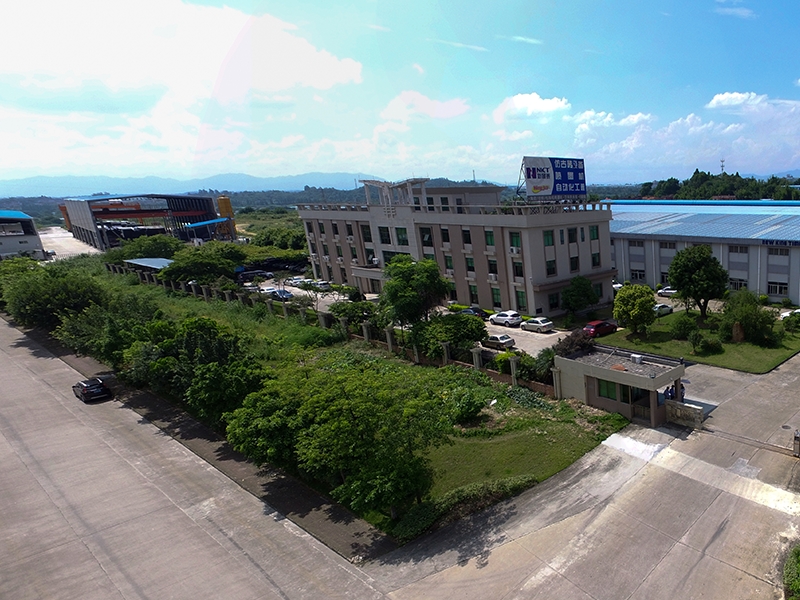
Foshan Magly Printer Co., Ltd. is a professional Industrial Digital Printing Machine Manufacturer dedicated to delivering advanced ceramic and glass inkjet printing solutions as well as integrated surface decoration systems for modern manufacturing industries. Based in Foshan, a key hub for ceramics and industrial equipment in China, the company benefits from a strong supply chain and extensive industry expertise.
Magly operates a modern production facility covering over 7,000 square meters, supported by a skilled team of more than 100 employees, including experienced engineers, R&D specialists, and technical service professionals. The company focuses on developing high-precision digital printing machines that ensure excellent color performance, stable operation, and compatibility with a wide range of materials such as ceramic tiles, architectural glass, and decorative panels.
With a commitment to innovation and quality, Foshan Magly Printer Co., Ltd. integrates advanced inkjet technology with automated control systems to help customers improve production efficiency, reduce waste, and achieve flexible, customized designs. Its solutions are widely applied in building materials, interior decoration, and industrial manufacturing sectors. Driven by continuous research and customer-oriented service, Magly is expanding its global presence, offering reliable, efficient, and future-ready surface decoration solutions to partners worldwide.
The industrial surface decoration market has undergone substantial restructuring. Commercial demand in the European Union and North America focuses heavily on reduction of environmental footprint, leading to strict regulations regarding volatile organic compound (VOC) emissions. At the same time, the Asia-Pacific region has consolidated its position as the largest manufacturing engine for flatbed glass printing, electronic display housings, and ceramic tile production.
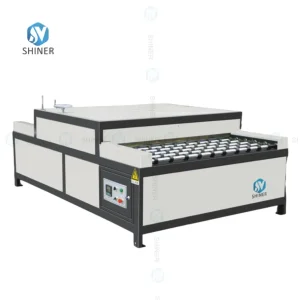
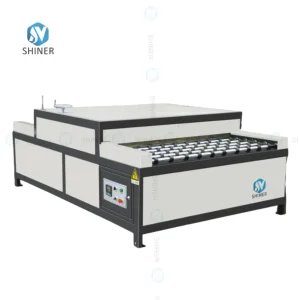
In this context, the role of reliable machinery suppliers is crucial. Modern production lines require seamless coordination between substrate preparation, print execution, and post-treatments such as thermal heating, high-efficiency hot pressing, and VOC purification. Integrated lines—such as double-glazing production lines that couple digital ceramic ink printheads with horizontal hot roller presses (e.g., the Nisen BRY series)—enable architectural glass fabricators to produce high-performance, insulated, custom-decorated glass facades at high throughput rates.
Different industrial materials possess unique surface energies and thermal expansion rates. Applying functional or decorative coatings to these materials requires precision in ink chemistry, droplet dynamics, and curing mechanics.
Inorganic glass and glazed tiles present non-porous, low-surface-energy structures. Standard UV inks may experience adhesion failure or poor moisture resistance. Industrial setups resolve this using ceramic frit inks that undergo high-temperature tempering (above 600°C) to fuse directly with the glass matrix, or specialized primers combined with UV-LED pinning.
Metals (such as anodized aluminum or stainless steel) and synthetic resins (such as polyurethane or polycarbonate sheets) require inks with elastic binders. This prevent micro-cracking and delamination during subsequent processing, such as bending, sheet cutting, or deep-drawing.
Porous wood surfaces and heat-sensitive acrylic panels require precise UV exposure control to avoid substrate warping. By utilizing multi-wavelength UV-LED lamp setups, printers can execute instant polymer cross-linking while preserving the structural integrity of the base material.
Operating large-scale industrial printing and thermal processing systems on a global scale demands strict alignment with local health, safety, and environmental protection agencies. Equipment exported to North America or Europe must hold corresponding certifications like CE, ISO 9001, and UL listings.
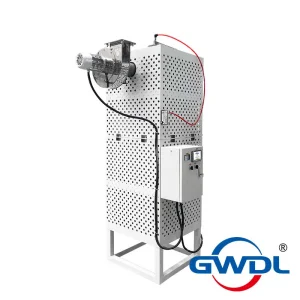
One critical focus of modern plant integration is the management of exhaust fumes and organic vapors emitted during high-speed thermal drying or UV curing cycles. Equipment like the High-Efficiency VOC Purification Furnace handles this by using thermal or catalytic oxidization technologies. These systems destroy volatile compounds prior to atmospheric release, allowing manufacturers to meet regional environmental regulations and lower operational compliance risks.
The industrial printing landscape is moving toward higher integration and automation. Key trends shaping the future of this segment include:
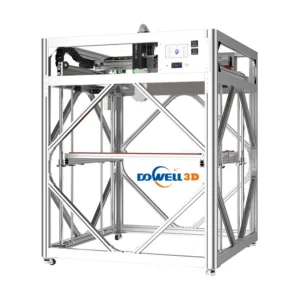
Combining large-format pellet 3D printing (using FGF, or Fused Granular Fabrication) with surface-finishing technologies allows manufacturers to produce pre-textured architectural parts, wall cladding panels, and structural elements in a continuous, automated process.
Utilizing high-speed visual sensors and AI feedback loops enables real-time color correction and ink deposition tuning. This minimizes substrate waste and ensures batch-to-batch consistency on large-scale projects.
Development of water-based UV-curing inks and bio-sourced resins designed to reduce VOC emissions without sacrificing adhesion or weathering resistance on exposed architectural glass and outdoor cladding.
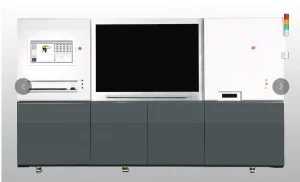
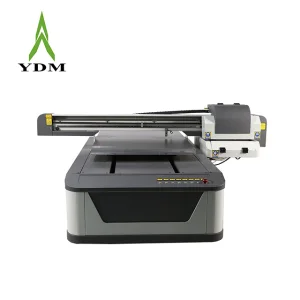
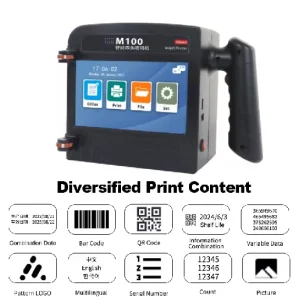
Browse our second selection of machinery, including specialized multi-head UV flatbeds, large-format production printers, intelligent human-machine interface displays, and compact handheld coding systems.
 Magly Printer