
The global industrial printing sector is undergoing a monumental paradigm shift. Traditionally dominated by mechanical rotary screen methodologies, modern production lines are rapidly standardizing on digital piezoelectric inkjet, UV-LED, and single-pass technologies. According to global industrial market analyses, the textile and industrial surface decoration technology sector is projected to expand at a compound annual growth rate (CAGR) of over 12.4% from 2024 to 2030, driven by demands for hyper-customization, accelerated product lifecycles, and stringent environmental mandates.
In this rapidly transforming landscape, the line between textile and rigid industrial substrates has blurred. Modern production floors demand printers capable of handling hybrid material portfolios—ranging from natural and synthetic textiles to structural ceramics, architectural glass, metals, and composite woods. Key global manufacturers are shifting focus towards high-precision mechanical frameworks, optimized printhead assemblies (such as the Epson i3200, XP600, Ricoh Gen6, and Kyocera industrial printheads), and tailored chemical curing configurations. This integration ensures not only high color accuracy but also durable bonding properties required in architectural and automotive applications.
As a leading player in this revolution, Foshan Magly Printer Co., Ltd. is a professional Industrial Digital Printing Machine Manufacturer dedicated to delivering advanced ceramic and glass inkjet printing solutions as well as integrated surface decoration systems for modern manufacturing industries. Based in Foshan, a key hub for ceramics and industrial equipment in China, the company benefits from a strong supply chain and extensive industry expertise.
Magly operates a modern production facility covering over 7,000 square meters, supported by a skilled team of more than 100 employees, including experienced engineers, R&D specialists, and technical service professionals. The company focuses on developing high-precision digital printing machines that ensure excellent color performance, stable operation, and compatibility with a wide range of materials such as ceramic tiles, architectural glass, and decorative panels.
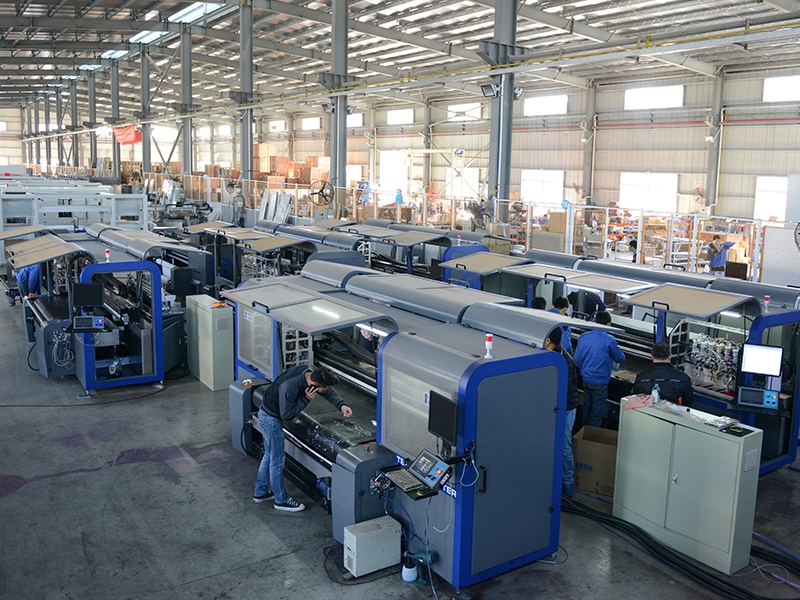
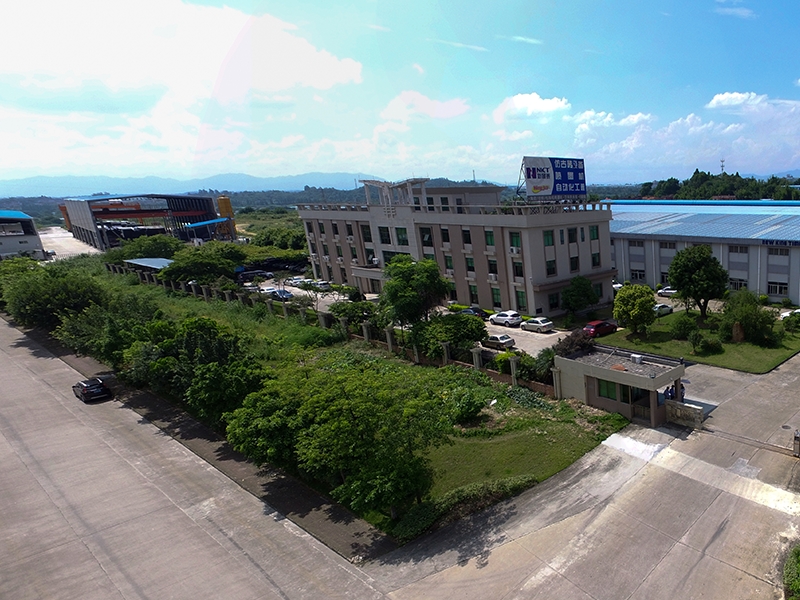
With a commitment to innovation and quality, Foshan Magly Printer Co., Ltd. integrates advanced inkjet technology with automated control systems to help customers improve production efficiency, reduce waste, and achieve flexible, customized designs. Its solutions are widely applied in building materials, interior decoration, and industrial manufacturing sectors.
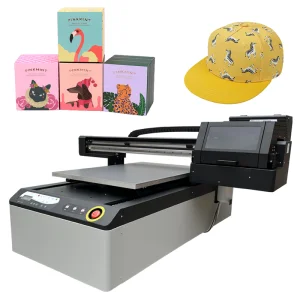
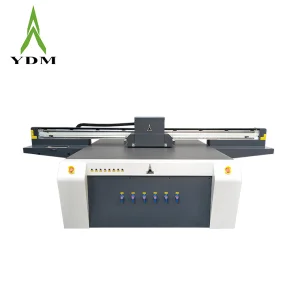
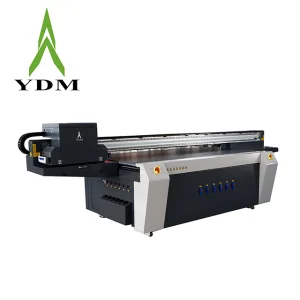
Driven by continuous research and customer-oriented service, Magly is expanding its global presence, offering reliable, efficient, and future-ready surface decoration solutions to partners worldwide. Through precise integration of industrial flatbed designs, multi-pass UV LED curing systems, and advanced mechanical positioning frameworks, they address the high-volume output demands of modern supply chains.
Why are global enterprises increasingly sourcing their industrial digital printing infrastructure from hubs like Foshan, China? The answer lies in the highly optimized industrial ecosystem. Unlike isolated manufacturing plants, Chinese hubs offer a fully integrated supply chain that encompasses raw steel frame fabrication, specialized electrical component sourcing, high-precision linear guide rail suppliers, and immediate access to advanced chemical ink formulators.
Immediate access to premium industrial components, printhead boards, and CNC structural parts reduces production lead times by up to 45% compared to Western counterparts.
Foshan's deep talent pool allows manufacturers to deploy advanced R&D teams specializing in micro-fluidic ink dynamics and complex color calibration profiles.
The cost-efficiency of rapid prototyping allows for frequent design iteration, ensuring new digital capabilities are commercialized and delivered at speed.
Understanding the localized applications is critical when mapping print technology to business models. Global procurement agents require hardware tailored to specific regional regulatory standards and target materials:
As digital surface decoration technologies evolve, key trends are redefining the competitive dynamics of factories worldwide. Keeping ahead of these technological waves is critical to avoiding rapid equipment obsolescence.
Global procurement departments must look beyond the initial purchase price. A reliable E-E-A-T procurement framework evaluates:
Epson XP600 printheads are highly cost-effective and deliver high-definition output, making them excellent for custom shops, start-up lines, and small-batch production. DX7 printheads offer solid durability and stability with medium drop volumes. Ricoh printheads (such as Gen5 or Gen6) and Kyocera industrial printheads are built with heavy-duty steel structures, enabling high-frequency continuous drop-on-demand firing, ideal for large factories running 24/7.
UV LED curing runs at significantly lower temperatures, preventing thermal deformation of thin vinyl, plastics, or delicate textiles. It is highly energy-efficient, starts up instantly without preheating, and has an operational lifespan of up to 20,000 hours—far exceeding the 1,000 to 2,000 hours of standard mercury lamps.
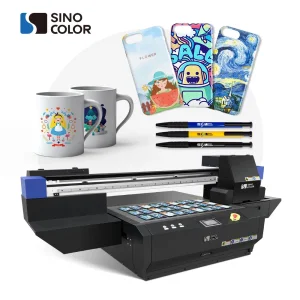
CCD camera positioning systems automatically capture the registration marks or physical contours of the substrate on the print bed. The RIP software then compensates for any misalignment, ensuring precise print matching on pre-cut objects like phone cases, precision metal plates, or wood panels.
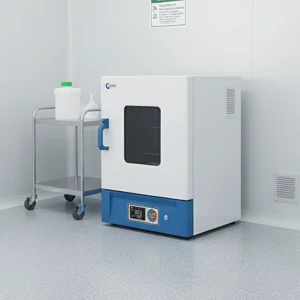
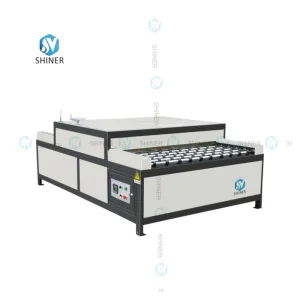
Printing on non-porous surfaces like glass or glazed ceramics requires chemical preparation. A specialized liquid primer (or bonding agent) must be applied to the substrate to create strong chemical anchors for the UV ink. Post-curing drying ovens or high-temperature heat presses are then used to lock the print matrix.
Yes. Modern UV digital flatbeds achieve tactile 3D embossed finishes by layering high-density white inks sequentially before applying the CMYK color coat and clear varnish. This technique is widely utilized in high-end ceramic wall tile decorative patterns, textured artwork replication, and braille signage.
 Magly Printer