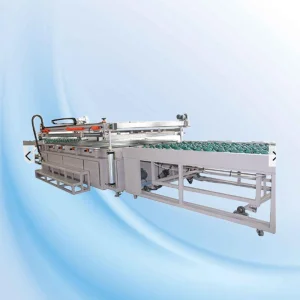
High-capacity printing systems for large-scale structural project deployments in the Asmara municipal zone and international export markets.
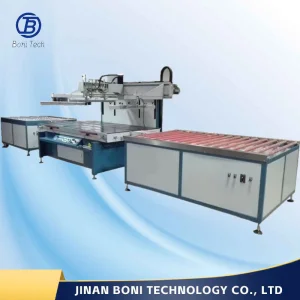

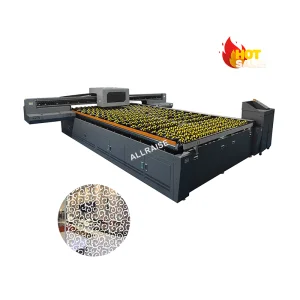
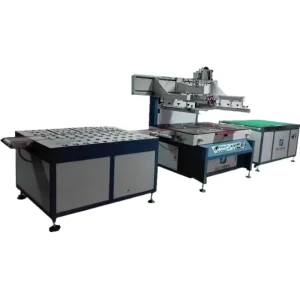
Eritrea is entering a crucial era of infrastructure revitalization and urban architectural evolution. The historic capital city of Asmara, globally celebrated for its modernist and modernist colonial architecture—which earned it designation as a UNESCO World Heritage Site—requires special preservation-grade materials for restoration. At the same time, modern developments in coastal hubs such as Massawa and port projects in Assab are generating strong demand for high-durability double-glazed panels, energy-efficient facades, and structural safety glass.
Local glass fabrication facilities in East Africa face demanding environmental conditions, including high thermal ranges in the highlands and saline, humid sea winds near the coastal zones. To survive these parameters, exterior glass panels must undergo high-temperature ceramic frit processing. Raw architectural glass elements must be accurately screen-printed using specialized machines and heated to 600–700°C, fusing inorganic pigments directly with the glass surface. This technique creates architectural glass that resists thermal stress, intense UV radiation, and atmospheric corrosion.
For industrial buyers, facade engineering companies, and glass suppliers in Eritrea, importing finished glass from distant countries increases operational costs and risks breakage. Establishing local, modern glass printing and tempering lines is the most cost-effective long-term solution. Foshan Magly Printer Co., Ltd. offers these buyers industrial-grade printing machines combined with specialized structural manufacturing lines to help develop local glass processing capabilities.
When designing an architectural glass printing facility, selecting the appropriate technical route is critical for maintaining efficiency and controlling production costs:
| Parameters | Automatic Screen Printing | Digital Ceramic Jetting | Application Scenario |
|---|---|---|---|
| Output Volume | Ultra-high speeds for repetitive runs | Moderate speeds, single prints allowed | Facade spandrels vs. custom art prints |
| Ink Thickness | 15–40 μm (high opacity, thick coating) | 3–12 μm (semi-translucent to opaque) | Sun shading dots, structural safety panels |
| Setup Cost | Requires screen mesh creation | Zero screen costs, files load digitally | Large commercial construction vs. customized projects |
| Durability | Fused with mineral enamels at high temps | Fused with ceramic ink during tempering | Both suitable for structural exterior walls |
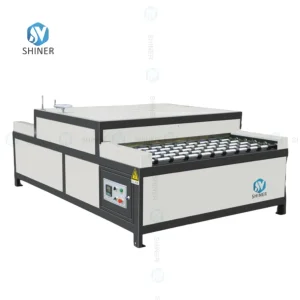
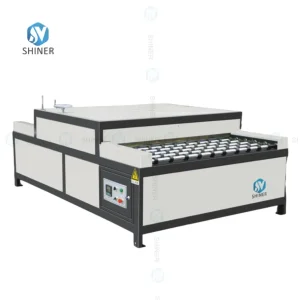
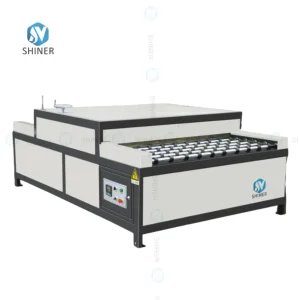
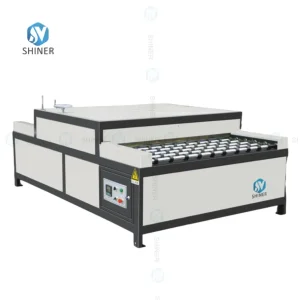
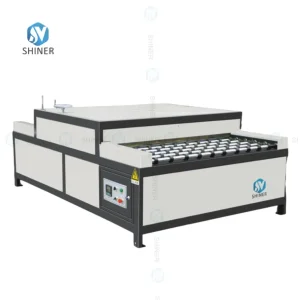
High-efficiency thermal press and laminating systems to produce energy-efficient double-glazed panels for building envelopes.
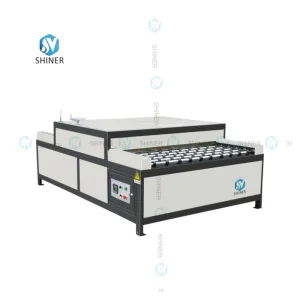
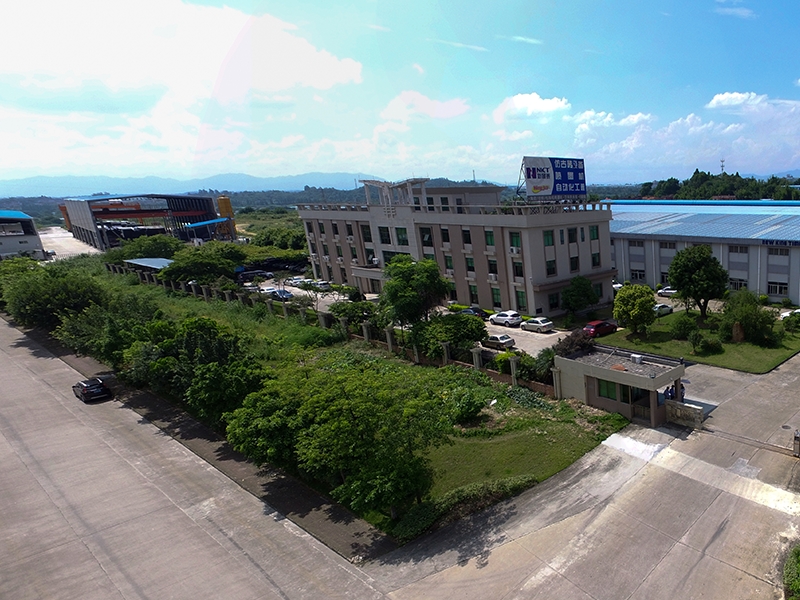
Foshan Magly Printer Co., Ltd. is a specialized manufacturer of industrial digital and screen printing systems, serving architectural glass, automotive glass, and advanced structural panels. Located in Foshan, China—a global cluster for construction materials and manufacturing technology—the company leverages local supply chains and technical engineering expertise to build robust equipment.
The company operates a modern facility spanning over 7,000 square meters and employs over 100 staff members. The workforce includes specialist structural designers, automation engineers, and foreign support teams. Our manufacturing processes utilize CNC machining to construct heavy, stress-relieved steel machine bases, preventing structural warping during years of high-volume printing.
Unlike standard screen printers, Magly's equipment features advanced multi-color alignment controls, industrial servo-motor drive systems, and programmable PLC controls. The system achieves registration tolerances within ±0.1mm, ensuring alignment even on large architectural glass panes measuring up to 2440 x 3660mm or larger.
By using mineral-based high-temperature ceramic inks, the printed designs fuse with the glass surface during the tempering phase. The resulting glass panels feature scratch resistance, acid and alkali resistance, and color retention suitable for heavy-duty commercial projects.
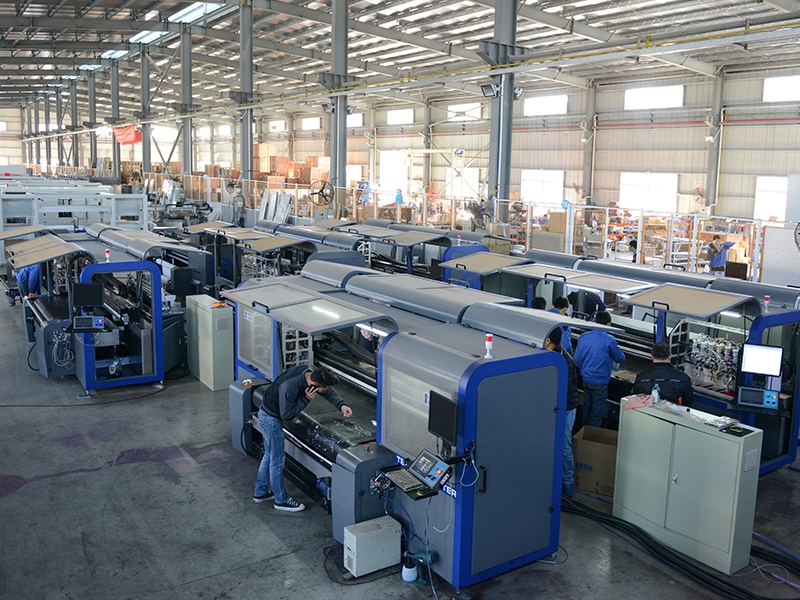
High-density squeegee assemblies and fine mechanical adjustments ensure consistent ink thickness across large panels, preventing optical variations.
Engineered with dust-resistant linear rails and anti-corrosive structural elements, extending uptime when processing heavy glass in warm climates.
Our screen printers utilize variable-frequency drive motors to minimize energy use, which is critical for factories operating with local grid limitations.
Exporting heavy glass processing machinery to Eritrea requires careful engineering adjustments to address local industrial operating environments:
Complete machinery range designed for high-precision architectural panels, automotive windscreens, and laminating projects.
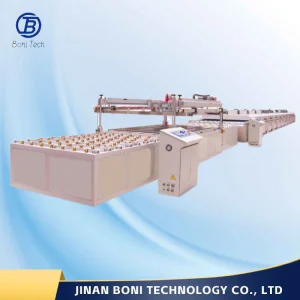
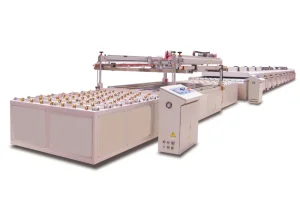
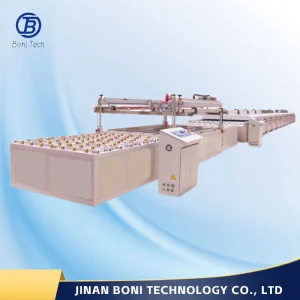


Detailed technical information on deploying, operating, and maintaining industrial glass printing lines in East Africa.
Leverage China's advanced manufacturing capabilities to install a reliable, high-precision glass processing line. Our engineering team will review your local building requirements and help configure a system tailored to your production goals.
 Magly Printer