Engineered for high-volume commercial glass processing and customized architectural decorations in Antwerp and global construction networks.
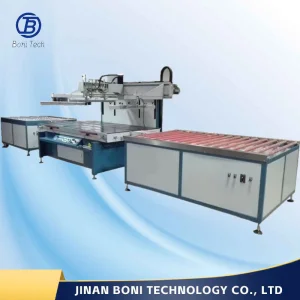
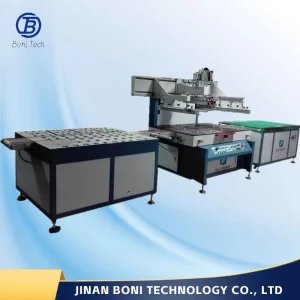
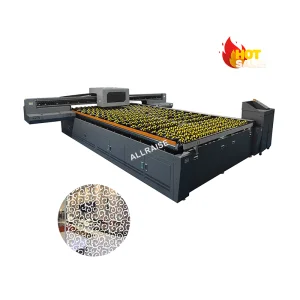
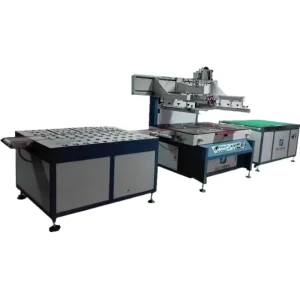
Antwerp, Belgium, holds a historic and modern status as a central pillar of European trade, design, and logistics. From the iconic Zaha Hadid-designed Port House to the historic restorations surrounding the Antwerp Central Station, the region demands state-of-the-art structural glazing solutions. The modern European architectural landscape mandates glass facades that meet rigorous thermal performance index standards, structural integrity, and aesthetic uniqueness.
As the demand for energy-efficient commercial properties, triple-glazed systems, and custom ceramic-fritted glass spikes across Belgium and Northern Europe, glass processors in Antwerp require machinery that operates at the highest levels of precision. High-temperature flatbed glass printing machines play an essential role, fusing ceramic inks to structural glass to ensure UV durability, solar shading, and weather resilience against severe North Sea coastal elements.
Foshan Magly Printer Co., Ltd., as a leading international industrial glass printing machinery developer, provides the Antwerp industrial sector with the direct mechanical and technological resources required to scale up operations. Our automated production lines bridge the gap between architectural vision and industrial output.
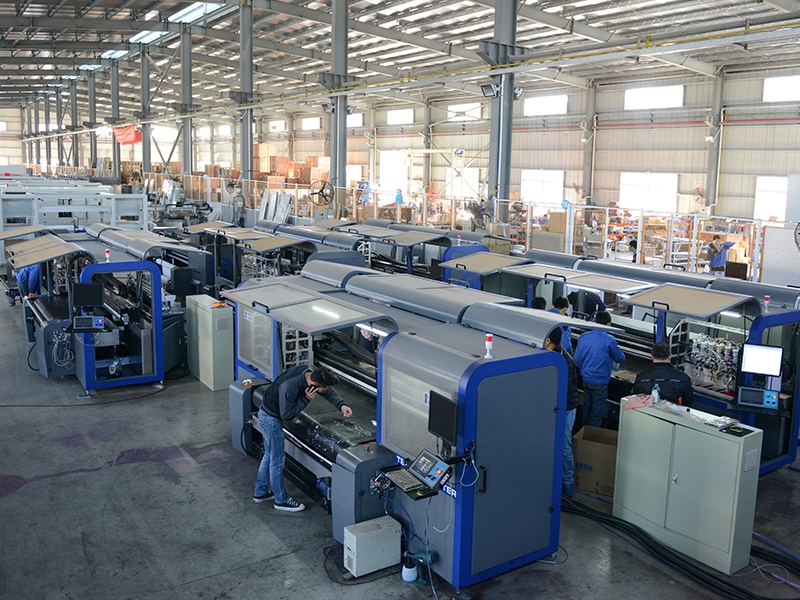
Expanding processing capabilities for double glazing thermal properties and high-precision glass engravings for modern Antwerp constructions.
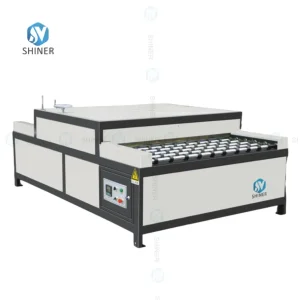
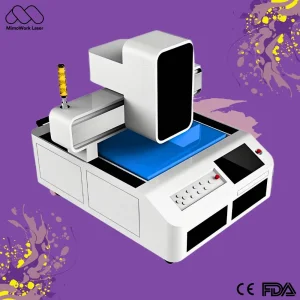
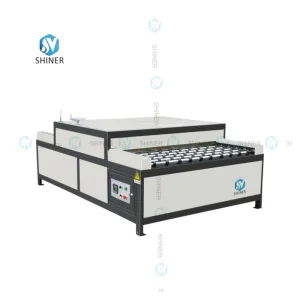
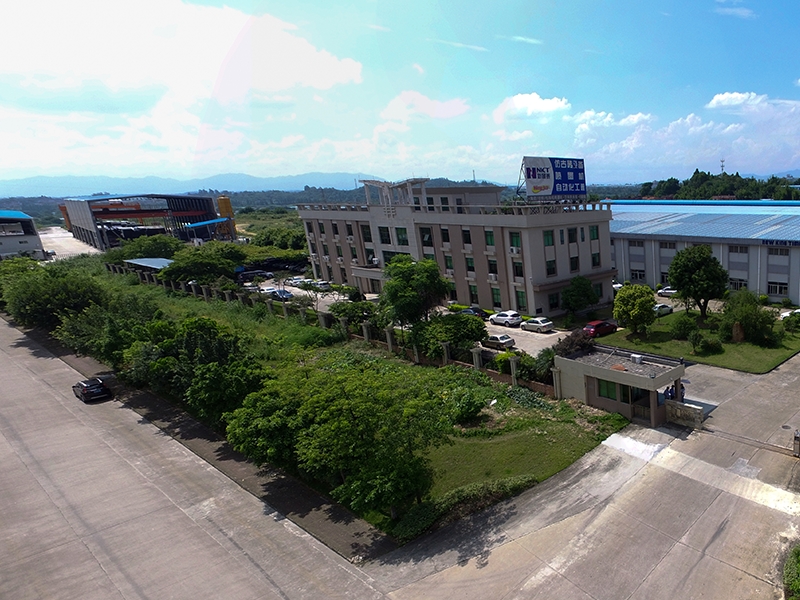
Foshan Magly Printer Co., Ltd., based in China's major manufacturing and machinery epicentre, utilizes local supply chain integration and direct material access. Our 7,000-square-meter facility hosts advanced assembly configurations, enabling structural engineers to implement high-speed servo motors, industrial-grade linear guide rails, and customized printhead arrays (Kyocera, Ricoh) at competitive manufacturing costs.
The Chinese Manufacturing Advantage:
By marrying industrial digital printing innovations with heavy-duty structural engineering, Magly provides Antwerp's local manufacturers with competitive operating costs, rapid return on investment (ROI), and reliable machinery uptime.
Industrial procurement teams in Europe demand strict adherence to machinery protocols. The primary concerns for glass processors buying from international manufacturers include:
All glass screen printing systems and double-glazing hot presses exported to Antwerp comply with EU Machinery Directive standards, low-voltage regulations, and electrical compatibility parameters. Safeguards like light-curtain sensors and emergency braking mechanisms are standard configuration.
Antwerp applications range from high-density double-glazed facades designed to reduce solar heat gain coefficient (SHGC) to structural interior balustrades, commercial storefronts, and decorative automotive panels. By utilizing industrial automatic glass printing machinery, local processors can fulfill orders for bespoke structural glass projects with short lead times, lowering dependency on multi-stage sub-contracting.
Complete assembly lines, automated silk-screen printers, hot roller presses, and tempering line auxiliaries.
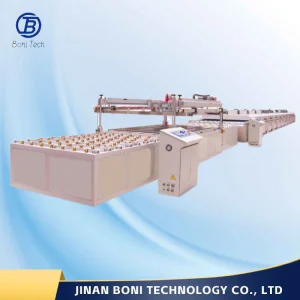
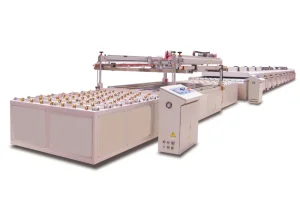
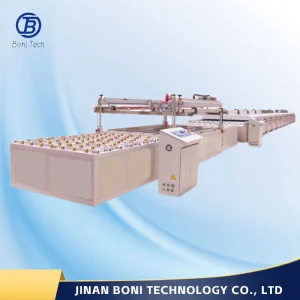
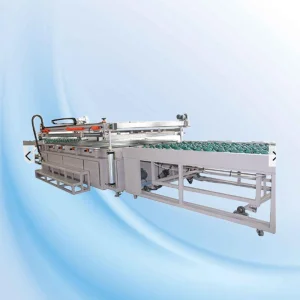
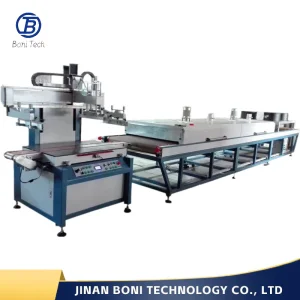
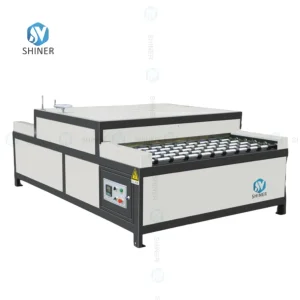
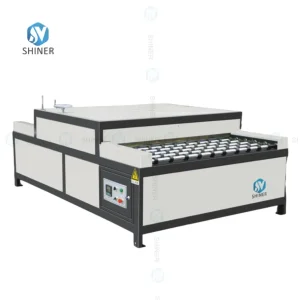
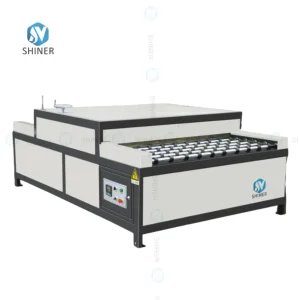
When selecting architectural glass printing machinery, facade engineers and glass processors must evaluate the lifecycle durability of the printed design. Traditional organic ink printing systems are prone to UV degradation, chemical peeling, and weathering when exposed to harsh outdoor parameters. This makes them unsuitable for external architectural facades in Antwerp, where rain, high humidity, and saline coastal air constantly test building envelopes.
Modern architectural specifications dictate the use of high-temperature ceramic inks. These inks consist of inorganic pigments and finely ground glass frits. Upon printing, the glass is processed through a tempering furnace at temperatures exceeding 600°C to 700°C. During this tempering cycle, the ceramic ink fuses directly into the glass substrate, forming a permanent, scratch-resistant layer that is impervious to acid rain, solar UV radiation, and mechanical abrasion.
Our catalog includes both automatic screen printing machines and capabilities for modern digital inkjet customization. While digital printing excels in high-mix, low-volume customized glass designs (such as complex murals, variable signage, and portrait reproductions), automatic glass screen printing machines remain the gold standard for high-volume architectural glass orders. For repetitive geometric configurations, stripe alignments, solid opacity zones, and solar-control frit patterns (which improve building energy-performance ratings), screen printing offers unmatched efficiency, speed, and ink deposit thickness control.
To support the modern energy-efficiency regulations of the EU, glass decoration must be integrated with high-quality assembly systems. The Nisen Double Glazing Hot Press Machines presented in our catalog are designed to compress double or triple glass units with spacer profiles. Ensuring proper mechanical adhesion, heat-press uniformity, and gas-fill stability is critical to reducing U-values in structural window installations, allowing local glass processors to deliver energy-compliant products to commercial construction developers.
Expert insights regarding technical operations, purchasing logistics, and equipment maintenance for glass processors in Antwerp.
 Magly Printer