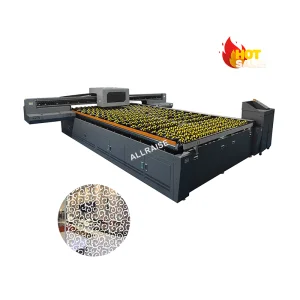
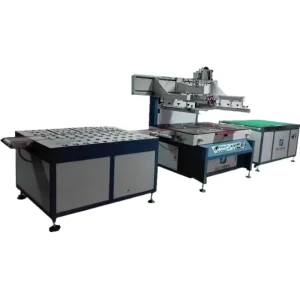
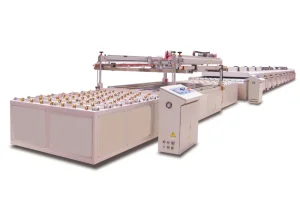
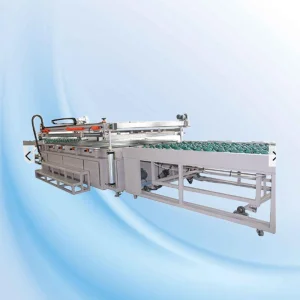
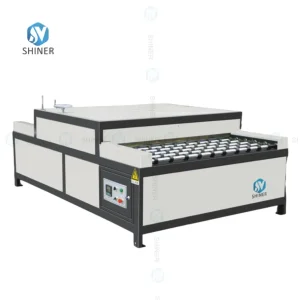
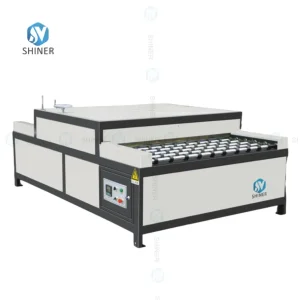
Pre-configured heavy-duty glass digital printing machinery optimized for robust climate resilience and high production throughput.
An in-depth analysis of structural glass demand, localization advantages, and micro-climatic manufacturing considerations within Mali.
The construction landscape in Mali, specifically centered around major urbanization nodes like Bamako, Sikasso, and Kayes, is undergoing a profound modern transformation. Rapid commercial real estate developments, high-end hospitality complexes, and institutional administrative projects are expanding the utilization of architectural structural glass. Historically, high-specification building materials—such as ceramic fritted facade panes, low-E energy-efficient double glazing, and custom interior glass features—were heavily imported from overseas. This dependence exposes local glass merchants and construction conglomerates to substantial logistics costs, transit breakage risks, and extended project lead times.
Establishing local modern glass processing and digital printing facilities within Mali represents a significant strategic leap forward. By moving from simple raw glass cutting to executing high-tech ceramic printing and advanced tempering on-site, local enterprises can significantly capture higher margins. This structural change requires robust machinery engineered to handle regional infrastructure characteristics, localized voltage variances, and the environmental considerations of the Sahel region.
Globally, the architectural flat glass processing sector is quickly moving away from mechanical silk-screen configurations toward multi-pass industrial digital inkjet systems. While classic automatic screen printing machinery maintains unmatched cost-efficiency for mass monochromatic continuous runs, high-definition digital ceramic inkjet printing satisfies contemporary demands for mixed architectural variations and low-volume production flexibility.
Industrial digital printing fuses specialized micro-fine ceramic fritted inks directly onto raw glass sheets. Subsequent high-temperature tempering cycles permanently melt the inorganic pigments right into the glass core. This structural bond generates intense UV stability, chemical resistance, and scratch performance, ensuring long-term durability when exposed to extreme external environments.
Operating precision heavy machinery within West Africa requires specific design choices. Equipment must be engineered to resist high ambient temperatures and prevent fine airborne sand particles from settling on the glass sheets before printing. Foshan Magly Printer Co., Ltd. addresses these operational challenges with custom structural enhancements:
Comprehensive overview comparing standard industrial glass production models optimized for structural architecture fabrication.
| Operational Parameter | Digital Inkjet Ceramic Fusion Series | Heavy-Duty Automated Screen Printing | Laser Engraving & Etching Systems |
|---|---|---|---|
| Optimal Application | Complex polychromatic facades, custom murals, variable serialization | High-volume monolithic runs, opaque solid spandrel panels | Sub-surface micro-etching, permanent frosted textures |
| Ink & Media Compatibility | Inorganic ceramic micro-pigment frit, UV curable digital fluids | High-viscosity enamel pastes, thermofluid medium pigments | Toolless thermal ablation (No consumables required) |
| Throughput Velocity | Variable depending on resolution (Up to 60 m²/hr) | High mechanical speeds (Up to 120 cycles/hr) | Precision dependent (Focused vector speed parameters) |
| Maintenance Protocol | Automated printhead purging and micro-filtering cycles | Manual screen washing, doctor blade adjustment checks | Optoelectronic calibration, routine lens dusting |
From reception of raw float glass sheets to final thermal curing and double-glazing structural preparation.
Raw float glass panes pass through an automated horizontal washing and drying system utilizing deionized water. Eliminating microscopic dust residues and surface oils is crucial to ensuring optimal chemical adhesion of the ceramic inks.
Automated visual registration systems align the glass sheet onto the printing bed. Depending on layout parameters, the machine prints complex patterns using digital inkjet printheads or an automated screen system, keeping color gradients clean and precise.
Immediately following ink deposition, inline UV pinning modules or medium-wave infrared heating elements temporarily stabilize the printed layer. This prevents the ink from running or smudging during transport to the tempering furnace.
The glass undergoes thermal processing inside a tempering furnace at temperatures exceeding 600°C. The inorganic ceramic pigments melt completely into the vitreous surface structure, producing an exceptionally durable, weather-resistant structural element.
For buildings requiring high thermal efficiency, processed glass layers are assembled using horizontal hot roller press machines. This structural configuration creates sealed, gas-filled double-glazing cavities that significantly minimize solar heat gain.
Foshan Magly Printer Co., Ltd. delivers industrial-grade digital printing systems built on advanced technology and a reliable supply chain.
Foshan Magly Printer Co., Ltd. is a professional Industrial Digital Printing Machine Manufacturer dedicated to delivering advanced ceramic and glass inkjet printing solutions as well as integrated surface decoration systems for modern manufacturing industries. Based in Foshan, a key hub for ceramics and industrial equipment in China, the company benefits from a strong supply chain and extensive industry expertise.
Magly operates a modern production facility covering over 7,000 square meters, supported by a skilled team of more than 100 employees, including experienced engineers, R&D specialists, and technical service professionals. The company focuses on developing high-precision digital printing machines that ensure excellent color performance, stable operation, and compatibility with a wide range of materials such as ceramic tiles, architectural glass, and decorative panels.
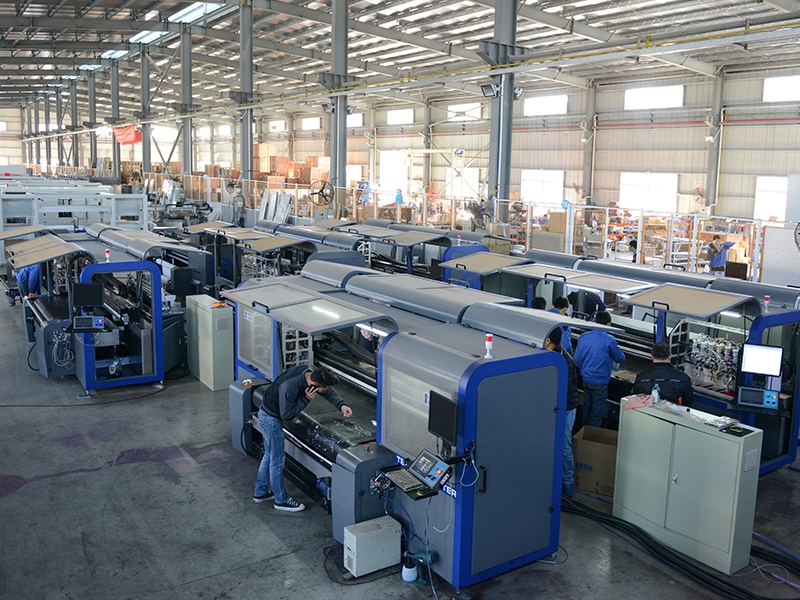
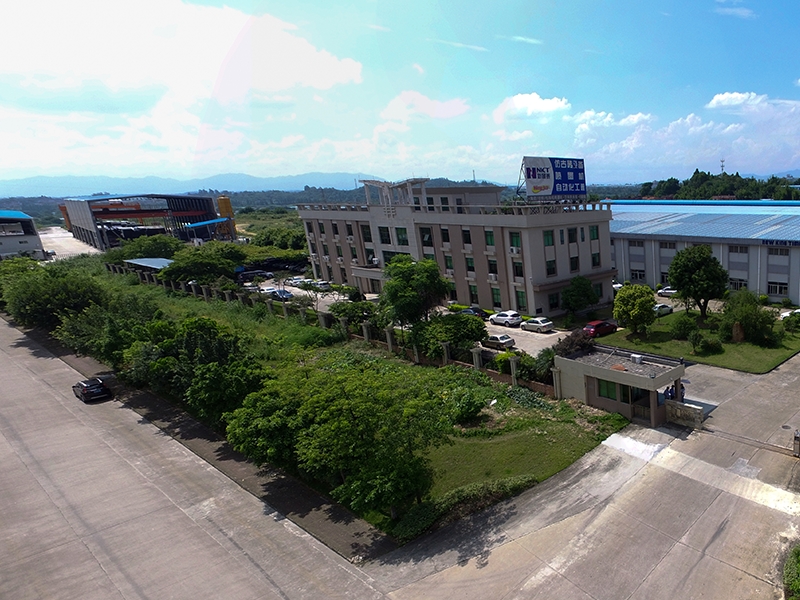
With a commitment to innovation and quality, Foshan Magly Printer Co., Ltd. integrates advanced inkjet technology with automated control systems to help customers improve production efficiency, reduce waste, and achieve flexible, customized designs. Its solutions are widely applied in building materials, interior decoration, and industrial manufacturing sectors. Driven by continuous research and customer-oriented service, Magly is expanding its global presence, offering reliable, efficient, and future-ready surface decoration solutions to partners worldwide.
Heavy-duty hardware array providing complete vertical production options for automated West African factories.
Addressing critical technical, infrastructural, and deployment questions for factory owners in Mali and across West Africa.
Ready to optimize your architectural glass production line?
Send Inquiry Now Magly Printer